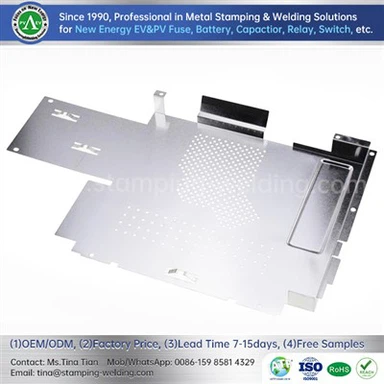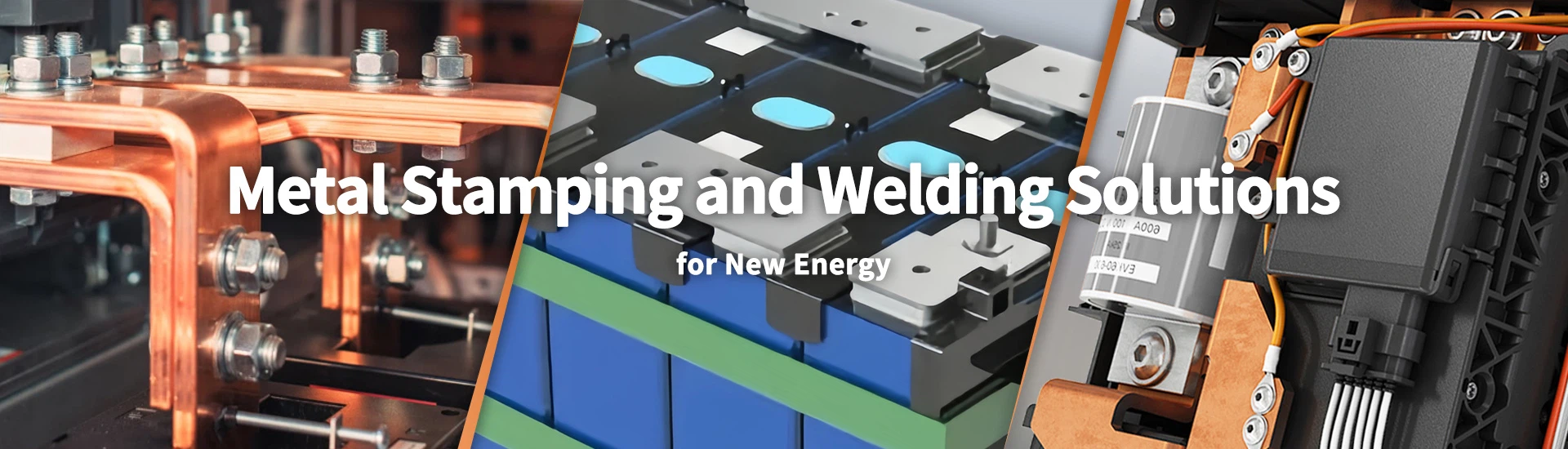
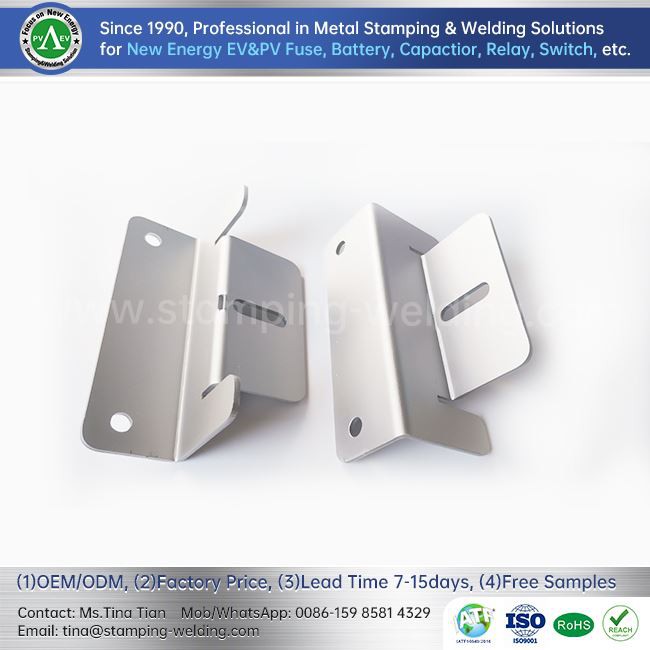


Aluminum Alloy Stamping Parts
Aluminum alloy stamping parts have emerged as highly sought-after components in modern manufacturing processes. Combining the lightweight properties of aluminum with the versatility of stamping technology, these parts offer numerous advantages for various industries. The parts are precision-engineered components fabricated by stamping technology using alloys. The stamping process involves shaping and forming flat sheets of aluminum alloy into desired shapes, sizes, and configurations. The resulting parts exhibit excellent strength-to-weight ratios, corrosion resistance, and dimensional precision.
- Fast Delievery
- Quality Assurance
- 24/7 Customer Service
Product Introduction
PRODUCT INTRODUCTION
Aluminum alloy stamping parts have emerged as highly sought-after components in modern manufacturing processes. Combining the lightweight properties of aluminum with the versatility of stamping technology, these parts offer numerous advantages for various industries.
The parts are precision-engineered components fabricated by stamping technology using alloys. The stamping process involves shaping and forming flat sheets of aluminum alloy into desired shapes, sizes, and configurations. The resulting parts exhibit excellent strength-to-weight ratios, corrosion resistance, and dimensional precision.

PRODUCT MATERIALS
Corrosion resistance: 5052 aluminum has outstanding resistance to corrosion, making it suitable for applications in marine environments, where it is exposed to saltwater and other corrosive elements. This property is due to the formation of a protective oxide layer on the surface of the metal when exposed to oxygen, which helps prevent further oxidation.
High strength: While not as strong as some of the heat-treatable aluminum alloys, 5052 still offers good strength for many applications. Its strength can be further improved through cold working, making it a versatile choice for various structural components.
Lightweight: Aluminum, in general, is much lighter than steel and other metals, making 5052 an attractive option for applications where weight reduction is crucial, such as in transportation and aerospace industries.
Formability: 5052 aluminum is highly formable, which means it can be easily shaped into various complex forms using processes like bending, deep drawing, and rolling. This makes it suitable for intricate designs and forming operations.

SURFACE TREATMENT
Enhanced corrosion resistance:
Anodizing forms a dense and hard oxide layer on the metal surface, which significantly improves its resistance to corrosion. This protective layer acts as a barrier against environmental elements, such as moisture and chemicals, preventing them from coming into direct contact with the underlying metal.
Increased surface hardness:
The anodized layer is much harder than the base metal, enhancing the overall hardness and wear resistance of the treated surface. This makes anodized parts more durable and capable of withstanding mechanical stress and abrasion.
Improved aesthetics:
Anodizing can produce a wide range of colors, allowing for decorative finishes. The oxide layer is porous, and by using various dyes during the anodizing process, different colors can be achieved. This makes anodizing an attractive choice for applications where aesthetics are important, such as architectural components and consumer products.
Electrical insulation:
The anodized layer is an excellent electrical insulator, making it useful in electrical and electronic applications where electrical conductivity needs to be minimized.

PRODUCT APPLICATIONS
Automotive: The parts are utilized in vehicle bodies, chassis components, heat shields, brackets, and interior trim due to their lightweight nature and structural integrity.
- Aerospace: These parts are crucial in aerospace applications, including aircraft panels, brackets, frames, and engine components, as they contribute to weight reduction without compromising strength and reliability.
- Electronics: The product is employed in the electronics industry for housing and enclosures of devices, heat sinks, and connectors, benefiting from both their lightweight properties and excellent thermal conductivity.
- Consumer Goods: They are used in the production of appliances, furniture, lighting fixtures, and other consumer goods, offering both aesthetic appeal and functionality.
- photovoltaic. Aluminum alloy stamping parts find various applications in the photovoltaic (PV) field, where solar energy is converted into electrical power using photovoltaic cells. Aluminum, as a material, is well-suited for the PV industry due to its lightweight, corrosion resistance, and excellent thermal conductivity. For example, solar photovoltaic bracket accessories are specific applications.

PRODUCT EQUIPMENT

CONTACT US

Hot Tags: aluminum alloy stamping parts, China, manufacturers, suppliers, factory