

Automotive Brass Stamped Parts
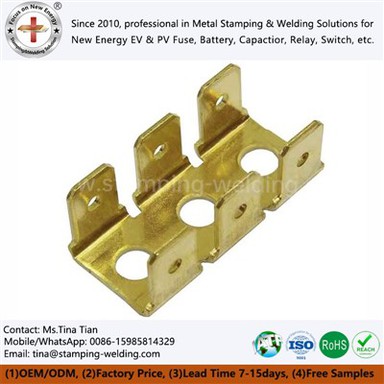
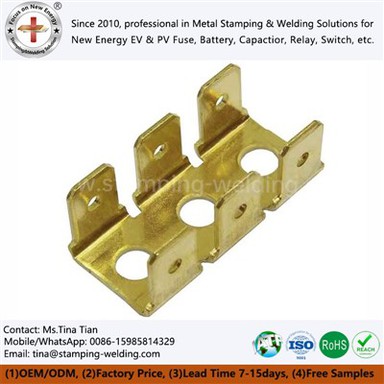
Automotive brass stamped parts are precision-engineered components made from brass alloy through the stamping process. These parts find essential applications within the automotive industry, serving various functions such as electrical connectors, terminals, and decorative elements. Due to their corrosion resistance, electrical conductivity, and malleability, brass-stamped parts ensure reliable performance and aesthetic appeal in automotive vehicles, contributing to their overall functionality and design.
- Fast Delievery
- Quality Assurance
- 24/7 Customer Service
Product Introduction
PRODUCT INTRODUCTION
Automotive brass stamped parts are precision-engineered components made from brass alloy through the stamping process. These parts find essential applications within the automotive industry, serving various functions such as electrical connectors, terminals, and decorative elements. Due to their corrosion resistance, electrical conductivity, and malleability, brass-stamped parts ensure reliable performance and aesthetic appeal in automotive vehicles, contributing to their overall functionality and design.

WORKING PRINCIPLE
--
Automotive metal brass stamped parts operate on the fundamental principle of metal stamping. This process involves shaping and forming brass sheets through the application of force using a die and a punch. Initially, a flat brass sheet is placed between the die and punch, and then pressure is applied to deform the metal into the desired shape. This can include cutting, bending, and forming the brass to create intricate and precise components, such as connectors, brackets, or decorative elements. The high malleability of brass allows it to be easily manipulated during stamping, resulting in parts that meet strict tolerances and specifications required for automotive applications. After stamping, these components may undergo additional processes like plating or coating to enhance their properties and appearance, making them crucial for various automotive functions.
FUNCTIONS
--
| Function | Description |
|---|---|
| 1. Structural Support | Enhance the strength and integrity of automotive components, ensuring safety and reliability. Examples: chassis brackets, and mounting plates. |
| 2. Electrical Connectivity | Provide efficient electrical conductivity, serving as connectors and terminals in various electrical systems. Examples: battery terminals, and fuse holders. |
| 3. Fastening and Joining | Secure and organize components, acting as clips, clamps, or brackets for items like wiring harnesses and panels. |
| 4. Heat Dissipation | Efficiently dissipate heat generated by components like engines, transmissions, and exhaust systems to prevent overheating. |
| 5. Noise and Vibration Control | Minimize excess vibration and noise, enhancing vehicle comfort and durability. Examples: isolators, and sound-absorbing brackets. |
| 6. Fluid Management | Facilitate fluid flow and containment in systems such as fuel delivery, brake systems, and coolant circuits. Examples: connectors, fittings. |
| 7. Aesthetic Elements | Serve decorative purposes, adding visual appeal to the vehicle in the form of trim, emblems, and ornamental detailing. |
| 8. Corrosion Resistance | Provide long-term durability, particularly in exterior components exposed to the elements, due to natural corrosion resistance. |
| 9. Weight Reduction | Contribute to vehicle weight reduction efforts, improving fuel efficiency and handling characteristics due to brass's lightweight properties. |
| 10. Customization | Enable customization to meet specific design requirements, ensuring precise fit and optimal functionality within the vehicle. |

APPLICATIONS
--
| Application | Description |
|---|---|
| 1. Engine Components | Used in various engine parts, including valve guides, valve seats, and camshaft components, due to their heat resistance and durability. |
| 2. Electrical Systems | Essential for electrical connectivity, found in battery terminals, connectors, and grounding points to ensure a reliable flow of electricity. |
| 3. Suspension Systems | Employed in suspension components like bushings and brackets, providing structural support and vibration dampening for a smoother ride. |
| 4. Fuel Delivery Systems | Utilized in fuel injector components, fuel lines, and connectors, ensuring proper fuel flow and system integrity. |
| 5. Brake Systems | Incorporated in brake caliper components and connectors, contributing to braking performance and safety. |
| 6. Exhaust Systems | Used in exhaust hangers and brackets to support and secure exhaust components while withstanding high temperatures and corrosion. |
| 7. Cooling Systems | Found in radiator brackets and connectors to help manage coolant flow and maintain optimal engine temperature. |
| 8. Interior Trim | Serve as decorative elements in the interior, including knobs, emblems, and ornamental detailing to enhance aesthetics. |
| 9. Exterior Trim | Used for exterior embellishments such as badges, grilles, and trim pieces to improve the vehicle's appearance. |
| 10. Fluid Management | Play a role in fluid systems like transmission lines, ensuring the proper flow and containment of fluids. |

PACKAGING AND TRANSPORTATION
--
Packaging and transporting automotive brass stamped parts is a meticulous process essential for ensuring the quality and integrity of these critical components. To begin, each stamped part is carefully inspected for quality control, ensuring it meets the required specifications. Once approved, they are meticulously packaged to prevent damage during transit. Typically, automotive brass stamped parts are individually wrapped or protected with foam inserts to safeguard their surfaces and intricate designs. Then, they are organized into batches, with specific attention paid to labeling and documentation for easy identification and tracking. Finally, these packaged parts are loaded into sturdy, custom-designed containers or crates to minimize movement and vibration during transportation. Whether they're destined for assembly lines or aftermarket distribution, the packaging and transportation of products prioritize precision and protection to guarantee their functionality and appearance upon arrival at their intended destination.

FAQ
--
Q1: DO YOU TEST ALL YOUR GOODS BEFORE DELIVERY?
A1: Yes, we have 100% test before delivery.
Q2: DO YOU ACCEPT OEM?
A2: Yes. All sizes can be customized. The logo can be made as per your request.
Q3: WHAT IS YOUR TERMS OF PAYMENT?
A3: Usually, we accept T/T, irrevocable L/C at sight, for regular orders, we prefer 30% in advance,70% against the copy of B/L.
Q4: CAN YOU PROVIDE SAMPLES?
A4: Yes, but the sample fee and freight will be paid by your company.
Q5:WHAT'S YOUR DELIVERY TIME?
A5: About 5-7 days for samples,15-20 days for mass production.
Q6: HOW TO ARRANGE DELIVERY?
A6:If you have a forwarder in China, we can send you the goods by your forwarder.
If you have no forwarder in China, we arrange the delivery directly from the factory by international express, by air, and by sea, it's up to you.
Q7:HOW TO OBTAIN A QUOTE?
A7:Product prices fluctuate with fluctuations in raw materials and exchange rates. You can contact us with your requirements and we will provide you with the latest quotation as soon as possible.
OUR CUSTOMERS
--

CONTACT US
Connect the future and build brilliance together - we sincerely invite you to join hands with us!

Automotive brass stamped parts are made from high-conductivity brass and manufactured using precision stamping processes. They are widely used in electrical connections, sensor brackets, and other applications, enhancing vehicle performance and reliability.
Hot Tags: automotive brass stamped parts, China, manufacturers, suppliers, factory