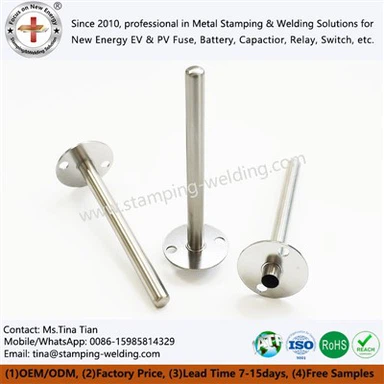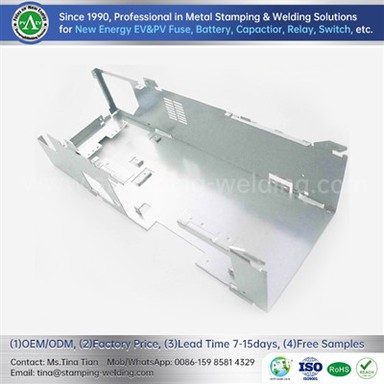


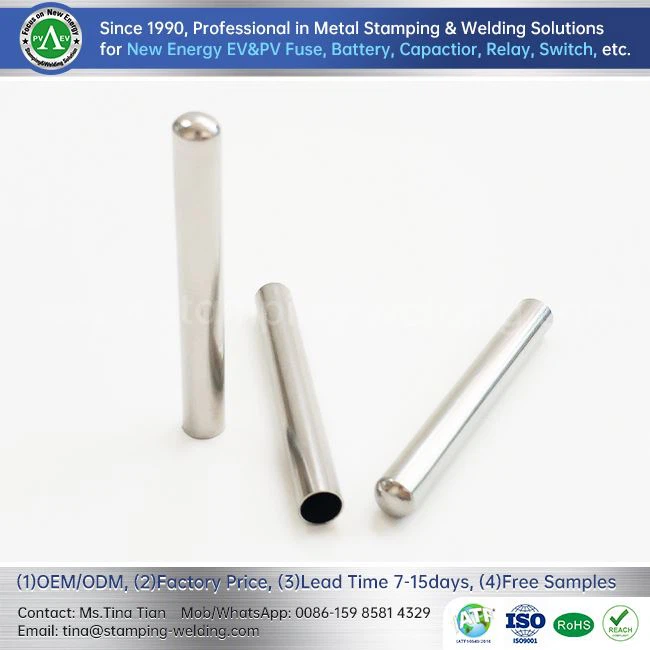


Casing Tube For Steering Angle Sensor
The Casing Tube for Steering Angle Sensor is a component that encloses and protects the steering angle sensor, ensuring accurate and reliable measurement of the vehicle's steering angle.
- Fast Delievery
- Quality Assurance
- 24/7 Customer Service
Product Introduction
PRODUCT INTRODUCTION
The Casing Tube for Steering Angle Sensor is a component that encloses and protects the steering angle sensor, ensuring accurate and reliable measurement of the vehicle's steering angle.

PRODUCT APPLICATIONS
——
- Enclosure and Protection: The Casing Tube For Steering Angle Sensor provides a protective cover for the steering angle sensor, safeguarding it from external factors such as dust, debris, and water splashes.
- Accurate Measurement: By protecting the steering angle sensor, the casing tube ensures that the sensor's measurements are not compromised by external interferences, thus providing accurate and reliable data about the vehicle's steering angle.
- Durability and Longevity: The casing tube is designed to withstand harsh environments and conditions, ensuring that the steering angle sensor remains functional and durable over time.
- Easy Installation: The casing tube is typically designed with a straightforward installation process, making it easy to integrate into existing automotive systems.
- Compatibility: The casing tube is typically compatible with a wide range of vehicles and steering angle sensors, making it a versatile and widely applicable component.

PROCESSING TECHNOLOGY
——
- Material Selection: The Casing Tube For Steering Angle Sensor is typically made from high-quality materials such as metal or plastic, depending on the specific requirements of the application. The material is chosen based on factors such as strength, durability, and resistance to corrosion or other environmental factors.
- Tubing Extrusion: The casing tube is typically extruded using a specialized machine that forces the material through a die to form the desired shape and size. This process ensures that the tube has consistent dimensions and wall thickness.
- Cutting and Forming: Once the tubing is extruded, it is cut to the desired length and may be formed or bent to fit the specific application. This process is typically done using automated machines that can precisely control the cutting and forming process.
- Finishing: The casing tube may undergo additional finishing processes such as deburring, sanding, or polishing to ensure a smooth surface finish and to remove any rough edges or burrs that may have formed during the cutting or forming process.
- Quality Control: Finally, the casing tube undergoes rigorous quality control checks to ensure that it meets all specifications and performance requirements. This may involve measuring the dimensions of the tube, testing its strength and durability, and inspecting its surface finish.
PRODUCT INSPECTION
——
- Dimensional Inspection: The casing tube is inspected to ensure that it meets all dimensional specifications, including length, diameter, and wall thickness. This is typically done using precision measuring tools such as micrometers or calipers.
- Surface Finish Inspection: The surface finish of the casing tube is inspected to ensure that it is smooth, even, and free from any defects such as scratches, dents, or burrs. This may be done using visual inspection or by feel.
- Material Inspection: The material used to manufacture the casing tube is inspected to ensure that it meets all specifications, including strength, durability, and resistance to corrosion or other environmental factors. This may involve testing the material's properties using specialized equipment.
- Leak Test: The casing tube may undergo a leak test to ensure that it is properly sealed and does not allow any fluids or gases to pass through. This may involve filling the tube with a liquid or gas and monitoring for any leaks.
- Functional Test: The casing tube may also undergo a functional test to ensure that it can perform its intended function in the application. This may involve installing the tube in a test rig and subjecting it to simulated operating conditions.
OUR ADVANTAGES
——
We have more than 18 years of metal stamping experience and 7 years of various welding technology experience. We have established business relationships with China's top 10 Fuse manufacturers, such as CHINA Bussmann, Sinofuse, Chnbel, etc. And completely imported top MIYACHI welding equipment, such as laser welding, resistance welding, brazing, micro-arc welding,sub-arc welding, TIG welding, and other welding processes; provide customers with different welding services and process validation.
OUR CUSTOMERS
——

CONTACT US

Hot Tags: casing tube for steering angle sensor, China, manufacturers, suppliers, factory