

Aluminum Battery Housing
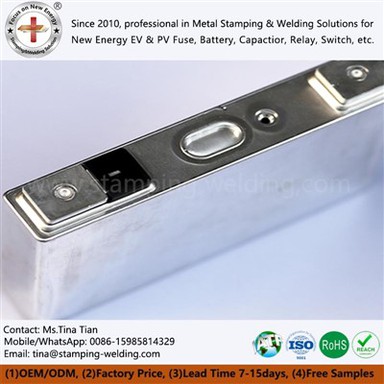
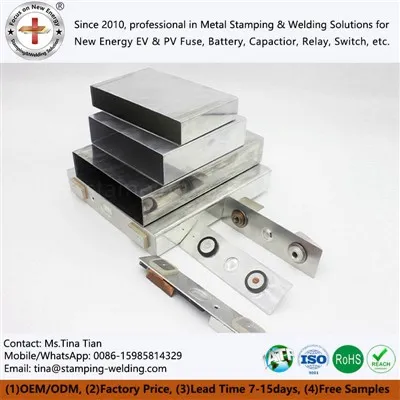
Aluminum Battery Housing is a battery shell made of aluminum alloy material. It is mainly used in square lithium-ion batteries. The reason why lithium-ion batteries are packaged in aluminum shells is that it is lightweight and safer than steel shells.
- Fast Delievery
- Quality Assurance
- 24/7 Customer Service
Product Introduction
Products Description
The aluminum shell alloy material structure has significant safety performance considerations. This safety performance can be expressed by the material thickness and bulging coefficient. The reason why lithium batteries with the same capacity are lighter than those with steel cases is because the aluminum cases can be made thinner.

Advantage
- Lightweight Design: Aluminum is a relatively lightweight material, which is crucial for applications where reducing overall weight is essential, such as electric vehicles, to enhance energy efficiency and portability.
- Excellent Thermal Conductivity: Aluminum has excellent thermal conductivity, facilitating the efficient dissipation of heat generated within the battery. This is essential for preventing overheating, prolonging battery life, and ensuring safety.
- Corrosion Resistance: Aluminum exhibits strong corrosion resistance, making it suitable for long-term use in harsh environments without being affected by corrosion. This characteristic helps protect the battery from external moisture, acids, and alkalis.
- High Strength-to-Weight Ratio: Aluminum offers a high strength-to-weight ratio, providing sturdy and relatively lightweight stamped parts. This is beneficial in applications where weight reduction is important without compromising strength.
- Ease of Machining: Aluminum alloys are easy to machine, allowing for precision stamping and the creation of intricate designs with tight tolerances.
- Customizability: Stamped parts crafted from aluminum can be customized to meet specific size, shape, and design requirements, providing flexibility for various industrial needs.
- Recyclability: Aluminum is recyclable, aligning with sustainability goals and environmental considerations. It can be reused and repurposed, reducing waste and resource consumption.
- Aesthetic Appeal: Aluminum can be surface-treated, such as through anodizing or coating, to enhance the appearance and texture of stamped parts, improving the overall aesthetics of the product.
- Electrical Conductivity: Aluminum has good electrical conductivity, which assists in the transmission and distribution of current within the battery, contributing to battery performance.
product components
- Shell main body: The main body of the shell is the overall structure used to fix and protect the prismatic lithium battery. It is usually made of corrosion-resistant, high-temperature-resistant materials, such as metals (e.g. aluminum, and stainless steel) or engineering plastics. The shape and size of the housing body are adapted to the size and shape of the square lithium battery, ensuring that the battery can be firmly installed in the housing.
- Safety Valve System: This is a critical component of the enclosure that monitors and regulates the air pressure inside the battery. The safety valve can sense the abnormal air pressure generated inside the battery. Once the air pressure rises to a dangerous level, the safety valve will automatically open to release the pressure to prevent dangerous situations such as battery expansion and explosion.
- Seals and Gaskets: The seals and gaskets of the case are used to ensure the sealing performance of the case, prevent foreign matter from entering the inside of the case, and also help prevent the leakage of gas inside the battery.
- Connecting parts and fixing parts: Used to connect various parts of the shell, such as screws, nuts, buckles, etc. Connectors and fixings ensure the stability and integrity of the housing and prevent the housing from loosening or separating.
- Openings and connectors: There may be openings and connectors on the housing for battery connectors, cables, etc. These openings and ports facilitate the connection and routing of the battery pack.
- Accessories and accessories: Depending on specific needs, the enclosure may be equipped with accessories and accessories such as connectors, heat sinks, sensors, etc. to enhance the functionality and performance of the enclosure.

Industry prospects
The electric vehicle (EV) industry is experiencing rapid growth and is expected to continue expanding in the coming years. Several key factors contribute to the positive industry outlook:
Environmental Concerns: Increasing awareness of environmental issues, such as air pollution and climate change, is driving a shift towards cleaner transportation options. Electric vehicles, powered by batteries, are considered a more environmentally friendly alternative to traditional internal combustion engine vehicles.
Government Incentives: Many governments worldwide are offering incentives and subsidies to promote the adoption of electric vehicles. These incentives include tax credits, rebates, and exemptions from emissions-related fees. Such policies encourage consumers and businesses to invest in EVs.
Advancements in Battery Technology: Ongoing advancements in battery technology are leading to improvements in EV range, charging speed, and affordability. As battery costs continue to decline, electric vehicles become more accessible to a broader range of consumers.
Expanding Charging Infrastructure: The development of an extensive and convenient charging infrastructure is crucial for the widespread adoption of electric vehicles. Governments and private companies are investing in building more charging stations, making EVs more practical for daily use.
Automaker Commitment: Major automotive manufacturers are heavily investing in electric vehicle production. Companies like Tesla, Volkswagen, General Motors, and others are expanding their EV lineups, offering a wider range of electric models to consumers.
Consumer Demand: As EVs become more affordable and practical, consumer demand is increasing. Many people are choosing electric vehicles for their lower operating costs, reduced environmental impact, and advanced technology features.
Technological Innovation: Electric vehicles are benefiting from technological innovations in autonomous driving, connectivity, and energy efficiency. These innovations are enhancing the overall appeal of electric cars.
Sustainability Goals: Many businesses are setting sustainability goals, which include transitioning their fleets to electric vehicles. This trend is particularly evident in the commercial and delivery sectors, further driving the demand for EVs.
Global Commitment: International agreements and commitments to reduce greenhouse gas emissions, such as the Paris Agreement, are motivating countries and organizations to accelerate the adoption of electric vehicles.
Overall, the electric vehicle industry is poised for significant growth, with increasing consumer interest, supportive government policies, technological advancements, and a growing commitment to sustainability. These factors collectively indicate a positive outlook for the EV industry in the years to come.
production workshop

Partners
We cooperate with many large enterprises, including some world-renowned automobile manufacturers, such as Mercedes-Benz, Tesla, Audi, Honda, etc. The selection of these partners fully reflects our reputation and professional knowledge in the industry.

contact us
Starting from 2010, our expertise has been focused on delivering specialized solutions in stamping and welding for a range of applications, including electric vehicle busbars and laminated busbars, contacts and caps for electric vehicles and photovoltaic systems, aluminum shells for power batteries, as well as steel and aluminum cans for power capacitors.

Hot Tags: aluminum battery housing, China, manufacturers, suppliers, factory