

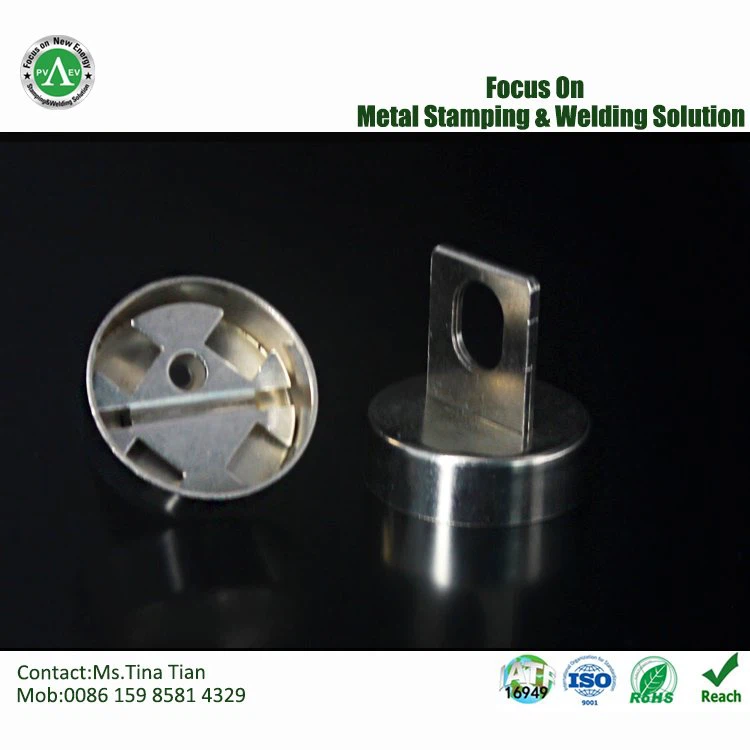
Hr17 Series 160A, 250A, 400A, 630A 3p Fuse Switch Disconnector
Model Number:ASWT-F295
Material:Copper
Application:EV/PV/NH Fuse link
MOQ:1000pcs
Product Introduction
With high quality NH Fuse Knife, Upper And Lower Sockets For Fuse, Outer Cap For New Energy Electric Vehicle Fuse as the root and technological innovation as the driving force, we have come out with a unique path of development and growth. We have a perfect production management system and quality management system, and our products have complete specifications and a wide variety. Based on the introduction of foreign advanced product technology and manufacturing technology, the company focuses on digestion and absorption, and actively advocates independent innovation. We will always follow the quality policy of being responsible for every process, every product and every user, and serve users wholeheartedly. We understand, treat and care for our employees, making them feel that they have the greatest respect for their work in the company, so as to retain talents.

Fuse terminal contacts are essential components in fuse assemblies, providing electrical connections between the fuse element and external circuitry. They are typically constructed using copper or copper alloys due to their excellent electrical conductivity and thermal properties.
Our fuse terminal contacts are ni-plating, which also known as nickel plating, is a common surface treatment method used for fuse terminal contacts. It involves depositing a layer of nickel onto the surface of the contacts through an electroplating process. The purpose of Ni-plating is to provide various benefits and enhance the performance and durability of the contacts. Ni-plating offers several advantages for fuse terminal contacts:
1. Corrosion Resistance: Nickel is highly resistant to corrosion, making Ni-plated fuse terminal contacts more durable and suitable for applications in harsh environments. The nickel layer acts as a protective barrier, preventing the underlying copper material from coming into direct contact with corrosive agents.
2. Improved Wear Resistance: Fuse terminal contacts that undergo Ni-plating exhibit enhanced wear resistance. The nickel coating provides a hard and smooth surface, reducing friction and preventing wear during contact mating and separation. This prolongs the lifespan of the contacts and ensures reliable electrical connections over an extended period.
3. Solderability: Ni-plating improves the solderability of fuse terminal contacts. The nickel layer acts as a compatible surface for solder bonding, allowing for reliable and efficient soldering during assembly processes. It enhances the wetting properties of solder, ensuring proper adhesion between the contacts and other components.
4. Enhanced Electrical Conductivity: While nickel itself is not as conductive as copper, the thin layer of Ni-plating applied to fuse terminal contacts does not significantly impact electrical conductivity. The nickel layer is typically thin and does not introduce significant resistance or impedance to the current flow.
5. Aesthetic Appeal: Ni-plating can provide an aesthetically pleasing finish to fuse terminal contacts. The bright and lustrous appearance of nickel enhances the visual appeal of the contacts, especially in applications where the contacts are visible or accessible.
Ni-plating is a valuable surface treatment for fuse terminal contacts, offering corrosion resistance, improved wear resistance, solderability, and an attractive finish. These benefits contribute to the overall performance, durability, and reliability of the contacts in various electrical and electronic applications.

Fuse terminal contacts find applications in various industries where electrical protection is crucial. They are commonly used in automotive, industrial, and electronic applications. In automotive applications, fuse terminal contacts are employed in vehicle fuse boxes to protect electrical circuits from overcurrent conditions. In industrial settings, they are utilized in power distribution systems and control panels to safeguard equipment and machinery. Electronic devices, such as computers and appliances, also incorporate fuse terminal contacts for circuit protection.
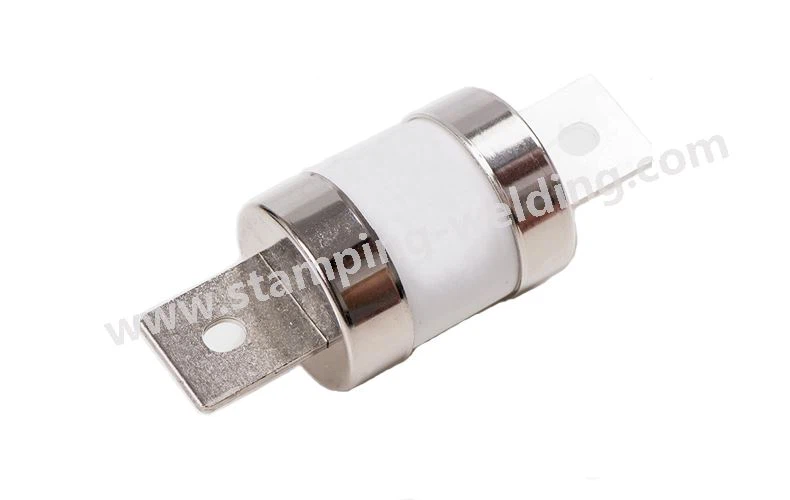
Copper, a widely used raw material for fuse terminal contacts, possesses exceptional electrical conductivity, making it an ideal choice for conducting electrical current. It allows for efficient current flow while minimizing resistive losses. Copper also exhibits excellent thermal conductivity, aiding in heat dissipation during fuse operation.
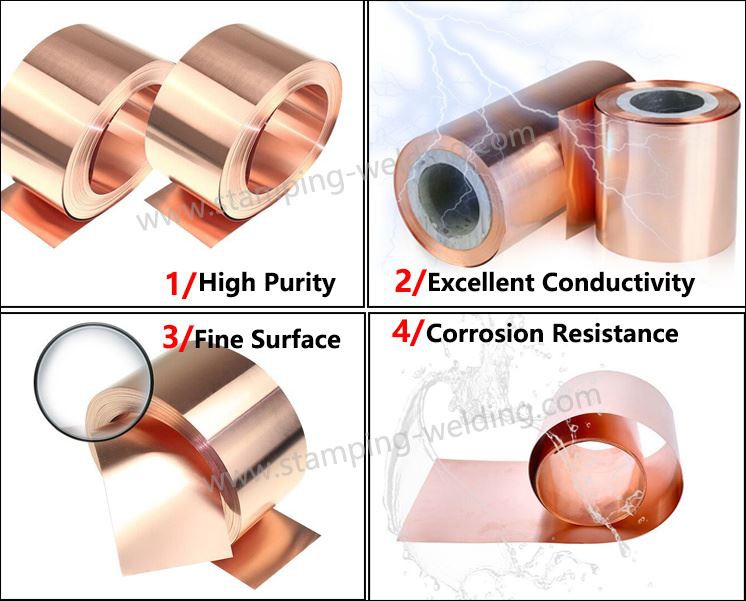
The manufacturing process of fuse terminal contacts often involves stamping, a common method for shaping and forming metal components. Stamping allows for high precision and consistency in producing fuse contacts. It involves feeding a sheet of copper into a stamping press, which uses a die to cut and shape the metal into the desired contact design. The stamping process ensures uniformity and accuracy, enabling reliable electrical connections.
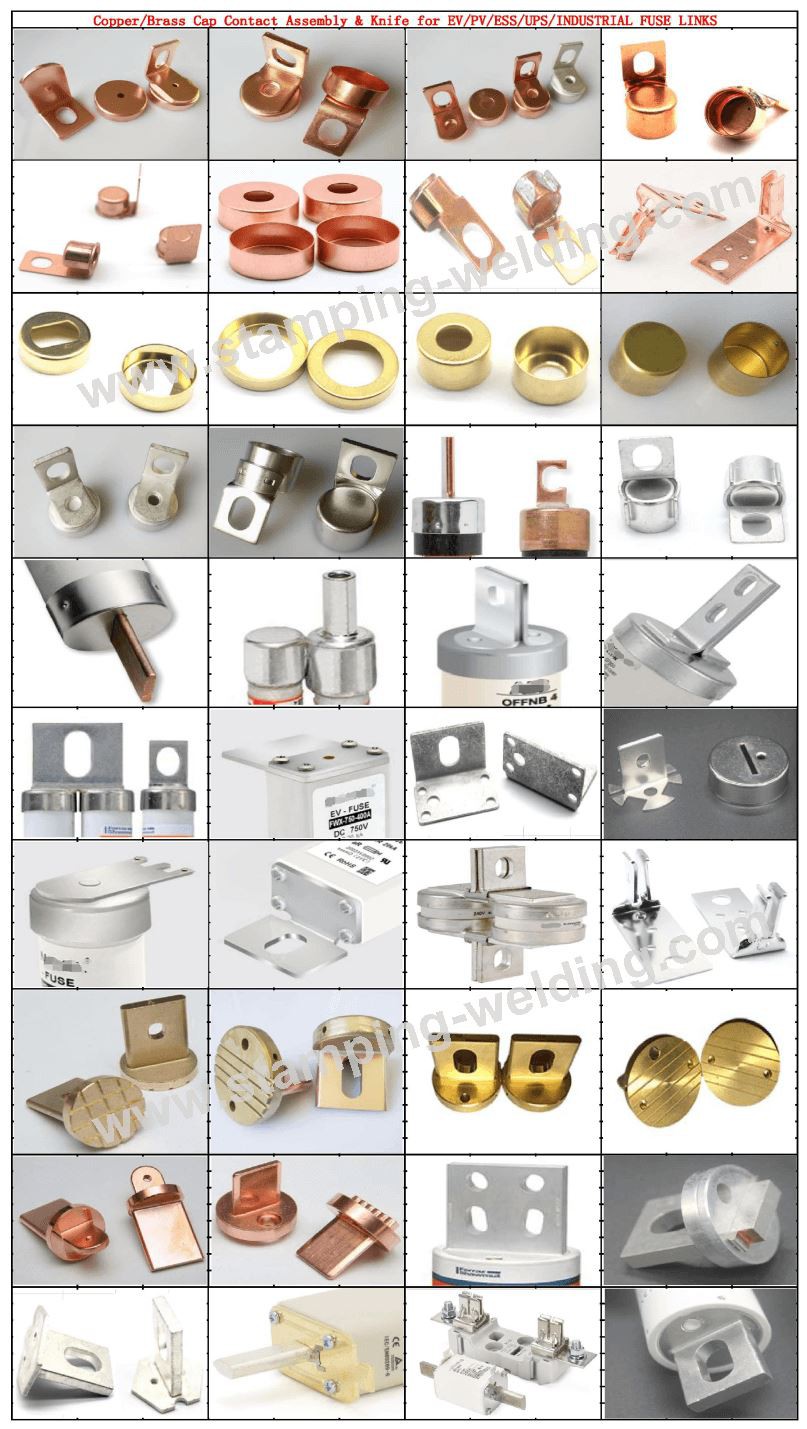


We are gradually becoming a comprehensive and international modern enterprise, continuing to maintain and consolidate our dominant position and growth strength in the Hr17 Series 160A, 250A, 400A, 630A 3p Fuse Switch Disconnector industry. We have a good reputation for stable quality products, well received by customers at home and abroad. Welcome to check out our company.
Hot Tags: fuse terminal contact, China, manufacturers, suppliers, factory, Caps For Fuse Holders, Clip For Fuse Holders, Fusible Link Outer End Cap And Terminal, Fuse Cap, Fuse Terminal Contact, Fuse Copper T2Y2 Bases
[[ProKeywords]]You Might Also Like
-

Micro Welding Systems-Precision Bench
-

High Current Electrical Contact Point for Train
-

Factory Wholesale Direct Sale Car Auto Fuse Box Asse...
-

OEM 4140/4130 Steel Alloy CNC Mechanical Parts End Cap
-

Utl Online Shopping Fuse Type Wiring Male and Female...
-

Hpr260 Plasma Cutting Torch Consumables Ew220760 Noz...