

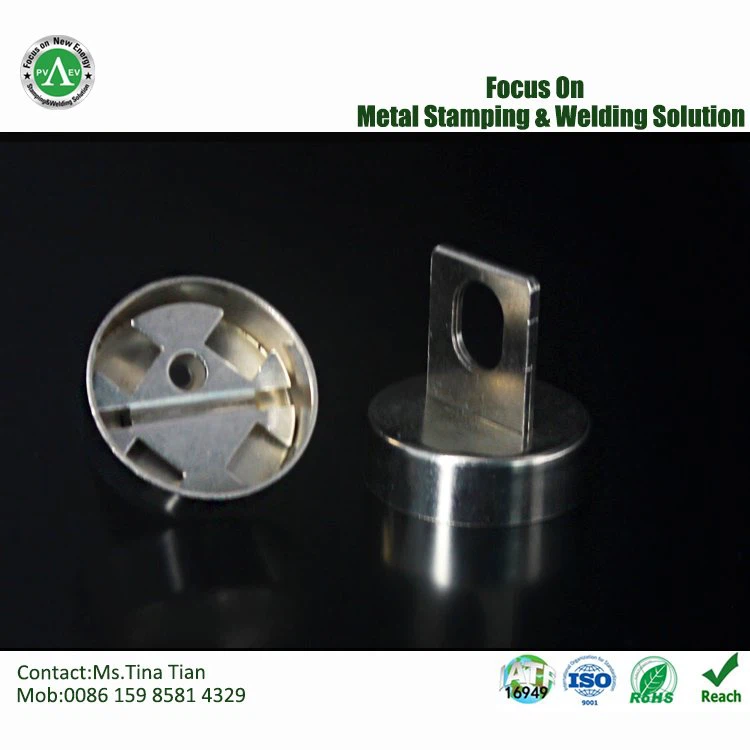
IEC Standard Low Voltage 250A Nh HRC Fuse
Model Number:ASWT-F295
Material:Copper
Application:EV/PV/NH Fuse link
MOQ:1000pcs
Product Introduction
We'll make every effort and hard work to be superb and excellent, and speed up our steps for Upper And Lower Sockets For Fuse, Fuse Knife Contact For Rail Transit, Terminal Contact. We constantly improve ourselves and work with great teams and individuals. Our company pays attention to after-sales service and sets up technical training service center to serve new and old customers. For each trust, care and support, we bear in mind, and will return to society with greater achievements in the future. Our company practices green production, promotes circular economy, advances energy conservation and emission reduction, and develops environmentally friendly products.

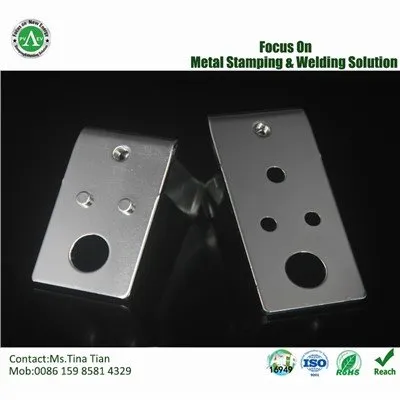
Fuse terminal contacts are essential components in fuse assemblies, providing electrical connections between the fuse element and external circuitry. They are typically constructed using copper or copper alloys due to their excellent electrical conductivity and thermal properties.
Our fuse terminal contacts are ni-plating, which also known as nickel plating, is a common surface treatment method used for fuse terminal contacts. It involves depositing a layer of nickel onto the surface of the contacts through an electroplating process. The purpose of Ni-plating is to provide various benefits and enhance the performance and durability of the contacts. Ni-plating offers several advantages for fuse terminal contacts:
1. Corrosion Resistance: Nickel is highly resistant to corrosion, making Ni-plated fuse terminal contacts more durable and suitable for applications in harsh environments. The nickel layer acts as a protective barrier, preventing the underlying copper material from coming into direct contact with corrosive agents.
2. Improved Wear Resistance: Fuse terminal contacts that undergo Ni-plating exhibit enhanced wear resistance. The nickel coating provides a hard and smooth surface, reducing friction and preventing wear during contact mating and separation. This prolongs the lifespan of the contacts and ensures reliable electrical connections over an extended period.
3. Solderability: Ni-plating improves the solderability of fuse terminal contacts. The nickel layer acts as a compatible surface for solder bonding, allowing for reliable and efficient soldering during assembly processes. It enhances the wetting properties of solder, ensuring proper adhesion between the contacts and other components.
4. Enhanced Electrical Conductivity: While nickel itself is not as conductive as copper, the thin layer of Ni-plating applied to fuse terminal contacts does not significantly impact electrical conductivity. The nickel layer is typically thin and does not introduce significant resistance or impedance to the current flow.
5. Aesthetic Appeal: Ni-plating can provide an aesthetically pleasing finish to fuse terminal contacts. The bright and lustrous appearance of nickel enhances the visual appeal of the contacts, especially in applications where the contacts are visible or accessible.
Ni-plating is a valuable surface treatment for fuse terminal contacts, offering corrosion resistance, improved wear resistance, solderability, and an attractive finish. These benefits contribute to the overall performance, durability, and reliability of the contacts in various electrical and electronic applications.

Fuse terminal contacts find applications in various industries where electrical protection is crucial. They are commonly used in automotive, industrial, and electronic applications. In automotive applications, fuse terminal contacts are employed in vehicle fuse boxes to protect electrical circuits from overcurrent conditions. In industrial settings, they are utilized in power distribution systems and control panels to safeguard equipment and machinery. Electronic devices, such as computers and appliances, also incorporate fuse terminal contacts for circuit protection.
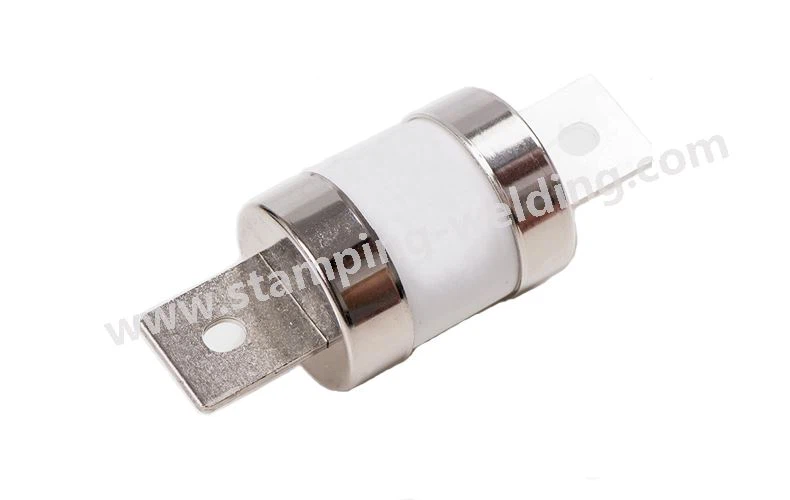
Copper, a widely used raw material for fuse terminal contacts, possesses exceptional electrical conductivity, making it an ideal choice for conducting electrical current. It allows for efficient current flow while minimizing resistive losses. Copper also exhibits excellent thermal conductivity, aiding in heat dissipation during fuse operation.
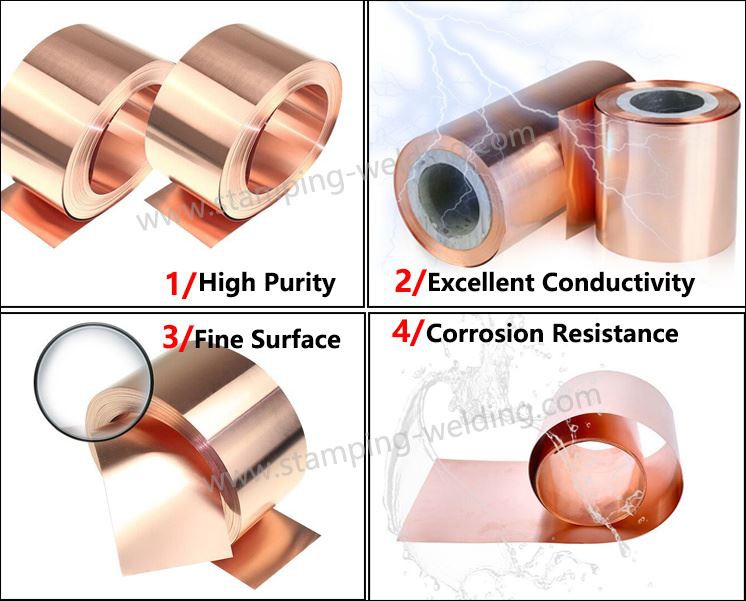
The manufacturing process of fuse terminal contacts often involves stamping, a common method for shaping and forming metal components. Stamping allows for high precision and consistency in producing fuse contacts. It involves feeding a sheet of copper into a stamping press, which uses a die to cut and shape the metal into the desired contact design. The stamping process ensures uniformity and accuracy, enabling reliable electrical connections.
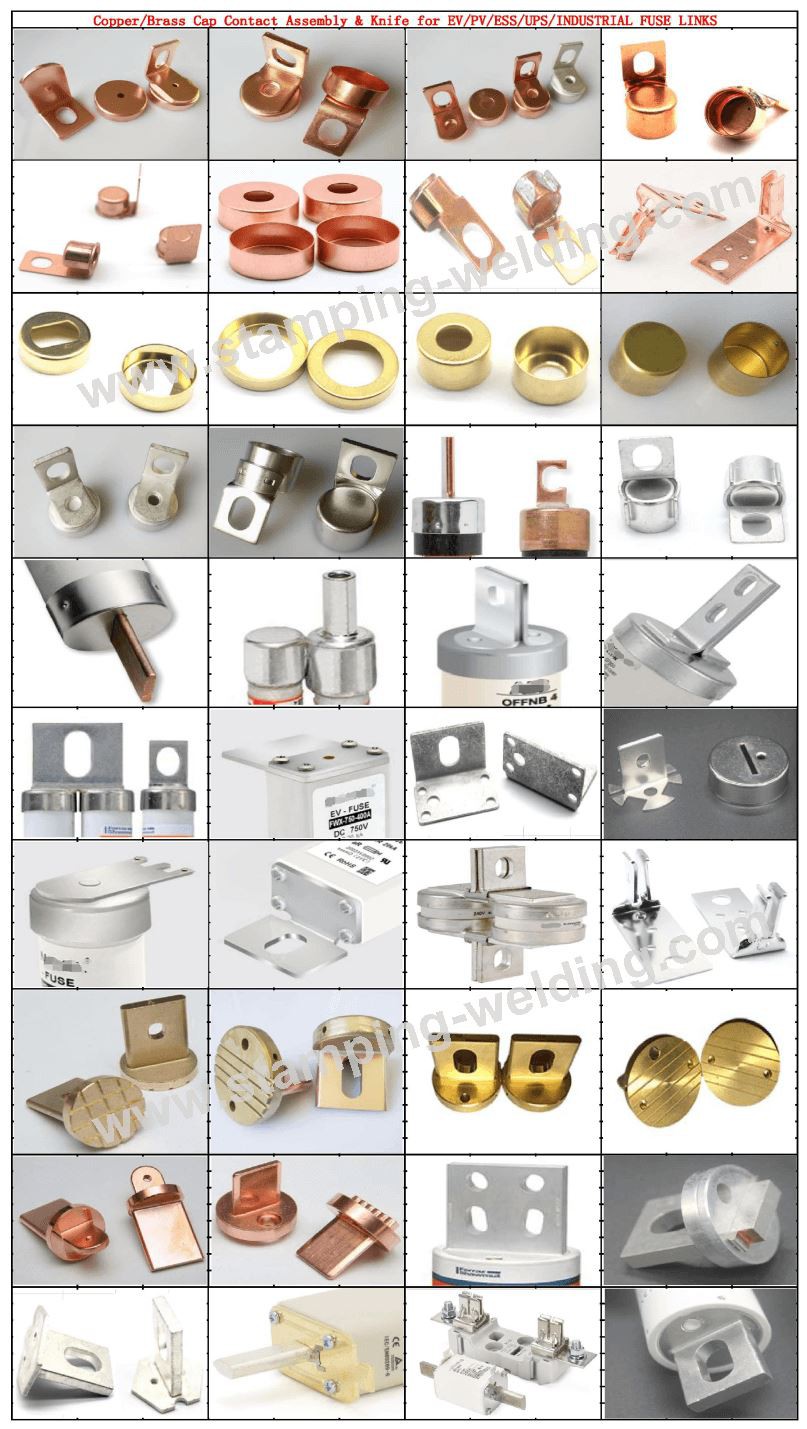


Each of our IEC Standard Low Voltage 250A Nh HRC Fuse has been carefully manufactured and inspected in strict compliance with quality standards to make sure they are delivered to customers with the best quality. Our company provides stable product supply and good after-sales service to our customers. In the absence of 'craftsman spirit" and "contract spirit' business environment, our company is committed to starting from a product to create a valuable product in the true sense.
Hot Tags: fuse terminal contact, China, manufacturers, suppliers, factory, T2 Copper End Caps For EV Fuse, Electrical Fuse Components, NH Fuse Knife, Fuse Terminal Contact, Automotive Fuse Terminals, Knife Fuse Holder
[[ProKeywords]]You Might Also Like
-

Gp-Sf6-35/642 Epoxy Resin Insulator Insulation Spout...
-

Silver Alloy Sheet Apply in High Current Electronic
-

Utl Fuse Type Electrical Connector Orange Small DIN ...
-

Automotive Relay Fuse Box Connector Terminal Mct113-T
-

Silicone Material Swimming Cap and Goggles to Protec...
-
Bayonet Type PBT Material 16A 250V Board PCB 6X30 6X...