




Fuse Terminal For EV
Fuse terminals for Electric Vehicles (EVs) are crucial safety components designed to protect the vehicle's electrical system from overcurrent conditions. As EVs rely on complex electrical systems to power various components, such as motors, battery packs, and charging systems, the risk of overcurrent situations arises due to faults, short circuits, or other electrical anomalies. Fuse terminals play a significant role in preventing damage to the vehicle's electrical components and mitigating potential hazards.
- Fast Delievery
- Quality Assurance
- 24/7 Customer Service
Product Introduction
PRODUCT INTRODUCTION
Fuse terminals for Electric Vehicles (EVs) are crucial safety components designed to protect the vehicle's electrical system from overcurrent conditions. As EVs rely on complex electrical systems to power various components, such as motors, battery packs, and charging systems, the risk of overcurrent situations arises due to faults, short circuits, or other electrical anomalies. Fuse terminals play a significant role in preventing damage to the vehicle's electrical components and mitigating potential hazards.

PRODUCT MATERIALS
- Copper: Copper is a common material used in the construction of fuse terminals due to its excellent electrical conductivity. It allows for efficient current flow and minimal power losses, making it well-suited for handling high currents typical in EV applications. Copper also has good mechanical properties, ensuring the fuse terminal's structural integrity.
- Brass: Brass is another material commonly used in the product. It is an alloy of copper and zinc, which offers a good balance of electrical conductivity and mechanical strength. Brass is often chosen for the fuse terminal's contact components due to its ability to maintain good electrical connections over time.
- Silver: Silver is a highly conductive material, even better than copper. It is occasionally used as a plating material on contact surfaces within the fuse terminal. Silver plating enhances the fuse terminal's electrical performance and ensures lower contact resistance, which is vital for maintaining efficient current flow.
- Tin: Tin is used for plating fuse terminals, providing a protective layer to prevent corrosion and oxidation of the underlying material, such as copper or brass. Tin plating improves the fuse terminal's longevity and reliability.
- Nickel: Nickel is sometimes used as a plating material for fuse terminals, especially in areas where corrosion resistance is essential. Nickel plating provides a protective barrier against environmental elements, increasing the fuse terminal's durability.
- Steel: In some fuse terminal designs, steel components might be used to provide additional strength and stability to the overall structure. Steel offers good mechanical properties, making it suitable for parts requiring robustness.
- Insulating Materials: Alongside conductive materials, insulating materials are used to separate conductive components and prevent unintended electrical contact. Common insulating materials include various thermoplastics, thermoset resins, or composite materials.

PRODUCT FUNCTIONS
- Overcurrent Protection: Preserving Electrical Systems
Fuse terminals are at the forefront of protecting EVs from electrical hazards. They act as essential safety components that interrupt the circuit when an overcurrent condition is detected. During normal operation, the fuse terminal allows the current to flow through the circuit seamlessly. However, when an excessive current, caused by a fault or short circuit, threatens the electrical components' integrity, the fuse terminal acts as a safety valve, immediately disconnecting the circuit and preventing damage.
- Battery Pack Protection: Safeguarding the Heart of the EV
The high-voltage battery pack is the powerhouse of an EV. Fuse terminals are strategically placed at the battery terminals to shield the battery from potential electrical issues. In the event of a fault or overcurrent situation, the fuse terminal acts as the first line of defense, isolating the battery pack and preventing catastrophic consequences.
- Electric Motor Protection: Ensuring Efficient Propulsion
Electric motors are the driving force behind EVs, converting electrical energy into mechanical motion. Fuse terminals protect the motor circuits from overcurrent events, which could lead to motor failure or damage. By ensuring the motor's safety, fuse terminals contribute to the overall efficiency and performance of the EV's propulsion system.
- Inverter and Charging System Safety: Smooth and Reliable Operation
In EVs, inverters convert DC power from the battery to AC power, driving the electric motor. Fuse terminals provide overcurrent protection for the inverter and the charging system, ensuring smooth and reliable operation during charging and driving cycles.
- Electronic Control Units (ECUs) and Auxiliary Systems: System-Wide Protection
Modern EVs have numerous electronic control units (ECUs) that manage various systems, from battery management to infotainment. Fuse terminals safeguard these ECUs and auxiliary systems, preserving their functionality and preventing damage due to electrical faults.

PRODUCT APPLICATIONS
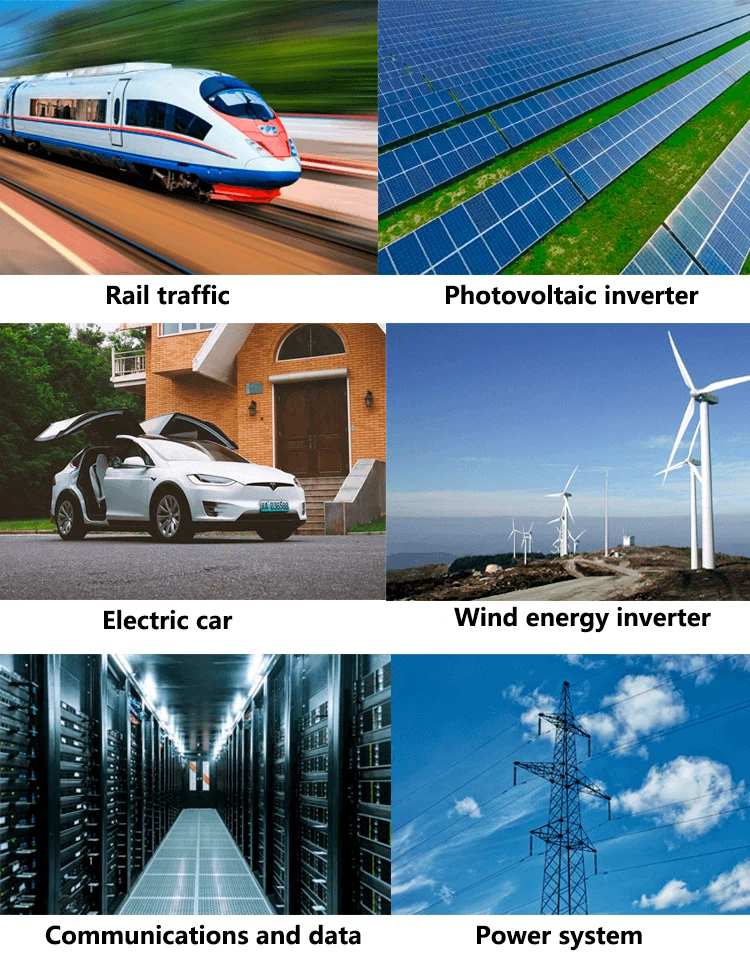
- Battery Protection: Fuse terminals are used to protect the high-voltage battery pack in EVs. They are typically installed on the battery terminals to prevent overcurrent situations, such as short circuits or faults within the battery pack. The fuse terminals help isolate the battery in case of an issue, preventing potential hazards and damage to the battery system.
- Motor Protection: EVs rely on electric motors for propulsion. Fuse terminals are employed to safeguard the motor and its associated electrical circuits. In the event of an overcurrent or electrical fault, the fuse terminals disconnect the motor circuit, protecting the motor from damage and preventing unsafe conditions.
- Inverter Protection: Inverters are used in EVs to convert DC power from the battery to AC power for the electric motor. Fuse terminals are utilized to provide overcurrent protection for the inverter and associated electrical components. Inverter protection is critical for maintaining the efficiency and performance of the motor drive system.
- Charging System Protection: Fuse terminals are essential in EV charging systems. They protect the charging circuitry from overcurrent conditions that could arise due to faults or fluctuations during the charging process. The product helps ensure safe and reliable charging of the EV's battery.
- Electronic Control Units (ECUs) Protection: EVs use various ECUs to manage and control different systems. Fuse terminals are used to protect these ECUs from overcurrents that may occur due to electrical faults or power surges.
- High-Voltage System Protection: Fuse terminals are employed in various parts of the high-voltage electrical system to provide comprehensive overcurrent protection. This includes protection for high-voltage cables, connectors, and other components within the system.
- Auxiliary Systems: In addition to major components, fuse terminals are used to protect various auxiliary systems in EVs, such as lighting, infotainment, HVAC, and power windows. These fuse terminals help safeguard these systems from electrical faults and overloads.
- Energy Management and Load Distribution: In some EVs, fuse terminals are used to manage energy distribution and load balancing between different components and systems. They help ensure the efficient use of electrical power and prevent the overloading of specific circuits.
PRODUCT EQUIPMENT
- Precision Cutting and Forming Machines: These machines are used to precisely cut and shape the metal components that make up the fuse terminals. For example, cutting machines can accurately cut copper and brass strips into the required sizes, while forming machines bend and shape the metal components according to the desired fuse terminal design.
- Stamping Presses: Stamping presses are used to create the intricate shapes and features of the fuse terminals. The presses apply pressure to the metal blanks, forming them into the desired shapes. Progressive stamping processes may be employed to create multiple features in a single operation.
- Welding Equipment: Depending on the design, some fuse terminals may require welding processes to join different components securely. Various welding methods, such as resistance welding or laser welding, can be used to achieve strong and reliable bonds.
- Plating and Coating Equipment: Plating and coating equipment is used to apply protective coatings, such as tin or nickel plating, to enhance the fuse terminal's durability and prevent corrosion.
- Testing and Inspection Equipment: Quality control is crucial in the production of the product. Testing and inspection equipment, such as electrical testers and visual inspection systems, ensure that the fuse terminals meet the required specifications and standards.
- Packaging Equipment: Packaging equipment is used to package the finished fuse terminals for shipping and distribution. This may include automated packaging machines that prepare the products for transport and storage.

QUALITY ASSURANCE
We always put quality first and strictly follow ISO9001 and IATF16949 certification standards. Through multiple quality inspection procedures, we ensure that each product meets high standards and provides reliable quality assurance.

CONTACT US
If you have any need, please feel free to contact us!

Hot Tags: fuse terminal for ev, China, manufacturers, suppliers, factory, Copper Pipe Cap And Fuse Terminal For EV, Fuse Link Contact And End Cap For Auto Car, Fusible Link Outer End Cap And Terminal, Fuse Contact And End Caps Components, Fuse Link Welded Components, Fuse Copper Cap