



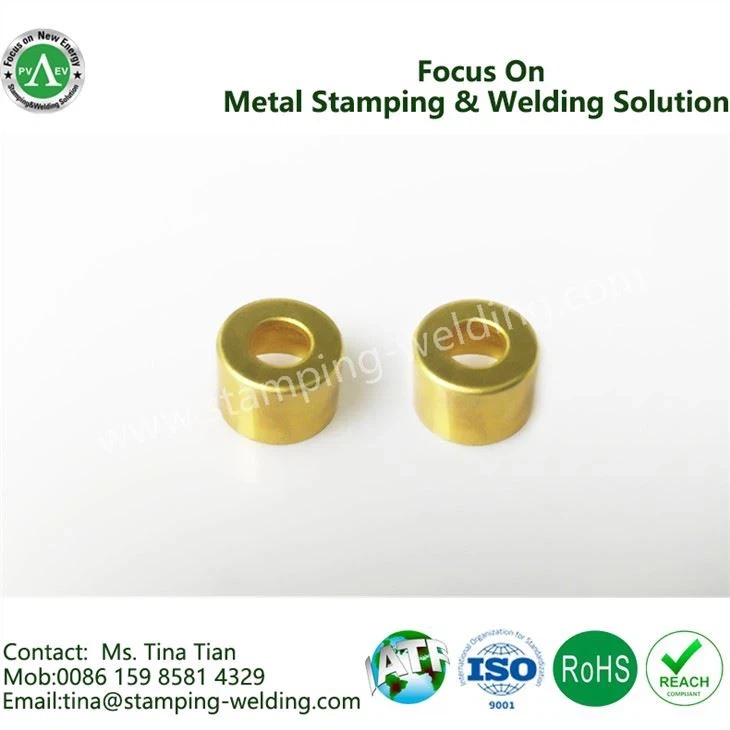

fuse inner cap for pv
Photovoltaic fuses are protection devices specially designed for photovoltaic systems, featuring high-precision overcurrent protection characteristics, high reliability, low resistance, and compliance with standards. They are widely used in photovoltaic systems such as solar power stations, distributed photovoltaic systems, photovoltaic inverters, charging piles, etc., to protect photovoltaic equipment from current overload and short circuit, and ensure the safe and stable operation of photovoltaic systems.
- Fast Delievery
- Quality Assurance
- 24/7 Customer Service
Product Introduction
Products Description
Photovoltaic fuses are protection devices specially designed for photovoltaic systems, featuring high-precision overcurrent protection characteristics, high reliability, low resistance, and compliance with standards. They are widely used in photovoltaic systems such as solar power stations, distributed photovoltaic systems, photovoltaic inverters, charging piles, etc., to protect photovoltaic equipment from current overload and short circuit, and ensure the safe and stable operation of photovoltaic systems. The two ends of the fuse made of brass are usually located at both ends of the fuse.
These brass caps serve the following important functions in photovoltaic fuses:
-
Electrical Connections: The brass cap terminals are the electrical connections of the fuse that are soldered or otherwise connected to the circuit to allow current to flow through the fuse. As an excellent conductive material, brass can ensure smooth transmission of current in the fuse, reduce resistance, and keep energy loss low.
-
Secure Fuse Element: The brass cap end serves to secure the fuse element. Fuse elements are usually small wires or sheets of material with brass cap ends holding them securely together so that the fuse completes the circuit.
-
Safety protection: The brass cap end plays an important safety protection role in the fuse. When the current is abnormal or overloaded, the fuse element in the fuse will be heated and melted, breaking the circuit. The design and material of the brass cap ensure that the fuse element can be safely and stably fixed at the end when the circuit is disconnected, preventing arcs and sparks from being generated, thereby avoiding circuit damage or causing danger.
-
Corrosion resistance: Photovoltaic fuses are often used in outdoor environments and need to have good corrosion resistance. The brass cap has good resistance to oxidation and corrosion in outdoor environments, ensuring long-term stable operation of the fuse.

Product testing method
The quality inspection method of brass end fittings covers many aspects to ensure that the product meets the design requirements and relevant standards. If customers have needs, they can refer to the following commonly used brass end fitting quality inspection methods. These quality inspection methods can be used alone or in combination, and customized inspection solutions can be made according to the use and requirements of brass end fittings. During the production process, we will also conduct multiple quality inspections on the products to ensure the stable quality and reliable performance of the products, so as to meet the needs of customers and ensure safe and reliable use.
- Visual inspection: Visual inspection is the most basic inspection method to check whether there are scratches, bubbles, cracks, depressions, or other defects on the surface of brass end pieces. This requires careful observation with the naked eye or aids.
- Dimensional Measurements: Use precision measuring tools such as micrometers, calipers, gauges, etc. to accurately measure individual dimensions of brass end pieces. This includes length, width, height, aperture, pitch, etc.
- Chemical composition analysis: use chemical analysis equipment to test the chemical composition of brass end pieces to ensure that it meets the specified brass alloy composition range, such as copper content, zinc content, etc.
- Hardness test: Use a hardness tester to test the hardness of the brass end piece to evaluate whether its hardness meets the requirements. The hardness test can help judge the strength and wear resistance of the material.
- Shock Testing: Shock testing is performed to evaluate the performance of brass end fittings when subjected to shock or vibration. This can help determine the durability and reliability of the end piece.
- Tensile Testing: Brass end pieces are tensile tested by a tensile testing machine to evaluate their tensile strength and ductility.
- Corrosion Testing: Corrosion testing is performed to evaluate the corrosion resistance of brass end fittings, especially for end fittings used outdoors or in wet environments.
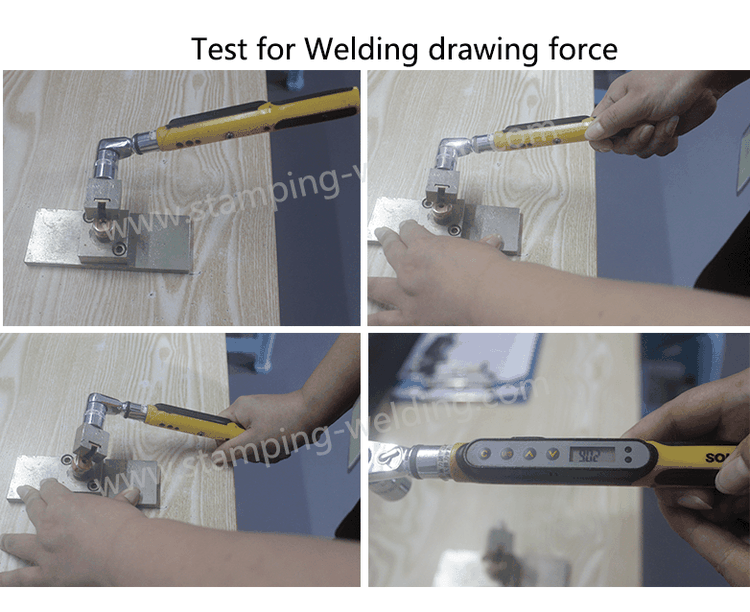
- Welding quality inspection: For brass end pieces with welded connections, weld seam quality inspection is performed to ensure that the welds are solid and free of cracks.
- Penetration Testing: Use penetrant testing methods to inspect brass end pieces for tiny cracks or imperfections.
- X-ray inspection: X-ray inspection of brass end fittings on special request for detection of hidden defects and internal structural problems.
quality guarntee
We are approved with international quality and environmental management systems such as IATF16949, and ISO9001.


contact us
Thank you for your attention and support of our company! If you have any questions or need further information about our products or services, we are more than happy to help you.

Hot Tags: fuse inner cap for pv, China, manufacturers, suppliers, factory, Inner Cap With Hole For Fuse Base, Brass Inner Cap For PV Fuse, Inner Cap With Hole For Automotive Fuse, Brass Inner Cap For Electric Vehicle Fuse, Fuse Cap And Contact, Inner Cap For Solar Photovoltaic Fuse


