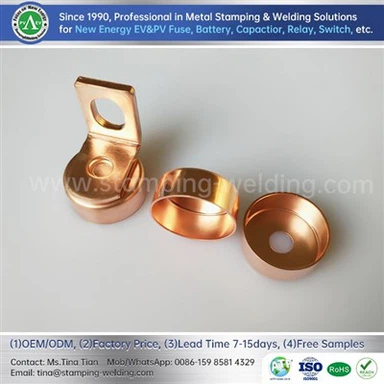


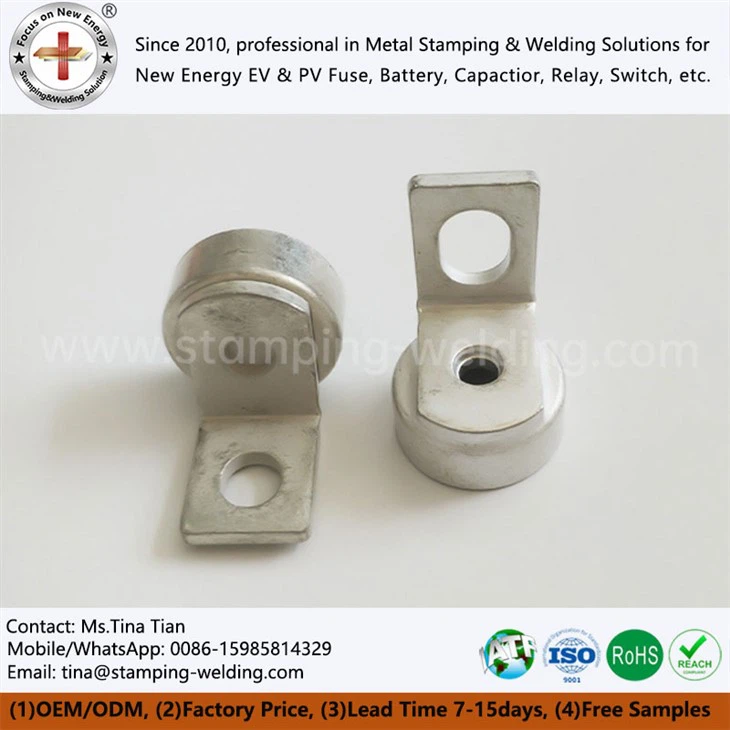
Knife And Cap Tin-brazing Assembly For Electrical Fuse
The Knife and Cap Tin Brazing Assembly for Electrical Fuse is a critical component in electrical power distribution systems. It consists of a knife blade and a cap, typically made of high-conductivity materials like copper or aluminum, joined together through a precise tin brazing process. This assembly serves as a crucial element in electrical fuses, enabling the controlled interruption of electrical circuits under overcurrent conditions. When excessive current flows through the fuse, the tin brazing joint rapidly melts, disconnecting the knife blade from the cap, and effectively interrupts the circuit to protect downstream equipment and ensure safety. This assembly's precision engineering and reliable performance make it an essential part of electrical fuse systems.
- Fast Delievery
- Quality Assurance
- 24/7 Customer Service
Product Introduction
Products Description
The Knife and Cap Tin Brazing Assembly for Electrical Fuse is a critical component in electrical power distribution systems. It consists of a knife blade and a cap, typically made of high-conductivity materials like copper or aluminum, joined together through a precise tin brazing process. This assembly serves as a crucial element in electrical fuses, enabling the controlled interruption of electrical circuits under overcurrent conditions. When excessive current flows through the fuse, the tin brazing joint rapidly melts, disconnecting the knife blade from the cap, and effectively interrupts the circuit to protect downstream equipment and ensure safety. This assembly's precision engineering and reliable performance make it an essential part of electrical fuse systems.

Products functions
- Rapid Response: It offers exceptionally fast response times when faced with overcurrent conditions, thanks to the precise tin-brazing joint. This innovation ensures quick circuit interruption, minimizing the risk of damage to sensitive equipment and enhancing electrical safety.
- High Reliability: The assembly's design and materials enhance its reliability under various electrical conditions, reducing false triggers and ensuring it consistently performs as intended, even in challenging environments.
- Safety Enhancements: Advanced safety features, such as arc suppression technology and fault detection capabilities, can be integrated into the assembly, further enhancing electrical system safety.
- Remote Monitoring: Some innovative assemblies incorporate sensors and communication capabilities, enabling remote monitoring and real-time feedback on fuse status, which contributes to proactive maintenance and system optimization.
- Eco-friendly Materials: Innovations in material selection may prioritize eco-friendly and sustainable options, aligning with modern environmental standards.

Processing Technology
Component Cleaning: The Knife And Cap Components Are Cleaned Thoroughly To Remove Any Contaminants, Dirt, Or Oxidation That Could Affect The Quality Of The Brazed Joint.
Flux Application: Flux, a chemical cleaning agent, is applied to the surfaces of the components that will be brazed. Flux helps to remove oxides and promotes the wetting of the molten tin alloy.
Assembly: The knife and cap components are carefully positioned and aligned to ensure a precise fit. Proper alignment is crucial for a strong and reliable bond.
Brazing Setup: The prepared assembly is placed in a controlled environment, often within a protective atmosphere, to prevent oxidation during the brazing process.
Heating: The assembly is gradually heated to the melting point of the tin alloy. The specific temperature and heating rate are carefully controlled to prevent thermal distortion or damage to the components.
Brazing: Once the assembly reaches the appropriate temperature, a molten tin alloy with a lower melting point than the base materials is introduced. This alloy flows and wets the surfaces of the components, creating a metallurgical bond as it solidifies.
Cooling: After brazing, the assembly is allowed to cool slowly. This controlled cooling minimizes the risk of thermal stress and ensures a strong, uniform bond.
Cleaning and Inspection: The brazed assembly is cleaned to remove any residual flux or oxide buildup. It then undergoes rigorous quality inspection to check for defects, such as incomplete brazing or improper alignment.
Testing: The assembled Knife and Cap Tin Brazing Assembly is subjected to electrical and functional tests to ensure it meets performance and safety standards for electrical fuse applications.
Finishing: Depending on your company's requirements, the finished assemblies may undergo additional processes like plating or coating to enhance their durability and electrical conductivity

Products Inspection
1. Inspection Planning:
Before production begins, a comprehensive inspection plan is developed. This plan outlines the inspection criteria, methods, and frequency of inspections throughout the production process.
2. Incoming Material Inspection:
The inspection process starts with the examination of incoming raw materials, such as metal components, tin brazing materials, and electrical components. This ensures that the materials used meet the specified quality standards.
3. In-Process Inspection:
During production, inspectors periodically check various stages of the Knife and Cap Tin Brazing Assembly manufacturing process. This includes assessing the precision of machining, assembly processes, and soldering/brazing techniques.
Visual inspections may be conducted to ensure that there are no visible defects, such as cracks, burrs, or irregularities in the components.
4. Dimensional Measurement:
Precise measurements are taken at various stages of production to ensure that the Knife and Cap Tin Brazing Assembly conforms to the specified dimensions and tolerances.
5. Soldering/Brazing Inspection:
The soldering or brazing process is critical in ensuring the electrical fuse's performance and safety. Inspectors check the quality of solder joints, looking for issues like insufficient solder, voids, or cold joints.
X-ray or ultrasound inspection may be used to detect internal defects in the brazing.
6. Electrical Testing:
Electrical testing is performed to verify that the product functions correctly. This includes testing for electrical continuity and verifying that the assembly can handle the specified electrical load.
7. Functional Testing:
The assembled electrical fuse may undergo functional tests to ensure that it operates as intended when subjected to real-world conditions. This could involve applying simulated overcurrent conditions to verify the fuse's protective capabilities.
8. Visual Inspection:
A final visual inspection is conducted to identify any cosmetic defects, including scratches, dents, or surface irregularities. The product should also be labeled correctly.
9. Packaging Inspection:
Inspectors ensure that the product is properly packaged to prevent damage during transportation and storage. Labels, instructions, and safety information should be included as required.
10. Documentation and Record-keeping: - Detailed records of the inspection results are maintained, including photographs, measurements, and test data. This documentation is crucial for quality control and traceability.
11. Rejection and Rework: - If any unit fails to meet the specified quality standards during the inspection, it is marked for rejection and sent for rework or disposal, ensuring only conforming products reach the market.
12. Random Sampling and Auditing: - Periodically, random sampling may be conducted to verify the effectiveness of the inspection process. External auditors may also review the inspection procedures to ensure compliance with industry standards and regulations.
13. Continuous Improvement: - Feedback from the inspection process is used to identify areas for improvement in production processes and quality control measures. Continuous improvement efforts help enhance product quality and efficiency.

Contact us

Hot Tags: knife and cap tin-brazing assembly for electrical fuse, China, manufacturers, suppliers, factory, Brass Terminal Assembly, Fuse End Blade For Electrical Vehicle, Inner Cap, Outer Cap And Automotive Fuse Terminals, Outer Cap And Contact For Automotive Fuse, T2 Copper End Caps And Fuse Contact