

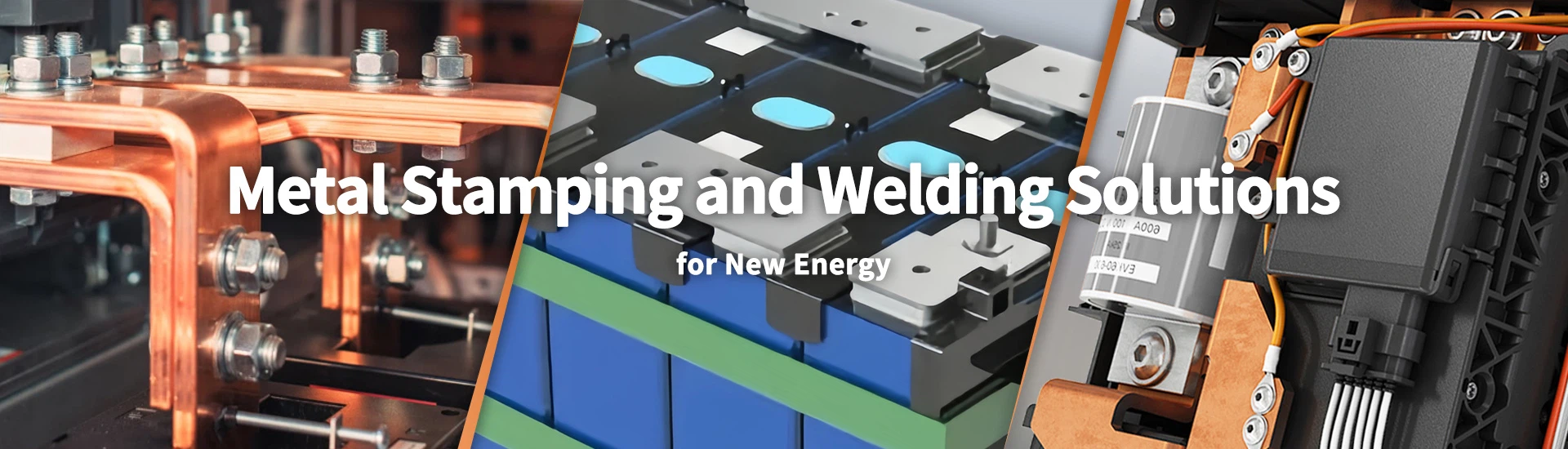


Fuse End Blade Ferrules For EV
Fuse End Blade Ferrules for Electric Vehicles (EVs) are specialized electrical connectors designed to securely terminate electrical wires at fuse or circuit protection points in EV systems. These ferrules provide a reliable and safe means of connecting wires to fuses or circuit breakers, ensuring efficient power distribution and protection against electrical faults. They are typically made from high-quality materials to withstand the demands of electric vehicle applications and help maintain the integrity of the electrical connections within the vehicle's power distribution system.
- Fast Delievery
- Quality Assurance
- 24/7 Customer Service
Product Introduction
PRODUCT INTRODUCTION
Fuse End Blade Ferrules for Electric Vehicles (EVs) are specialized electrical connectors designed to securely terminate electrical wires at fuse or circuit protection points in EV systems. These ferrules provide a reliable and safe means of connecting wires to fuses or circuit breakers, ensuring efficient power distribution and protection against electrical faults. They are typically made from high-quality materials to withstand the demands of electric vehicle applications and help maintain the integrity of the electrical connections within the vehicle's power distribution system.

PRODUCT FUNCTIONS
——
- Electrical Connection: They securely terminate electrical wires, creating a reliable and efficient electrical connection between the wire and the fuse or circuit protection point within the EV's electrical system.
- Circuit Protection: By connecting wires to fuses or circuit breakers, these ferrules play a crucial role in safeguarding the EV's electrical circuits. They help prevent electrical overloads and short circuits by allowing the timely operation of fuses or breakers when needed.
- Safety: Fuse End Blade Ferrules enhance electrical safety by maintaining a secure and well-protected connection, reducing the risk of loose or exposed wires that could lead to electrical hazards.
- Efficient Power Distribution: They ensure efficient power distribution within the EV, allowing electrical currents to flow through the protected circuits while preventing excessive current flow that could damage components or cause safety issues.

SURFACE TREATMENT
——
- Tin Plating: Tin plating is commonly used to enhance electrical conductivity, reduce corrosion, and improve solderability, ensuring a secure and reliable electrical connection.
- Nickel Plating: Nickel plating offers excellent corrosion resistance, making it suitable for ferrules exposed to harsh environmental conditions, such as moisture or chemicals.
- Silver Plating: Silver plating provides exceptional electrical conductivity, making it ideal for applications where high-performance electrical connections are required.
- Passivation: Passivation treatments, such as chromate or phosphate coatings, are applied to enhance corrosion resistance and protect the ferrules from environmental factors.
- Anodizing (for aluminum ferrules): Anodizing creates a protective oxide layer on aluminum ferrules, improving their resistance to corrosion and wear.
- Anti-Friction Coatings: Some ferrules used in high-stress applications may receive coatings to reduce friction and wear, ensuring long-lasting performance.
MACHINING STEPS
——
- Material Selection: Start by selecting high-quality materials that are suitable for the application and meet electrical and mechanical requirements.
- Blanking: Cut the selected material into appropriately sized blanks using cutting tools or machinery.
- Forming: Shape the blanks into the desired ferrule form. This can involve various processes, including stamping, bending, or cold heading, depending on the design.
- Burring and Deburring: Remove any sharp edges or burrs created during the forming process to ensure a smooth and safe finish.
- Drilling or Piercing: Create holes or openings in the ferrules to accommodate wires or terminals, ensuring precise alignment and dimensions.
- Surface Treatment: Apply surface treatments or coatings, such as plating or passivation, to enhance electrical conductivity, corrosion resistance, and overall durability.
- Quality Control: Implement rigorous quality control measures at various stages of production, including inspections, measurements, and tests to ensure the ferrules meet specified standards.
- Assembly (if applicable): In some cases, the ferrules may be assembled with other components, such as terminals or insulating materials, as part of the manufacturing process.
- Final Inspection: Perform a final inspection to verify that the Fuse End Blade Ferrules meet all specifications, including dimensions, surface finish, and electrical properties.
- Packaging: Package the finished ferrules for distribution and use in EV electrical systems.

PRODUCT INSPECTION
——
- Visual Inspection: Examine the Fuse End Blade Ferrules for EV for any visible defects, such as surface irregularities, cracks, burrs, or damage from the manufacturing process. This also includes checking for proper plating or surface treatment.
- Dimensional Measurements: Use precision measuring instruments to verify that the ferrules meet specified dimensional tolerances, including length, width, thickness, hole diameter, and other critical dimensions.
- Electrical Resistance Testing: Conduct electrical resistance tests to ensure the ferrules offer low electrical resistance, allowing for efficient electrical conductivity when connecting wires or terminals.
- Functional Testing: Assemble the ferrules with wires or terminals to confirm that they securely grip and make reliable electrical connections. This test ensures that the ferrules perform their intended function.
- Corrosion Resistance Testing: Depending on the intended application and materials used, perform corrosion resistance tests to evaluate the ferrules' ability to withstand exposure to environmental conditions.
- Mechanical Strength Testing (if required): Evaluate the mechanical strength of the ferrules, particularly in applications where they may be subject to high stress or vibration.
- Environmental Testing (if applicable): Subject the ferrules to environmental tests, such as temperature and humidity cycling, to assess their performance under various conditions.
- Packaging Inspection: Check the packaging of the ferrules to ensure they are correctly labeled, packaged, and protected for shipping and storage.

FAQ
——
Q1:What Are Your Certificates?
A2: We have ISO9001 and IATF 16949 certificates.
Q2:Do You Test All Your Goods Before Delivery?
A2: Yes, we have 100% test before delivery.
Q3:How Can I Get A Quotation From Your Company?
A3:In order to quote you ASAP, we need the following information:
1/Detailed drawings(Format:CAD/PDF/DWG/STEP/IGES)
2/Material
3/Quantity
4/Surface treatment
5/Any special packaging or another requirement
Q4:How Long Can I Get A Quotation?
A4:After you send us the product drawing(including material), we can give you the quotation within 4 hours.
Q5: Is Customized Material Available?
A5:Yes, please just offer your detailed requirements or samples.
OUR CUSTOMERS
——

CONTACT US

Hot Tags: fuse end blade ferrules for ev, China, manufacturers, suppliers, factory


