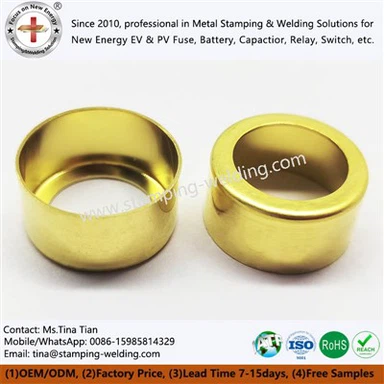


Copper Cap For European Cylindrical Fuse Link
The Copper Cap for the European Cylindrical Fuse Link is a critical component used in electrical fuse systems. It is typically designed to securely encase the fuse link's contact end, providing electrical conductivity and a safe, durable connection within the fuse assembly. This copper cap is known for its excellent electrical conductivity properties, ensuring reliable current flow while effectively protecting against overload conditions. Its compatibility with European cylindrical fuse-links makes it an integral part of electrical distribution and protection systems, contributing to the safety and efficiency of various industrial and residential applications.
- Fast Delievery
- Quality Assurance
- 24/7 Customer Service
Product Introduction
PRODUCT INTRODUCTION
The Copper Cap for the European Cylindrical Fuse Link is a critical component used in electrical fuse systems. It is typically designed to securely encase the fuse link's contact end, providing electrical conductivity and a safe, durable connection within the fuse assembly. This copper cap is known for its excellent electrical conductivity properties, ensuring reliable current flow while effectively protecting against overload conditions. Its compatibility with European cylindrical fuse-links makes it an integral part of electrical distribution and protection systems, contributing to the safety and efficiency of various industrial and residential applications.

PRODUCT FUNCTIONS
--
The Copper Cap for the European Cylindrical Fuse Link serves two primary functions:
- Electrical Conductivity: It provides a highly conductive connection point for the fuse link, ensuring efficient current flow and enabling the fuse to operate effectively when excessive currents are detected.
- Contact Protection: The cap shields and protects the contact end of the fuse link, preventing contamination, corrosion, or physical damage that could compromise the fuse's performance or safety. It contributes to the reliability and longevity of the fuse assembly.

SURFACE TREATMENT
--
1. Cleaning and Preparation: Before any treatment begins, the copper caps undergo thorough cleaning to remove contaminants, oils, and oxides from their surfaces. This step is critical to ensure proper adhesion of the surface treatment.
2. Electroplating: The most common surface treatment method for copper caps is electroplating. This process involves immersing the caps in an electrolytic bath with a plating solution that contains the desired plating material, such as tin, silver, or nickel. An electrical current is applied, causing the plating material to bond to the surface of the copper cap.
- Tin Plating: Tin plating is often used due to its excellent electrical conductivity and corrosion resistance. It provides a bright, reflective finish and effectively prevents oxidation.
- Silver Plating: Silver plating offers exceptional electrical conductivity and is resistant to corrosion. It is a preferred choice for applications requiring high electrical performance.
3. Thickness Control: During the electroplating process, the thickness of the plating layer is carefully controlled to meet specific requirements. This ensures uniformity and consistency in the plating thickness across all caps.
4. Post-Treatment Processes: After plating, the caps may undergo additional processes such as rinsing, drying, and inspection to remove excess plating solution and ensure quality control.
5. Testing: Quality control tests may be performed to verify the effectiveness of the surface treatment. These tests can include adhesion tests, thickness measurements, and corrosion resistance testing.
PRODUCT INSPECTION
--
- Coating Thickness Measurement: If the caps are electroplated with materials like tin or silver, the thickness of the plating is measured using methods like X-ray fluorescence (XRF) or eddy current testing. This ensures that the plating meets the required standards.
- Adhesion Testing: Adhesion tests are conducted to determine how securely the plating adheres to the copper cap's surface. These tests help ensure that the plating won't peel, flake, or separate from the cap during use.
- Corrosion Resistance Testing: Caps may be subjected to corrosion resistance tests, such as salt spray tests, to assess their ability to withstand corrosive environments. This ensures that the caps maintain their integrity over time.
- Electrical Conductivity Testing: Electrical conductivity tests verify that the plating does not negatively impact the cap's electrical performance. These tests measure the cap's resistance and conductivity, ensuring it conducts current efficiently.
- Solderability Testing: To ensure proper soldering during assembly, solderability tests are performed. These tests assess how well the caps can be soldered to other components, such as fuse links or circuit boards.
- Microscopic Examination: Microscopic inspection is used to examine the cap's surface at a high magnification level. This can reveal minute defects or irregularities that may not be visible to the naked eye.
- Salt Spray Testing: Caps may undergo salt spray tests to simulate exposure to corrosive environments over an extended period. This assesses their resistance to corrosion and ensures long-term reliability.
- Packaging Inspection: The packaging of the caps is checked to ensure that they are adequately protected during transportation and storage. Labels, barcodes, and packaging materials are also inspected.
- Documentation and Record-Keeping: Detailed records are maintained throughout the inspection process, including photographs, measurements, and test results. These records are essential for quality control and traceability.
- Rejection and Rework: If any caps fail to meet the specified quality standards during the inspection, they are marked for rejection and sent for rework or disposal, ensuring that only conforming products are shipped to customers.
RELEVANT PRODUCTS
--
- European Cylindrical Fuse Links: These fuse links are the core components of the fuse assembly and work in conjunction with the Copper Caps. Fuse links are designed to interrupt electrical circuits in case of overcurrent or faults, protecting electrical systems from damage.
- Fuse Bases: Fuse bases, also known as fuse sockets, are receptacles that accept the fuse holder and fuse link assembly. They provide the connection between the electrical system and the fuse link, ensuring a safe and reliable electrical path.
- Fuse Accessories: These accessories are designed to enhance the functionality and safety of the entire fuse assembly. They can include items like fuse covers, indicating lights, and test points, which provide information about the fuse's status and facilitate maintenance.
- Mounting Hardware: Mounting brackets, clips, and fasteners specifically designed for securing the fuse holder and fuse link assembly within various applications. These components ensure a stable and secure installation.
- Fuse Tester: Specialized test equipment for checking the performance and status of the fuse assembly. This tool helps in identifying and replacing faulty fuses quickly.
- Customized Fuse Solutions: Manufacturers may offer customized fuse solutions tailored to specific customer requirements, including unique sizes, ratings, and configurations to meet specialized electrical needs.
- Fuse Panels and Distribution Boxes: These larger-scale products incorporate multiple fuse positions and are used in industrial and commercial applications for distributing electrical power and protecting circuits.
- Electrical Distribution Systems: Comprehensive electrical distribution systems may include a range of components such as circuit breakers, relays, and busbars, which work in conjunction with fuse assemblies to manage electrical power.
- Technical Support and Training: Manufacturers may provide technical support services and training programs to assist customers in selecting, installing, and maintaining fuse assemblies correctly.
- Smart Fuse Systems: Advanced fuse systems that incorporate digital monitoring and control capabilities, enabling remote monitoring and enhancing electrical system efficiency and safety.
Our company is focused on top quality Copper End Cap, Fuse Terminal Contacts, (ELECTRICAL VEHICLE) EV Film Capacitor BusBar, (SOLAR POWER) PV Inverter BusBar, Laminated BusBar, Aluminum Cases for new energy batteries, Copper/Brass/Aluminum/Stainless Steel Stamping Parts, and other electrical products Metal Stamping and Welding Assembly for over 18 years in China. We started as a small operation, but now have become one of the leading suppliers in the EV and PV industry in China.
Please refer to the bottom of the article for specific contact information.

OUR CUSTOMERS
--
We have had pleasant cooperation with many well-known enterprises. If you need to purchase products, please contact us and we will reply as soon as possible.

CONTACT US

Hot Tags: copper cap for european cylindrical fuse link, China, manufacturers, suppliers, factory, Caps For Fuse Holders, Outer Cap For New Energy Electric Vehicle Fuse, Fuse Copper Outer End Cap Without Hole, T2 Copper End Caps For EV Fuse, Pipe End Cap Wind Power Converter