

Pipe Caps Metal For New Energy Fuse
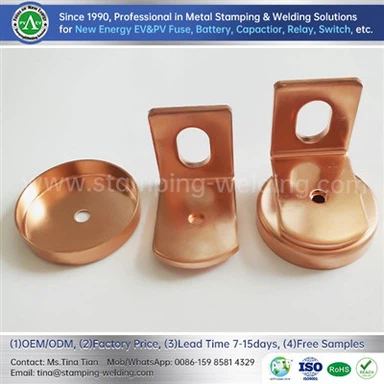
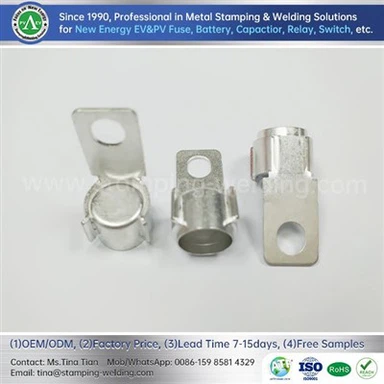
Pipe Caps Metal for New Energy Fuse represents a pivotal advancement in fuse protection technology, specifically tailored for the demands of new energy systems. These meticulously engineered metal caps serve as a crucial element in safeguarding fuses used in renewable energy sources such as solar and wind power. Designed to withstand challenging environmental conditions, these caps provide a protective enclosure that shields fuses from dust, moisture, and physical damage, ensuring their reliability and longevity. By maintaining a controlled environment around the fuse, the Pipe Caps Metal for New Energy Fuse contributes to consistent and uninterrupted power generation, supporting the transition to sustainable energy solutions. In an era characterized by the pursuit of cleaner energy alternatives, these caps exemplify the fusion of innovation and practicality, fortifying the essential components that drive the new energy revolution.
- Fast Delievery
- Quality Assurance
- 24/7 Customer Service
Product Introduction
PRODUCT INTRODUCTION
Pipe Caps Metal for New Energy Fuse represents a pivotal advancement in fuse protection technology, specifically tailored for the demands of new energy systems. These meticulously engineered metal caps serve as a crucial element in safeguarding fuses used in renewable energy sources such as solar and wind power. Designed to withstand challenging environmental conditions, these caps provide a protective enclosure that shields fuses from dust, moisture, and physical damage, ensuring their reliability and longevity. By maintaining a controlled environment around the fuse, the product contributes to consistent and uninterrupted power generation, supporting the transition to sustainable energy solutions. In an era characterized by the pursuit of cleaner energy alternatives, these caps exemplify the fusion of innovation and practicality, fortifying the essential components that drive the new energy revolution.

PRODUCT FUNCTIONS
Pipe Caps Metal for New Energy Fuse serves as critical components that play a pivotal role in enhancing the performance and durability of fuses utilized in renewable energy systems, such as solar and wind power installations. These metal caps offer a range of functions that collectively contribute to the optimal operation of fuses in the context of new energy technologies.
1. Environmental Protection: One of the primary functions of these metal caps is to provide a robust protective barrier around the fuse. They shield the fuse from environmental factors such as dust, moisture, and contaminants that could compromise its performance, particularly in outdoor settings common to renewable energy installations.
2. Mechanical Impact Resistance: The metal caps are designed to withstand physical impacts and potential vibrations that can occur in new energy systems due to wind, machinery, or other external factors. This function ensures that the fuse remains intact and functional, even in demanding conditions.
3. Corrosion Prevention: In outdoor and exposed environments, corrosion can degrade the performance of electrical components. The metal construction of the caps acts as a barrier against corrosion, extending the lifespan of the fuse and ensuring long-term reliability.
4. Temperature Regulation: Renewable energy systems often operate in varying temperature conditions. The metal caps can help regulate the internal temperature of the fuse, preventing overheating or extreme temperature fluctuations that could impact its performance.
5. UV and Weather Resistance: For outdoor installations, exposure to ultraviolet (UV) radiation and changing weather conditions can be detrimental to electrical components. The metal caps offer UV resistance and weatherproofing, maintaining the fuse's integrity over time.
6. Connection Integrity: The metal caps ensure a secure and reliable connection between the fuse and its housing or mounting point. This function is essential to prevent loose connections that could lead to electrical faults.
7. Reducing Arcing and Flashovers: In the event of a fuse failure, the metal caps help contain the potential arcing and flashovers, enhancing safety by minimizing the risk of electrical fires or dangerous sparks.
8. Adaptability and Compatibility: These caps are designed to be compatible with various types and sizes of fuses commonly used in new energy systems. Their adaptability allows them to be integrated seamlessly into different installation scenarios.
9. Maintenance Facilitation: The metal caps simplify maintenance and inspection procedures by providing easy access to the fuse when needed. This feature reduces downtime and enhances the efficiency of system maintenance.
10. Longevity and Reliability: By offering a protective enclosure and enhancing the fuse's resistance to external factors, the metal caps contribute to the longevity and overall reliability of fuses in renewable energy systems, ensuring consistent power generation.

EQUIPMENT
--
1. Metal Forming Machinery: Metal forming equipment, such as hydraulic presses and stamping machines, is used to shape the metal sheets into the desired cap form. This equipment applies controlled force to shape the metal while maintaining accuracy and consistency across each cap produced.
2. Cutting and Shearing Tools: Laser cutting machines, CNC plasma cutters, and precision shearing tools are utilized to precisely cut and shape the metal sheets into the initial form required for further processing. These tools ensure clean and accurate cuts, which are essential for maintaining tight tolerances.
3. CNC Machining Centers: Computer Numerical Control (CNC) machining centers are employed for intricate machining tasks, such as creating threads, holes, and precise contours on the caps. CNC technology ensures high accuracy and repeatability, resulting in consistent dimensions and fit.
4. Welding and Joining Equipment: Welding machines, including TIG (Tungsten Inert Gas) and MIG (Metal Inert Gas) welders, are used to join various parts of the caps securely. Welding ensures the integrity of the caps and maintains their structural strength.
5. Surface Treatment Systems: Surface treatment equipment, such as shot blasting machines and sanders, is used to prepare the metal surfaces before coating or painting. These treatments enhance the adhesion of coatings and improve the overall aesthetics and durability of the caps.
6. Coating and Finishing Machinery: Electrostatic powder coating equipment or painting systems are employed to apply protective coatings or finishes onto the caps. This coating enhances resistance to corrosion, UV radiation, and environmental elements, extending the caps' lifespan.
7. Quality Control Tools: Precision measuring tools such as calipers, micrometers, and coordinate measuring machines (CMMs) are used to ensure that the caps meet stringent dimensional specifications. These tools verify accuracy and quality throughout the production process.
8. Assembly and Testing Stations: Dedicated workstations are used for the assembly of components if the caps have multiple parts. These stations allow for proper fitting and secure assembly. Testing equipment may include pressure and leak testing devices to verify the caps' sealing integrity.
9. Quality Assurance Software: Computerized quality control software is used to track production data, perform statistical analysis, and ensure adherence to quality standards. This software assists in identifying any deviations or inconsistencies during production.

PRODUCT INSPECTION
--
1. Corrosion Resistance Testing: Corrosion resistance testing evaluates the caps' ability to withstand environmental factors that can lead to corrosion and degradation over time. This test typically involves subjecting the caps to accelerated corrosion conditions, such as salt spray, humidity, or cyclic corrosion chambers. After the specified testing period, the caps are examined for signs of corrosion, discoloration, or surface deterioration. This test ensures that the caps can endure harsh outdoor environments commonly encountered in renewable energy installations.
2. Pull-Out Force Testing: Pull-out force testing assesses the strength of the caps' attachment to the fuse housing or mounting point. The caps are subjected to the controlled force applied in the opposite direction of insertion to simulate potential stresses in real-world scenarios. The force required to dislodge the caps is measured, ensuring that they remain securely fastened under operational conditions. This test guarantees that the caps can effectively protect fuses and maintain their position even in situations involving vibrations or mechanical stress.
3. Dimensional Inspection: Dimensional inspection involves using precision measuring instruments, such as calipers, micrometers, and coordinate measuring machines (CMMs), to verify that the caps meet specified dimensions. This inspection ensures that the caps fit accurately onto the fuse housing and align correctly with other components.
4. Visual Inspection: Visual inspection involves a thorough visual assessment of the caps for defects, imperfections, or irregularities in the surface finish, coating, and overall appearance. This inspection ensures that the caps meet aesthetic standards and exhibit a consistent, high-quality finish.
5. Material Analysis: Material analysis, which may involve techniques like spectroscopy or chemical analysis, ensures that the metal used in the caps conforms to specified material standards. This analysis verifies the material's composition, mechanical properties, and suitability for the intended application.
6. Environmental Resistance Testing: In addition to corrosion resistance, environmental resistance testing can include exposure to UV radiation, extreme temperatures, or chemical substances. These tests evaluate the caps' ability to maintain their structural integrity and protective properties in diverse environmental conditions.
7. Seal and Pressure Testing (if applicable): For caps with sealing features, such as gaskets or O-rings, seal and pressure testing may be performed. This test checks the caps' ability to maintain a proper seal under varying pressure conditions, ensuring protection against dust, moisture, and contaminants.
8. Documentation and Reporting: Throughout the inspection process, detailed records and reports are generated to document the results of each test. This documentation serves as evidence of quality assurance and compliance with standards.
OUR CERTIFICATIONS
--
In our company, we take pride in providing high-quality products. Our products have undergone rigorous testing and meet the highest industry standards, and have obtained IATF16949 and ISO9001 certifications.

OUR CUSTOMERS
--
Cooperated with China's top 10 Fuse manufacturers, such as CHINA BUSSMAN, Sinofuse, and Chnbeletc.If you have any intention to cooperate, please feel free to contact us at any time, we will feel very happy!

CONTACT US
--
Our company is focused on top quality Copper End Cap, Fuse Terminal Contacts, (ELECTRICAL VEHICLE) EV Film Capacitor BusBar, (SOLAR POWER) PV Inverter BusBar, Laminated BusBar, Aluminum Cases for new energy batteries, Copper/Brass/Aluminum/Stainless Steel Stamping Parts, and other electrical products Metal Stamping and Welding Assembly for over 18 years in China. We started as a small operation, but now have become one of the leading suppliers in the EV and PV industry in China.
For more information about our product, please contact our team!

Hot Tags: pipe caps metal for new energy fuse, China, manufacturers, suppliers, factory, Fuse Cap, Fuse Knife Contact For Rail Transit, H65 Brass Contact Fuse, Outer Cap, Red Copper Fuse Terminal, Terminal Contact