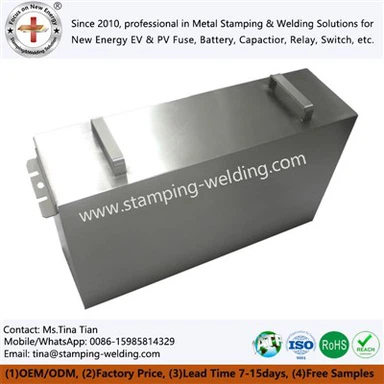
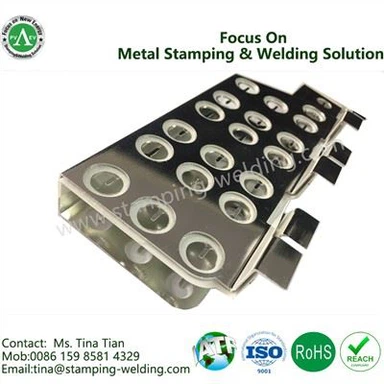
Aluminum Busbars for Power Capactior Application
Apr 30, 2023
Aluminum busbars are commonly used in power capacitor applications due to their high conductivity, low resistance, and excellent thermal properties. The manufacturing process for aluminum busbars for power capacitor application typically involves the following steps:
1- Material Selection: The first step in the manufacturing process is to select the appropriate aluminum alloy for the busbars. The alloy should have high electrical conductivity, low resistance, and good thermal properties to ensure efficient and reliable operation of the power capacitor.
2- Cutting and Shaping: The aluminum alloy is typically cut into the desired size and shape using a cutting machine. The busbars can be shaped into a variety of configurations, including flat, round, or rectangular shapes.
3- Surface Treatment: The surface of the aluminum busbars is typically treated to improve their conductivity and corrosion resistance. The surface can be treated using processes such as anodizing, electroplating, or chemical conversion.
4- Joining: The busbars are joined together using specialized welding techniques such as Tungsten Inert Gas (TIG) welding or resistance welding. The welding process should ensure a strong and reliable connection between the busbars.
5- Inspection: After the busbars are joined, they are inspected for defects such as cracks, porosity, or other imperfections that could affect their performance. Any defects are repaired or the busbars are rejected if they do not meet the required standards.
6- Finishing: The final step in the manufacturing process is to finish the aluminum busbars. The busbars can be coated or painted to provide a protective finish and improve their appearance.
The manufacturing process for aluminum busbars for power capacitor applications requires specialized equipment and skilled operators to ensure high-quality and consistent products. The process should be carefully controlled to ensure that the busbars meet the required specifications for conductivity, resistance, and thermal properties, and are free from defects that could affect their performance.

contact us