Analysis of technological evolution and energy management architecture of smart charging infrastructure
Apr 13, 2026
In an industry context where the number of new energy vehicles exceeds 120 million and the penetration rate of electric two-wheelers continues to rise, charging infrastructure is undergoing a profound transformation from single energy replenishment equipment to intelligent energy nodes. Currently, the Battery management system is no longer limited to basic power transmission functions, but has evolved into a comprehensive system integrating modular architecture, AIoT intelligent hub and energy routing functions. This technological leap realizes a qualitative change from "passive charging" to "active energy management". By integrating the advanced Battery management system, the device can sense and make decisions in real time, becoming a smart hub connecting user terminals and the power grid.
Modular architecture and electrical compatibility design
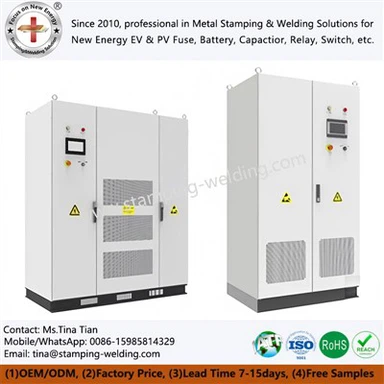
Modern smart charging facilities generally adopt a layered hardware design, such as a "10+4" warehouse layout, aiming to achieve full scene coverage through electrical compatibility innovation. The standard compartment usually supports small equipment such as electric scooters, while the extended compartment can accommodate industrial-grade equipment. This design greatly improves the space utilization and load flexibility of the lithium battery charging cabinet. In terms of electrical standards, the device needs to support wide voltage input (such as 220V±10%) and have built-in inserts compatible with multiple standards to ensure compatibility with most chargers on the market. This highly integrated power supply cabinet achieves maximum service efficiency within a limited floor space and solves the pain point of traditional decentralized piles occupying too much space.
Technology evolution direction and ecological compatibility
Charging cabinets with two-way energy interaction capabilities can be linked with external battery packs through reserved energy storage interfaces to build a "charging + energy storage" microgrid system. Store electric energy when the grid load is low and supply energy in reverse during peak hours, thereby achieving peak shaving and valley filling, and improving energy utilization efficiency. Combining historical charging data with load prediction algorithms, the system can plan charging strategies in advance and optimize equipment operation rhythm. Electric vehicle charging cabinet transformation from passive charging to active dispatch makes the charging cabinet a key node in the energy network, reflecting the core value of Battery Charging Cabinet Power Management.
Facing the future, the technological iteration of the battery management system will focus on improving material heat dissipation efficiency, unifying fast charging protocols, and linking capabilities with external systems. For example, the use of new heat dissipation coatings can maintain performance without degradation for a long time in high temperature environments; promoting compatibility with multiple fast charging standards to achieve "one cabinet charging multiple devices"; at the same time, by connecting to smart home or city management platforms, charging behavior can be coordinated with user schedules, traffic planning and other data to further improve ease of use and social resource utilization.
contact us
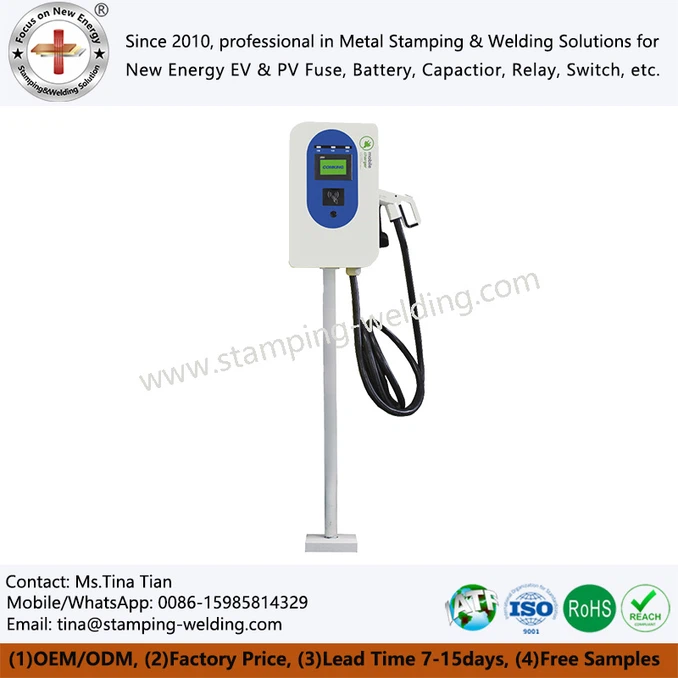
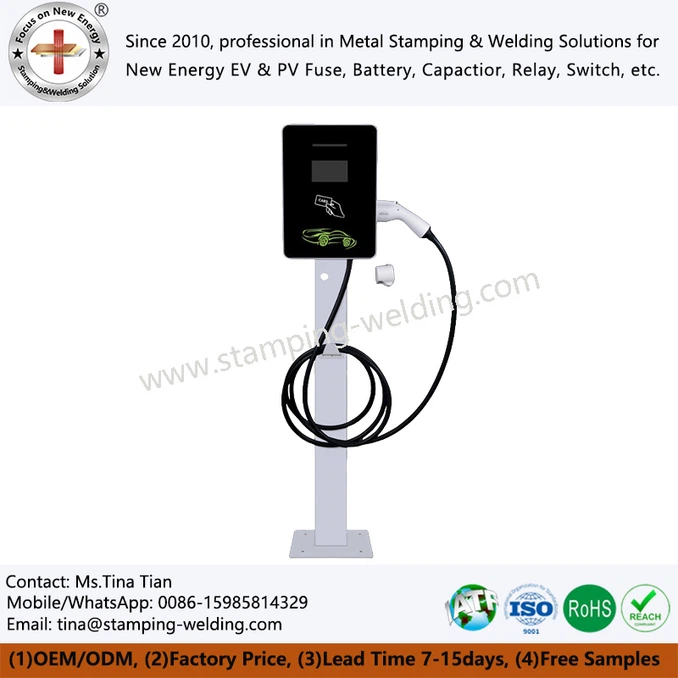
Relying on strong technical research and development capabilities and a deep understanding of industry standards, our company is committed to providing EV charging cabinet solutions to customers around the world. We provide a variety of hardware forms, including floor-standing chargers and wall-mounted chargers, to meet the deployment needs of different scenarios.