What is a capacitor
Mar 28, 2023
A capacitor is an electronic component that stores and releases electrical energy in an electric field. It consists of two conductive plates separated by an insulating material, known as a dielectric. When a voltage potential difference is applied across the plates, an electric field is formed, and the capacitor stores electrical charge on its plates. Capacitors are widely used in electronic circuits for various purposes, such as energy storage, filtering, coupling, timing, and voltage regulation.
Capacitors are passive components, which means they do not produce energy, but rather a store and release it. They are commonly used in a wide range of electronic devices, including power supplies, amplifiers, radios, televisions, computers, electric vehicles, and many other applications.
Capacitors come in various types, sizes, and capacitance values, ranging from picofarads (pF) to farads (F). The capacitance value, voltage rating, and other specifications of a capacitor determine its performance and suitability for different applications. Capacitors can be classified into different types based on their dielectric material, including ceramic, electrolytic, tantalum, film, and others, each with its own advantages, limitations, and specific applications.
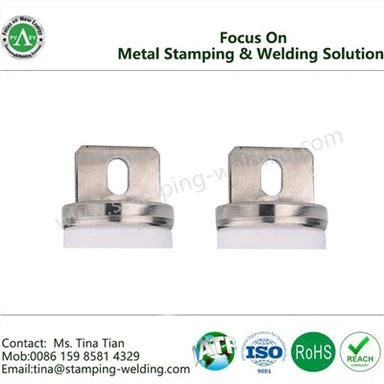
One important type of capacitor is the stainless steel shell capacitor, which utilizes a stainless steel shell as its outer casing. This type of capacitor is known for its durability, corrosion resistance, and mechanical strength, making it suitable for demanding environments and applications where reliability is crucial. The stainless steel shell provides excellent protection for the internal components of the capacitor, ensuring long-term performance and stability.

Stainless steel shell capacitors are commonly used in various industries, including automotive, aerospace, telecommunications, industrial equipment, and renewable energy systems. They are designed to withstand harsh environmental conditions, such as high temperatures, humidity, vibration, and exposure to chemicals, making them ideal for rugged applications. The stainless steel shell also provides electrical shielding, reducing electromagnetic interference (EMI) and improving the overall performance of the capacitor.
In addition to their robust construction, stainless steel shell capacitors offer a wide range of capacitance values, voltage ratings, and other specifications to suit different application requirements. They are available in various capacitor types, such as ceramic, electrolytic, film, tantalum, and others, offering versatility in design and compatibility with different circuit configurations.
Proper selection and use of stainless steel shell capacitors are crucial for ensuring the reliable and efficient operation of electronic systems. Factors to consider include capacitance value, voltage rating, temperature rating, EMI performance, and other specifications, depending on the specific application requirements. Consultation with capacitor manufacturers and engineers can help in choosing the right stainless steel shell capacitor for a particular application.
contact us