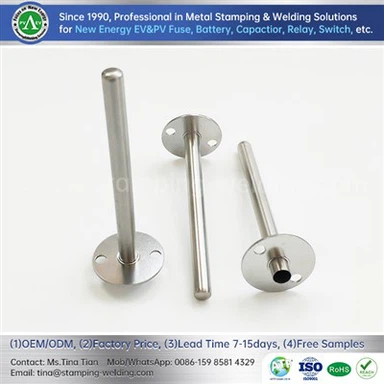


Outer Casing For Seat Sensors
The outer casing for seat sensors is a protective housing integrated into vehicle seats. It safeguards sensors responsible for detecting passenger presence, position, and weight distribution, ensuring they remain undamaged and accurate over time. This component is vital for advanced safety features like airbag deployment and occupant recognition, enhancing overall safety and comfort for vehicle occupants while preserving the longevity of these critical sensors.
- Fast Delievery
- Quality Assurance
- 24/7 Customer Service
Product Introduction
PRODUCT INTRODUCTION
The outer casing for seat sensors is a protective housing integrated into vehicle seats. It safeguards sensors responsible for detecting passenger presence, position, and weight distribution, ensuring they remain undamaged and accurate over time. This component is vital for advanced safety features like airbag deployment and occupant recognition, enhancing overall safety and comfort for vehicle occupants while preserving the longevity of these critical sensors.

PRODUCT FUNCTIONS
--
Sensor Integration: The outer casing is designed to seamlessly integrate various sensors, including pressure sensors and occupant detection sensors, within the seat structure. This integration allows for the accurate monitoring of passenger presence, position, and weight distribution.
Safety Enhancement: By safeguarding these sensors, the outer casing plays a crucial role in the proper functioning of advanced safety systems like airbags and seatbelt tensioners. It ensures that these safety mechanisms are activated with precision, enhancing occupant protection in the event of a collision.
Comfort Features: The data collected by seat sensors, housed within the outer casing, is also used to optimize comfort features in modern vehicles. This includes adjusting seat position, lumbar support, and climate control to create a more pleasant and ergonomic driving experience.
Occupant Recognition: Advanced occupant recognition systems rely on seat sensors to identify passengers and their characteristics, allowing for tailored safety responses, such as adjusting airbag deployment based on the occupant's size and position.
Maintenance and Durability: The outer casing contributes to the overall durability and low-maintenance nature of seat sensor systems. It reduces the need for frequent sensor replacements and maintenance, resulting in cost savings and increased reliability.

MACHINING STEPS
--
Material Selection: The process begins with selecting the appropriate materials for the outer casing. Common materials include plastics (like ABS or polycarbonate) or metals (such as aluminum or steel), chosen for their durability, weight, and compatibility with the sensor components.
Design and Mold Creation: Using CAD (Computer-Aided Design) software, engineers design the casing, considering the specific seat sensor requirements. Once the design is finalized, molds are created for the casing's production.
Surface Treatment: After the casing is formed, it undergoes surface treatment, as mentioned earlier. This step involves cleaning, pre-treatment, primer coating, application of the chosen surface finish (such as powder coating, painting, plating, or anodizing), and curing or drying to achieve the desired appearance and durability.
Sensor Integration: Once the casing is properly treated, it is equipped with the necessary sensors, which are often pressure sensors or occupant detection sensors. These sensors are securely integrated into the casing to ensure accurate and reliable data collection.
Quality Control: Each completed outer casing undergoes thorough quality control checks to verify its dimensions, sensor functionality, and surface finish. This step ensures that every casing meets the required specifications and performance standards.
Assembly: In some cases, multiple components of the seat sensor system are assembled, including the outer casing, sensors, wiring, and connectors. The fully assembled unit is then tested to ensure it functions correctly.
Packaging: The finished outer casings are packaged and prepared for distribution to automotive manufacturers or assembly plants, where they will be integrated into vehicle seating systems.

DERIVATIVE PRODUCTS
--
Mounting Hardware: Brackets, clips, and fasteners designed to securely attach the outer casing to the seat frame or structure, ensuring proper sensor positioning.
Cable Assemblies: Customized wiring harnesses and connectors that facilitate the integration of sensors within the seat and enable data transmission to the vehicle's control systems.
Sealing Gaskets: Gaskets or seals that provide additional protection against moisture, dust, and contaminants, enhancing the casing's environmental resistance.
Sensor Arrays: Advanced seat sensor systems may incorporate arrays of sensors within the casing to capture more detailed data about passenger occupancy and positioning.
Sensor Fusion Software: Software algorithms that process data from multiple sensors to provide more accurate and comprehensive information about seat occupancy and passenger characteristics.
Wireless Communication Modules: Modules that enable wireless communication between the seat sensor system and the vehicle's control systems, allowing for real-time data transmission and integration with other vehicle functions.
Occupant Recognition Systems: Advanced systems that use sensor data to identify and categorize occupants, enabling customized safety responses, such as adaptive airbag deployment.
Diagnostic Tools: Tools and software for testing and diagnosing the performance of the seat sensor system during maintenance or troubleshooting.
Enhanced Safety Systems: Integration with other vehicle safety systems, such as collision avoidance or autonomous driving features, to enhance overall vehicle safety.
about us
Our company is focused on top quality Copper End Cap, Fuse Terminal Contacts, (ELECTRICAL VEHICLE) EV Film Capacitor BusBar, (SOLAR POWER) PV Inverter BusBar, Laminated BusBar, Aluminum Cases for new energy batteries, Copper/Brass/Aluminum/Stainless Steel Stamping Parts, and other electrical products Metal Stamping and Welding Assembly for over 18 years in China. We started as a small operation, but now have become one of the leading suppliers in the EV and PV industry in China.
Please refer to the bottom of the article for specific contact information.

FAQ
--
Q1:What Are Your Certificates?
A2: We have ISO9001 and IATF 16949 certificates.
Q2:Do You Test All Your Goods Before Delivery?
A2: Yes, we have 100% test before delivery.
Q3:How Can I Get A Quotation From Your Company?
A3:In order to quote you ASAP, we need the following information:
1/Detailed drawings(Format:CAD/PDF/DWG/STEP/IGES)
2/Material
3/Quantity
4/Surface treatment
5/Any special packaging or another requirement
Q4:How Long Can I Get A Quotation?
A4:After you send us the product drawing(including material), we can give you the quotation within 4 hours.
Q5: Is Customized Material Available?
A5:Yes, please just offer your detailed requirements or samples.

The outer casing for seat sensors uses deep drawn metal stamping and stamping carbon steel, offering high strength and durability. It is used in automotive seat sensors, providing reliable protection and stability.
Hot Tags: outer casing for seat sensors, China, manufacturers, suppliers, factory