

Enclosures For ABS Sensor
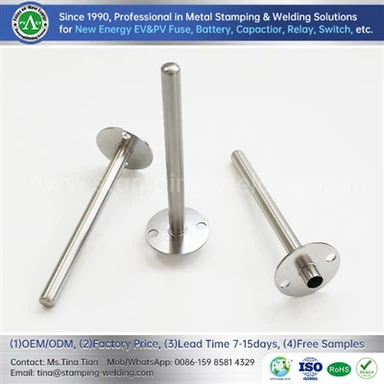
Enclosures for ABS (Anti-lock Braking System) Sensors are protective casings specially designed to house and safeguard the sensitive components of ABS sensors in vehicles. These enclosures are engineered to shield the sensor components from environmental factors like moisture, dirt, road debris, and extreme temperatures, which could otherwise impair sensor functionality. Typically made from durable and weather-resistant materials, such as plastic or metal alloys, these enclosures ensure that ABS sensors continue to operate accurately and reliably, helping to maintain optimal vehicle braking performance and safety, especially in adverse driving conditions.
- Fast Delievery
- Quality Assurance
- 24/7 Customer Service
Product Introduction
PRODUCT INTRODUCTION
Enclosures for ABS (Anti-lock Braking System) Sensors are protective casings specially designed to house and safeguard the sensitive components of ABS sensors in vehicles. These enclosures are engineered to shield the sensor components from environmental factors like moisture, dirt, road debris, and extreme temperatures, which could otherwise impair sensor functionality. Typically made from durable and weather-resistant materials, such as plastic or metal alloys, these enclosures ensure that ABS sensors continue to operate accurately and reliably, helping to maintain optimal vehicle braking performance and safety, especially in adverse driving conditions.

WORKING PRINCIPLE
The working principle of Enclosures for ABS (Anti-lock Braking System) Sensors is rooted in their role as protective barriers for the sensitive components of ABS sensors in vehicles. These enclosures serve two main purposes:
- Environmental Protection: ABS sensors play a critical role in measuring wheel speed and detecting potential wheel lock-ups during braking. However, they are vulnerable to environmental elements like moisture, dirt, road salt, and temperature fluctuations. Enclosures act as shields, preventing these elements from directly contacting the sensor components. This protection ensures that the sensors continue to function accurately, enabling the ABS system to operate effectively.
- Physical Protection: In addition to environmental hazards, ABS sensors can also be exposed to physical damage from road debris, rocks, and other objects encountered during vehicle operation. Enclosures are designed to absorb or deflect such impacts, safeguarding the sensor components from harm. This physical protection is crucial for the longevity and reliability of the ABS system.

WORKSHOP
——
Our company is proud to operate a state-of-the-art production workshop dedicated to the manufacturing of Enclosures for ABS (Anti-lock Braking System) Sensors. Our workshop stands as a testament to our commitment to delivering high-quality, precision-engineered solutions for the automotive industry. Here are the key features of our production workshop:
- Advanced Machinery: Our workshop is equipped with cutting-edge machinery, including precision molding machines, CNC machining centers, and automated assembly lines. These technologies enable us to craft Enclosures for ABS Sensors with utmost precision and consistency.
- Materials Expertise: We employ a deep understanding of materials, selecting high-quality plastics and, in some cases, metal alloys known for their durability and resistance to environmental factors.
- Customization Capabilities: Our production workshop has the flexibility to customize Enclosures to match the specific requirements of various vehicle models and sensor designs, ensuring seamless integration and optimal performance.
- Quality Control: Stringent quality control processes are integrated at every stage of production. Our dedicated quality assurance teams conduct thorough inspections to ensure that dimensions, tolerances, and overall quality align with industry standards and design specifications.
- Environmental Responsibility: We are committed to eco-friendly manufacturing practices, including responsible waste disposal and recycling, to minimize our environmental impact.
- Safety Measures: The highest safety standards are maintained within our workshop to protect our workforce and maintain the integrity of our products. This includes rigorous safety protocols and the use of protective equipment.
- Production Capacity: Our workshop has the capacity to scale production to meet the demands of automotive manufacturers, ensuring timely deliveries for various vehicle production lines.
- Innovation Hub: Our workshop serves as an innovation hub where our skilled engineers continually explore advanced materials and manufacturing techniques to enhance the performance and durability of our products.
- Adherence to Standards: We uphold strict compliance with industry standards and regulations, ensuring that our Enclosures for ABS Sensors meet or exceed safety and quality requirements.
- Documentation: Comprehensive records of the manufacturing process, including test results, measurements, and visual observations, are meticulously maintained as part of our production documentation, ensuring traceability and accountability.

PROCESSING TECHNOLOGY
——
- Material Selection: The process starts with the careful selection of materials known for their durability and resistance to environmental factors. High-quality plastics and, in some cases, metal alloys are typically chosen.
- Material Preparation: Raw materials are prepared for processing, often in the form of granules or pellets. These materials are precisely measured and mixed to ensure consistency.
- Cooling and Solidification: After injection, the material rapidly cools and solidifies within the mold, taking on the desired shape. Controlled cooling times ensure uniform part quality.
- Ejection: Once solidified, the molded enclosures are automatically ejected from the molds. This process is carefully controlled to prevent damage to the parts.
- Stamping (if applicable): In cases where stamped features are needed, such as openings for connectors or mounting points, stamping processes are employed. Precision dies and presses create these features with high accuracy.
- Welding (if applicable): If the design requires multiple parts to be joined together, welding processes are employed. Techniques like ultrasonic welding or solvent welding may be used to securely bond the enclosure components, ensuring a watertight seal.
- Machining and Finishing (if applicable): Some enclosures may require additional machining or finishing processes to refine surfaces or create specific features for assembly.
- Quality Control: Stringent quality control checks are conducted at various stages of production. These checks verify that dimensions, tolerances, and overall quality align with design specifications and industry standards.
- Environmental Testing: Selected enclosures may undergo environmental testing to ensure they can withstand conditions like extreme temperatures, humidity, and exposure to chemicals without degradation.
- Assembly (if applicable): In certain cases, enclosures may undergo assembly processes to incorporate seals, gaskets, or other components that enhance their environmental resistance and durability.
- Surface Treatments (if applicable): Surface treatments, such as coatings or textures, may be applied to enhance the enclosure's appearance, improve grip, or add resistance to wear and tear.
- Packaging: Finished enclosures are carefully packaged to protect them during transportation and storage, ensuring they arrive at their destination in optimal condition.
- Documentation: Detailed records of the manufacturing process, including materials used, quality control results, and any post-production treatments, are maintained for traceability and quality assurance.

DERIVATIVE PRODUCTS
——
- Sealing Gaskets and O-Rings: These components provide an additional layer of protection by ensuring a watertight seal between the sensor enclosure and the vehicle's mounting surface. They guard against moisture intrusion and contaminants, preserving the integrity of the ABS sensors.
- Mounting Brackets and Hardware: Mounting brackets and hardware are designed to securely attach the ABS sensor enclosures to the vehicle's suspension or chassis. They provide stability and alignment, essential for accurate sensor readings.
- Cable Harnesses: Cable harnesses are designed to route the sensor's wiring safely and neatly, protecting it from physical damage and environmental exposure. They ensure reliable electrical connections to the vehicle's ABS control unit.
- Sensor Extension Cables: In some applications, sensor extension cables may be necessary to bridge the gap between the sensor enclosure and the ABS control unit. These cables maintain signal integrity and electrical continuity.
- Sensor Calibration Kits: Calibration kits may be provided to fine-tune sensor parameters and ensure accurate readings, especially when replacing or repositioning ABS sensors.
- Dust Covers: Dust covers or protective shields may be added to sensor enclosures to further shield them from road debris, dirt, and particulate matter. These covers help prevent sensor contamination.
- Repair Kits: Repair kits can include replacement components such as seals, gaskets, and mounting hardware, allowing for the refurbishment of damaged or worn ABS sensor enclosures, and extending their service life.
- Anti-Vibration Mounts: In off-road or heavy-duty vehicle applications, anti-vibration mounts are used to isolate ABS sensors from engine and chassis vibrations, ensuring stable and accurate readings.
- Sensor Diagnostic Tools: Diagnostic tools and equipment may be offered to assess the health and functionality of ABS sensors, aiding in troubleshooting and maintenance.
- Integration Solutions: Some derivatives focus on integrating ABS sensor data with other vehicle systems, such as the vehicle's onboard diagnostics (OBD) or telematics systems, allowing for advanced monitoring and diagnostics.
- Sensor Wiring Harness Kits: These kits provide complete wiring solutions for ABS sensor installations, ensuring compatibility and ease of installation.
- Customized Solutions: Manufacturers often offer customization services to tailor derivative products to specific vehicle makes and models, ensuring seamless integration and optimal performance.
Our company is focused on top quality Copper End Cap, Fuse Terminal Contacts, (ELECTRICAL VEHICLE) EV Film Capacitor BusBar, (SOLAR POWER) PV Inverter BusBar, Laminated BusBar, Aluminum Cases for new energy batteries, Copper/Brass/Aluminum/Stainless Steel Stamping Parts, and other electrical products Metal Stamping and Welding Assembly for over 18 years in China. We started as a small operation, but now have become one of the leading suppliers in the EV and PV industry in China.
If there is any need, please contact us. Please drag the specific contact information to the bottom, and we will reply as soon as possible!

FAQ
——
Q1:Can I Order Custom Products?
A1:Yes, we offer customization options to meet specific requirements.
Q2:What Are Your Certificates?
A2: We have ISO9001, and IATF 16949 certificates.
Q3:Do You Test All Your Goods Before Delivery?
A3: Yes, we have 100% test before delivery.
Q4:How Can I Get A Quotation From Your Company?
A4:In order to quote you asap, we need the following information:
1/Detailed drawings(Format:CAD/PDF/DWG/STEP/IGES)
2/Material
3/Quantity
4/Surface treatment
5/Any special packaging or another requirement
Q5:How Long Can I Get A Quotation?
A5:After you send us the product drawing(including material), we can give you the quotation within 4 hours.
Q6: Is Customized Material Available?
A6:Yes, please just offer your detailed requirements or samples.
OUR CERTIFICATIONS

CONTACT US
——

Hot Tags: enclosures for abs sensor, China, manufacturers, suppliers, factory