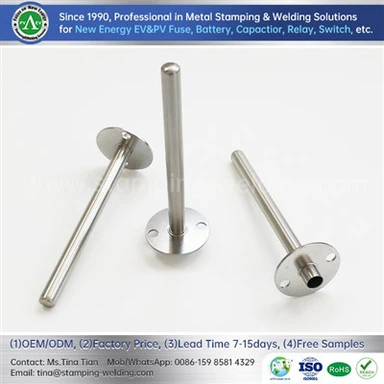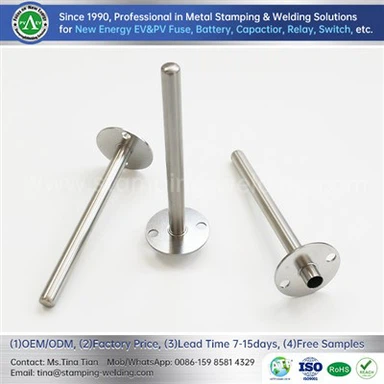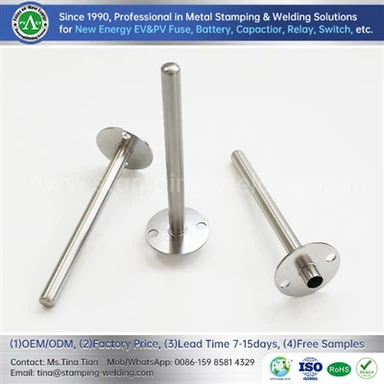


Sensor Housing For The Photosensitive Sensor
A sensor housing for a photosensitive sensor is a protective and functional enclosure designed to shield the delicate sensor components from external elements while allowing it to efficiently capture light. This housing typically consists of durable materials, such as metal or high-grade plastic, to withstand harsh environmental conditions and mechanical stress. The design of the housing ensures precise alignment and positioning of the photosensitive sensor, optimizing its light-gathering capabilities. Additionally, the housing incorporates optical elements, such as lenses or filters, to focus or modify the incoming light, enabling the sensor to capture accurate and reliable data. With meticulous attention to design and manufacturing, the sensor housing plays a crucial role in safeguarding the sensor's longevity and performance, making it an essential component in a wide range of applications, including cameras, industrial equipment, scientific instruments, and automotive sensing systems.
- Fast Delievery
- Quality Assurance
- 24/7 Customer Service
Product Introduction
PRODUCT INTRODUCTION
A sensor housing for a photosensitive sensor is a protective and functional enclosure designed to shield the delicate sensor components from external elements while allowing it to efficiently capture light. This housing typically consists of durable materials, such as metal or high-grade plastic, to withstand harsh environmental conditions and mechanical stress. The design of the housing ensures precise alignment and positioning of the photosensitive sensor, optimizing its light-gathering capabilities. Additionally, the housing incorporates optical elements, such as lenses or filters, to focus or modify the incoming light, enabling the sensor to capture accurate and reliable data. With meticulous attention to design and manufacturing, the product of stainless steel stamping plays a crucial role in safeguarding the sensor's longevity and performance, making it an essential component in a wide range of applications, including cameras, industrial equipment, scientific instruments, and automotive sensing systems.

PRODUCT ADVANTAGES
--
Protection from Environmental Elements: Sensor housing acts as a protective barrier, safeguarding the delicate photosensitive sensor from dust, moisture, humidity, and other environmental contaminants. This protection is especially critical in outdoor or industrial settings where the sensor may be exposed to harsh conditions that could otherwise impair its functionality.
Mechanical Durability: The housing is typically constructed from robust materials like metal or high-grade plastic, providing mechanical strength and resistance to impact, vibration, and mechanical stress. This durability is essential, particularly in applications involving moving machinery or transportation, where the sensor may encounter physical shocks.
Precision Alignment and Positioning: The product is designed to ensure precise alignment and positioning of the photosensitive sensor. Proper alignment is vital for the accurate and consistent capture of light, especially in high-precision applications like scientific instruments, optical sensors, and imaging devices.
Optical Enhancement: Some sensor housings incorporate optical elements, such as lenses, filters, or diffusers. These elements help optimize the sensor's light-gathering capabilities, enhance sensitivity, or tailor the spectral response to specific requirements. Optical enhancements contribute to improved image quality, accuracy, and versatility in diverse sensing applications.
Thermal Management: This product of Stainless Steel Stamping Parts may include thermal management features, such as heat sinks or vents, to dissipate excess heat generated by the sensor during operation. Proper thermal management ensures the sensor remains within its operating temperature range, preventing overheating and potential damage.

PRODUCT APPLICATIONS
The product finds diverse application areas across various industries and sectors where accurate light sensing and reliable data capture are essential.
- Imaging and Photography: In digital cameras, camcorders, and surveillance systems, this kind sensor of Metal Stamping protects the photosensitive sensor, such as CMOS or CCD sensors, from physical damage and environmental factors. Proper housing ensures precise alignment of the sensor, contributing to high-quality image and video capture.
- Industrial Automation: Photosensitive sensors, often used in industrial automation for object detection, presence sensing, and quality control, require robust housing to withstand harsh industrial environments. The housing protects sensors from dust, moisture, and mechanical stress, ensuring reliable and consistent operation.
- Scientific Instruments: In scientific research applications, sensor housing is critical for optical sensors and spectrographs. It helps maintain precise alignment and positioning, contributing to accurate data collection for spectroscopy, astronomy, and other scientific analyses.
- Automotive Sensing Systems: In automotive applications, the product is used for light sensors, such as ambient light sensors and rain sensors, which play a vital role in adaptive lighting systems and automatic wiper control. The housing protects these sensors from weather elements, enabling reliable performance.
- Robotics and Drones: In robotics and drone applications, it protects photosensitive sensors used for navigation, obstacle detection, and environmental sensing. The housing ensures proper alignment and protects the sensors during movements and flights.
- Agriculture: Photosensitive sensors are employed in precision agriculture for crop monitoring and optimization. The housing protects the sensors from dust, debris, and adverse weather conditions in outdoor farming environments.

PRODUCTION TECHNOLOGY
- Sheet Metal Stamping: Sheet metal stamping is a common method used to produce sensor housing with relatively simple shapes. In this process, flat sheets of metal, such as aluminum or steel, are placed into stamping presses that use dies to cut and shape the metal into the desired housing design. Sheet metal stamping offers cost-effectiveness for large production runs and allows for rapid production.
- Injection Molding: Injection molding is a technique primarily used for plastic sensor housing production. Molten plastic is injected into a mold cavity and then cooled and solidified to form the housing. Injection molding offers high production efficiency, cost-effectiveness for large volumes, and the ability to incorporate intricate designs and features.
- Die Casting: Die casting is commonly used for producing products from metals with high melting points, such as zinc, aluminum, or magnesium. Molten metal is injected under pressure into a mold, allowing for rapid cooling and solidification. Die casting provides high production rates and precise dimensional control.
- Welding: Welding is a joining process used to assemble different components of the sensor housing. Various welding methods, such as laser welding, TIG welding, or MIG welding, may be employed depending on the materials and design requirements. Welding ensures a strong and secure connection between housing components.
- Adhesive Bonding: Adhesive bonding is an alternative joining method for sensor housing components, especially when welding may not be suitable or when a seamless appearance is desired. High-performance adhesives provide durable and reliable bonding of materials like metal, plastic, or glass.
- Surface Treatment: Surface treatments, such as painting, anodizing, powder coating, or plating, are applied to the sensor housing to improve its appearance, durability, and resistance to corrosion. Surface treatments also help to enhance the housing's resistance to environmental factors.
- Sealing and Gasketing: In certain applications, the product requires sealing to provide protection against dust, moisture, and other environmental elements. Rubber gaskets or O-rings are commonly used to create a watertight and airtight seal.

PACKAGING AND SHIPPING:
To package and transport products effectively, a careful and systematic approach is essential. Begin by selecting appropriate packaging materials such as corrugated cardboard boxes, bubble wrap, and foam inserts to safeguard the delicate components during transit. Individually wrap each sensor housing with protective materials to prevent scratches and ensure safe handling. Create cushioning layers using foam or bubble wrap at the bottom of the shipping box to absorb any shocks during transportation. For bulk shipments, consider using dividers or partitions to keep individual units separate and secure. Clearly label the package with "Fragile" and "Handle with Care" markings, and provide handling instructions if needed. For sensitive electronic components, incorporate antistatic measures like antistatic bags to prevent electrostatic discharge. Seal the package securely with packaging tape and opt for reputable shipping methods that offer tracking and insurance options. Include necessary shipping documents and quality control checks to ensure that the sensor housing arrives in pristine condition, ready to deliver optimal performance to the end users.
WELCOME TO COOPERATE
--
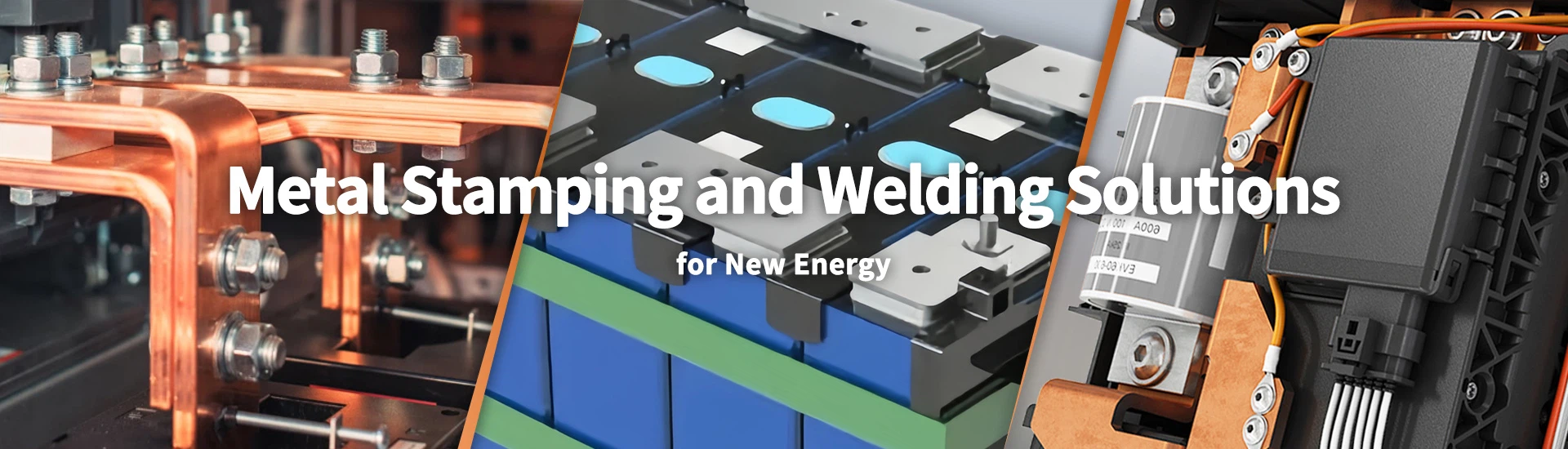
Our company is focused on top quality Copper End Cap, Fuse Terminal Contacts, (ELECTRICAL VEHICLE) EV Film Capacitor BusBar, (SOLAR POWER) PV Inverter BusBar, Laminated BusBar, Aluminum Cases for new energy batteries, Copper/Brass/Aluminum/Stainless Steel Stamping Parts, and other electrical products Metal Stamping and Welding Assembly for over 18 years in China. We started as a small operation, but now have become one of the leading suppliers in the EV and PV industry in China.
If you have any needs, please feel free to contact us and we will reply as soon as possible!

Sensor Housing For The Photosensitive Sensor features high-quality stainless steel, utilizing Progressive Die Heavy Metal Stamping for durability. The stainless steel stamping parts ensure precision, while Metal Stamping technology enhances production efficiency, making it ideal for electronic applications.
Hot Tags: sensor housing for the photosensitive sensor, China, manufacturers, suppliers, factory