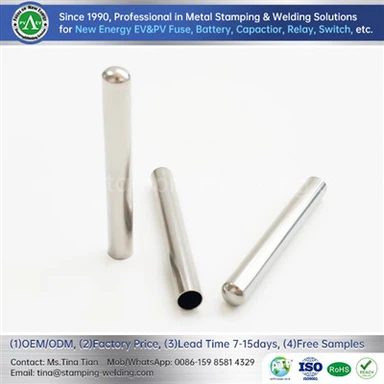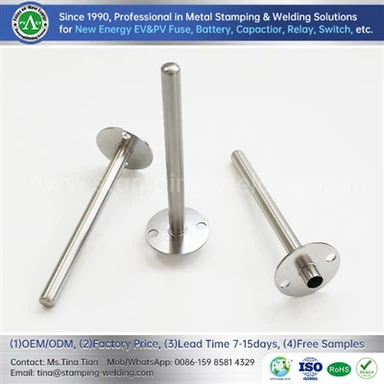


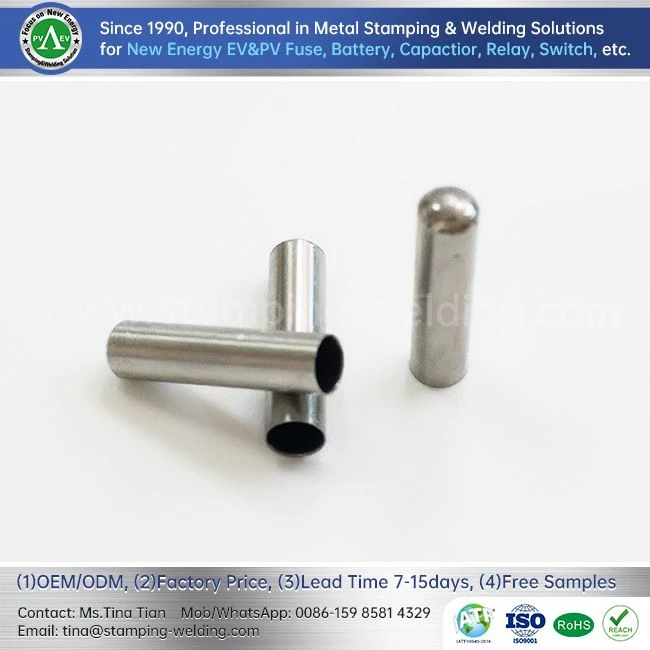
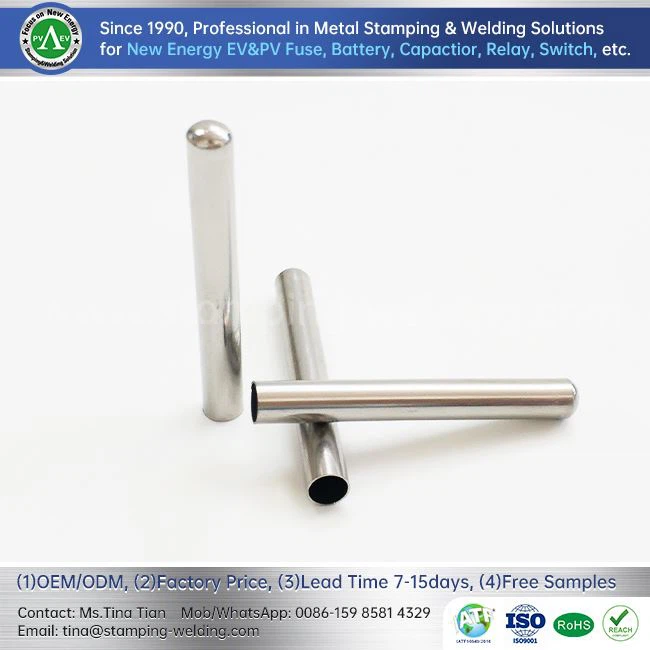

Housing For Displacement Sensor
The Housing for Displacement Sensor represents a fundamental innovation in sensor technology, designed to optimize the performance and reliability of displacement measurement across a wide range of applications. This intricately engineered housing provides a protective enclosure for sensitive displacement sensors, shielding them from external elements that could compromise accuracy, such as dust, moisture, and mechanical stress. By maintaining a controlled environment around the sensor, this component ensures consistent and precise measurements, enabling industries such as manufacturing, automation, robotics, and quality control to achieve unparalleled levels of precision in displacement detection and position monitoring. In a landscape driven by advanced technology and data-driven decision-making, the Housing for Displacement Sensor embodies the intersection of design sophistication and practical utility, facilitating excellence in measurement and contributing to the advancement of modern industries.
- Fast Delievery
- Quality Assurance
- 24/7 Customer Service
Product Introduction
PRODUCT INTRODUCTION
The Housing for Displacement Sensor represents a fundamental innovation in sensor technology, designed to optimize the performance and reliability of displacement measurement across a wide range of applications. This intricately engineered housing provides a protective enclosure for sensitive displacement sensors, shielding them from external elements that could compromise accuracy, such as dust, moisture, and mechanical stress. By maintaining a controlled environment around the sensor, this component ensures consistent and precise measurements, enabling industries such as manufacturing, automation, robotics, and quality control to achieve unparalleled levels of precision in displacement detection and position monitoring. In a landscape driven by advanced technology and data-driven decision-making, the product embodies the intersection of design sophistication and practical utility, facilitating excellence in measurement and contributing to the advancement of modern industries.

PRODUCT MATERIALS
Housing for placement sensors can be made from a variety of materials, and the choice of material depends on the specific application, environmental conditions, and performance requirements of the sensor. Some common materials used for the product include:
-
Stainless Steel:
Stainless steel is widely used for the product, particularly in applications requiring high mechanical strength and corrosion resistance.
It is well-suited for outdoor and industrial environments where exposure to harsh conditions or chemicals is a concern.
Stainless steel housings provide excellent protection for sensors and ensure their long-term reliability.
-
Aluminum:
Aluminum is a lightweight material that offers good strength and moderate corrosion resistance.
It is commonly used in the product for applications where weight is a factor or in the automotive and aerospace industries.
Aluminum housings are often preferred for their thermal conductivity, which aids in heat dissipation from the sensor.
-
Brass:
Brass is sometimes used in the product, especially in applications where a combination of mechanical strength and aesthetics is important.
It offers decent corrosion resistance and is commonly used for indoor sensors or decorative installations.
-
Ceramics:
Ceramics are used in the product in high-temperature or chemically aggressive environments where other materials might not be suitable.
They offer excellent thermal and chemical resistance.
-
Composite Materials:
Composite materials, such as fiberglass-reinforced polymers, offer a balance of strength and lightweight properties.
They can provide excellent protection for sensors in rugged environments.
-
Plastic (Polymers):
Plastic is a popular choice for sensor housing due to its versatility, lightweight nature, and cost-effectiveness.
It offers good resistance to corrosion, making it suitable for indoor and some outdoor applications.
Plastics can be molded into various shapes and sizes, allowing for customized sensor housing designs.
Different types of plastics may provide additional properties like flame resistance, UV resistance, or electrical insulation.

PRODUCT APPLICATIONS
1. Manufacturing and Quality Control: In manufacturing processes, the housing is employed to protect displacement sensors used for measuring tolerances, thicknesses, and dimensions of components. By maintaining sensor accuracy, it contributes to consistent product quality, reducing defects and minimizing wastage.
2. Automation and Robotics: The housing finds application in industrial robots and automated machinery for position monitoring, alignment, and assembly tasks. By safeguarding displacement sensors against environmental factors, it ensures precise measurements and reliable automation processes.
3. Aerospace and Aviation: In aerospace engineering, housing is vital for displacement sensors used in aircraft maintenance, structural integrity assessments, and engine testing. The housing's protective capabilities enable accurate displacement measurements in demanding aviation environments.
4. Automotive Engineering: In the automotive sector, housing is utilized for displacement sensors in suspension systems, engine components, and brake systems. These sensors aid in precise measurements of components' movements, contributing to enhanced vehicle performance and safety.
5. Medical Devices and Healthcare: In medical imaging equipment, the housing protects displacement sensors used for measuring body deformations, tissue movements, and bone alignments. These sensors contribute to accurate diagnostic imaging and patient care.
6. Civil Engineering and Infrastructure: The housing plays a role in monitoring structural displacements in buildings, bridges, and dams. By enabling accurate measurements, it contributes to the early detection of deformations, ensuring the safety of critical infrastructure.
7. Research and Development: In scientific research, the housing supports displacement sensors used in experiments involving material properties, mechanical behavior, and vibration analysis. The housing's protection ensures accurate data collection in various research domains.
8. Electronics Manufacturing: In electronics production, the housing facilitates the measurement of precise alignments and distances during circuit assembly. It ensures accurate soldering, component placement, and overall electronic product quality.
9. Renewable Energy Systems: In wind turbines and solar tracking systems, the housing protects displacement sensors that monitor position adjustments and alignment of components. This contributes to efficient energy capture and system optimization.
10. Robotics and Prosthetics: In robotics and prosthetic devices, the housing is essential for accurate measurements of limb movements and joint positions. This enables the creation of responsive and precise robotic systems and enhances the functionality of prosthetics.

PRODUCT EQUIPMENT
- CNC Machining Centers:
We have a range of computer numerical control (CNC) machining centers that offer precise machining capabilities for sensor housing customization. CNC machining ensures tight tolerances and allows for complex designs to be achieved efficiently.
- Sheet Metal Fabrication:
Our sheet metal fabrication area is equipped with advanced machinery for cutting, bending, and welding metal sheets to create robust and durable sensor housing.
- CNC Lathes:
CNC lathes play a crucial role in manufacturing housing components that require turning and threading operations. This equipment ensures smooth and precise finishes for housing parts.
- Metal Stamping Presses:
For high-volume production of sensor housing components, we utilize metal stamping presses. These presses efficiently form and shape metal sheets into desired shapes with consistent quality.
- Surface Treatment and Finishing:
We have dedicated facilities for surface treatment and finishing processes, such as painting, powder coating, anodizing, and plating. These treatments enhance the sensor housing's appearance and provide additional protection against corrosion and wear.
- Assembly and Testing Stations:
Our assembly area is equipped with specialized workstations where skilled technicians meticulously assemble sensor housing components to ensure precise fit and function.
We conduct thorough testing and inspection of the completed sensor housing to verify its mechanical integrity, sealing effectiveness, and environmental resistance.
- Design and Prototyping:
We offer comprehensive design and prototyping capabilities, allowing us to collaborate with our clients to develop customized sensor housing solutions that meet their specific requirements.
- Quality Control and Assurance:
Quality is at the heart of our manufacturing process. We have stringent quality control procedures to ensure that each sensor housing meets the highest standards of durability, precision, and performance.

QUALITY ASSURANCE
——
We always put quality first and strictly follow ISO9001 and IATF16949 certification standards. Through multiple quality inspection procedures, we ensure that each product meets high standards and provides reliable quality assurance.

CONTACT US
——
If you have any need, please feel free to contact us!

Hot Tags: housing for displacement sensor, China, manufacturers, suppliers, factory