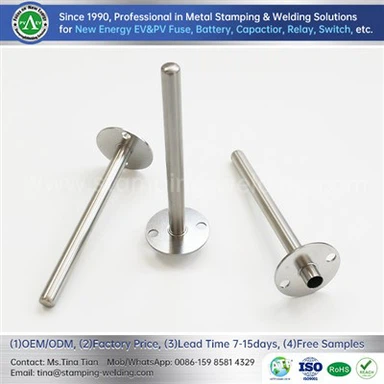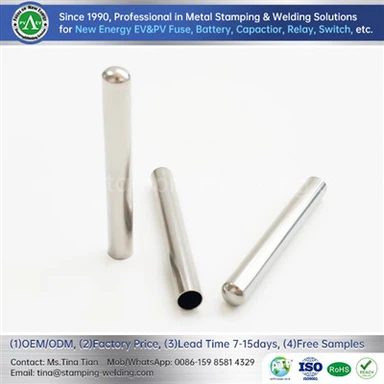


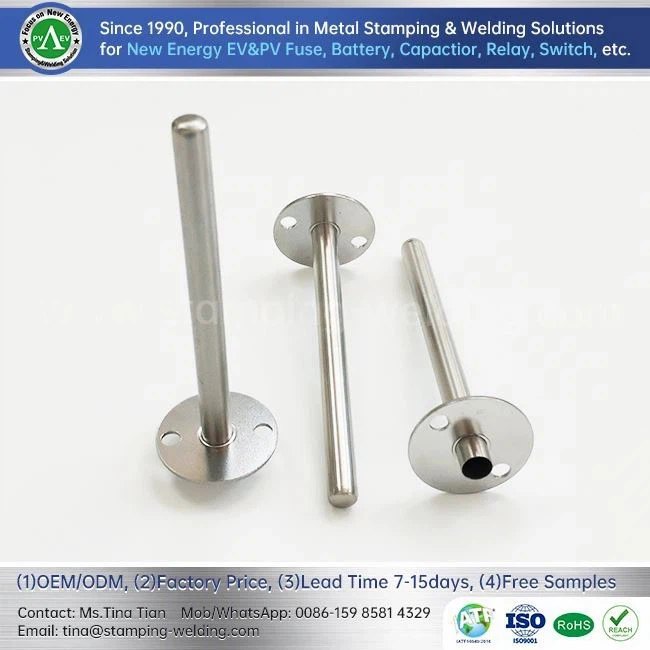


Sensor Housing For Pressure Sensor
A sensor housing for pressure sensors is a protective enclosure designed to safeguard the pressure sensor's sensitive components. It plays a crucial role in maintaining the accuracy and reliability of pressure measurements by shielding the internal sensing element from harsh environmental conditions such as dust, moisture, chemicals, and physical damage. The housing ensures that the pressure sensor can withstand extreme temperatures, humidity, and exposure to corrosive substances, making it suitable for various industrial, automotive, medical, and consumer applications. Additionally, the housing may provide EMI/RFI shielding to enhance the sensor's overall performance. By considering factors like application environment, IP rating, mounting options, and connector management during design, the sensor housing ensures the long-term functionality and durability of pressure sensors in diverse operating environments.
- Fast Delievery
- Quality Assurance
- 24/7 Customer Service
Product Introduction
PRODUCT INTRODUCTION
A sensor housing for pressure sensors is a protective enclosure designed to safeguard the pressure sensor's sensitive components. It plays a crucial role in maintaining the accuracy and reliability of pressure measurements by shielding the internal sensing element from harsh environmental conditions such as dust, moisture, chemicals, and physical damage. The housing ensures that the pressure sensor can withstand extreme temperatures, humidity, and exposure to corrosive substances, making it suitable for various industrial, automotive, medical, and consumer applications. Additionally, the housing may provide EMI/RFI shielding to enhance the sensor's overall performance. By considering factors like application environment, IP rating, mounting options, and connector management during design, the sensor housing ensures the long-term functionality and durability of pressure sensors in diverse operating environments.

PRODUCT FUNCTIONS
In addition to the traditional functions mentioned earlier, a sensor housing for pressure sensors can incorporate novel features to enhance its overall functionality. Some of these unique functions include:
- Self-Cleaning Mechanism: The sensor housing can be designed with a self-cleaning mechanism to prevent the accumulation of dirt, dust, or debris on the sensor's sensitive elements. This could involve the use of hydrophobic or oleophobic coatings that repel contaminants or a mechanical system that periodically clears the sensor surface.
- Thermal Management: To address temperature fluctuations in extreme environments, the sensor housing may include an integrated thermal management system. This could consist of heat sinks, thermoelectric cooling elements, or phase-change materials to regulate the temperature around the sensor and maintain its accuracy.
- Energy Harvesting: A novel sensor housing might incorporate energy harvesting technologies to power the pressure sensor autonomously. For example, it could integrate piezoelectric materials that generate electrical energy from mechanical vibrations in the surrounding environment.
- Adaptive Material Properties: The housing could be made from smart materials that change their physical properties in response to environmental conditions. This adaptability allows the housing to optimize its protective capabilities based on factors like temperature, humidity, or exposure to specific substances.
- Wireless Communication: Modern sensor housings might include wireless communication capabilities, enabling real-time data transmission without the need for physical connections. This could be achieved through technologies like Bluetooth, Zigbee, or other low-power communication protocols.
- Embedded Environmental Sensors: Some advanced sensor housings may include additional environmental sensors, such as temperature, humidity, or gas sensors, to provide supplementary data that enhances the accuracy and context of pressure measurements.
- Structural Health Monitoring: In certain applications, the housing itself can be equipped with sensors to monitor its structural integrity. This allows for proactive maintenance and replacement when necessary, ensuring the ongoing protection of the pressure sensor.
- Dynamic Shape Adaptation: In scenarios where the pressure sensor is subject to variable pressure distributions, the sensor housing could incorporate elements that dynamically adapt its shape to optimize pressure sensing accuracy across different regions.

PRODUCT APPLICATIONS
The Sensor Housing for Pressure Sensors finds novel applications where standard pressure sensor housings may not be suitable due to unique environmental or operational requirements. These novel applications include:
1. Extreme Environment Monitoring: In industries such as aerospace, deep-sea exploration, or space missions, pressure sensors often encounter extreme conditions like high temperatures, high pressures, or exposure to corrosive chemicals. A novel sensor housing can be designed to withstand such extreme environments, ensuring accurate and reliable pressure measurements in these challenging settings.
2. Biomedical Implants: Pressure sensors are increasingly being used in biomedical implants, such as artificial organs or smart prosthetics, to monitor physiological pressures within the body. A specialized sensor housing is crucial to ensure biocompatibility, protection from body fluids, and long-term reliability without triggering immune responses.
3. Flexible and Wearable Devices: The rise of flexible electronics and wearable devices has opened up new opportunities for pressure sensors in applications like smart clothing, health monitoring patches, or wearable medical devices. A novel sensor housing needs to be lightweight, flexible, and comfortable, allowing seamless integration into these wearable devices.
4. Nanotechnology and Microfluidics: In microfluidic systems and nanotechnology research, pressure sensors play a critical role in measuring tiny pressures and fluid flow. The sensor housing must be designed with precision to minimize interference with fluid dynamics and maintain accurate readings in these miniature environments.
5. Harsh Chemical and Petrochemical Industries: In chemical processing or petrochemical industries, pressure sensors encounter aggressive chemicals and harsh conditions. A novel sensor housing should be resistant to chemical corrosion, high temperatures, and potentially explosive atmospheres, ensuring the safety and accuracy of pressure measurements.
6. Structural Health Monitoring (SHM): In SHM applications for bridges, buildings, or infrastructure, pressure sensors can help monitor structural integrity. The novel housing needs to be durable, weather-resistant, and capable of withstanding constant exposure to environmental elements while providing accurate long-term data.
7. Oceanographic and Subsea Applications: For underwater or oceanographic exploration, pressure sensors need to withstand high water pressures and harsh conditions. A novel sensor housing must be designed to prevent water ingress, corrosion, and damage, enabling precise pressure measurements in deep-sea environments.
8. Smart Agriculture: In precision agriculture, pressure sensors are used to monitor soil moisture, irrigation systems, and plant health. A novel housing should protect the sensor from soil and environmental contaminants while being easily deployable and resistant to harsh outdoor conditions.
9. Autonomous Vehicles: Pressure sensors are essential in autonomous vehicles for monitoring tire pressure and vehicle dynamics. A novel sensor housing must ensure reliability, withstand vibrations, and protect the sensor from road debris and extreme weather conditions.

FAQ
Q1: Are your Sensor Housing For Pressure Sensor products customizable for specific applications?
A1: Absolutely! We offer customization options for our sensor housings to meet the unique requirements of different applications.
Q2: Are Your Sensor Housing Compatible With All Types of Sensors?
A2: Our sensor housings are designed to be compatible with a wide range of sensors. Please consult our technical team for specific compatibility inquiries.
Q3: What Are Your Certificates?
A3: We have RoHS, ISO9001, and IATF 16949 certificates.
Q4: Do You Test All Your Goods Before Delivery?
A4: Yes, we have 100% test before delivery.
Q5: How can I Get A Quotation From Your Company?
A5: In order to quote you asap, we need the following information:
1/Detailed drawings(Format:CAD/PDF/DWG/STEP/IGES)
2/Material
3/Quantity
4/Surface treatment
5/Any special packaging or another requirement
Q6: How Long Can I Get A Quotation?
A6: After you send us the product drawing(including material), we can give you the quotation within 4 hours.
Q7: Can you provide samples?
A7: Yes, please provide your detailed requirements.
Q8: How can I request a quote or place an order for your Sensor Housing For Pressure Sensor products?
A8:To request a quote or place an order, please contact our sales team through our website, email, or phone. We will be happy to assist you and provide the necessary information.
QUALITY ASSURANCE
We always put quality first and strictly follow ISO9001 and IATF16949 certification standards. Through multiple quality inspection procedures, we ensure that each product meets high standards and provides reliable quality assurance.

CONTACT US
If you have any need, please feel free to contact us!

The sensor housing for pressure sensors is made from high-strength, corrosion-resistant materials using injection molding techniques. It is primarily used to protect the internal components of the sensor, ensuring measurement accuracy, and is widely used in industrial and automotive applications.
Hot Tags: sensor housing for pressure sensor, China, manufacturers, suppliers, factory