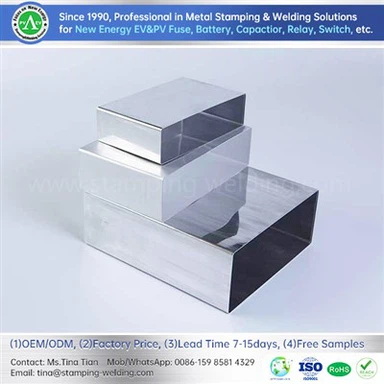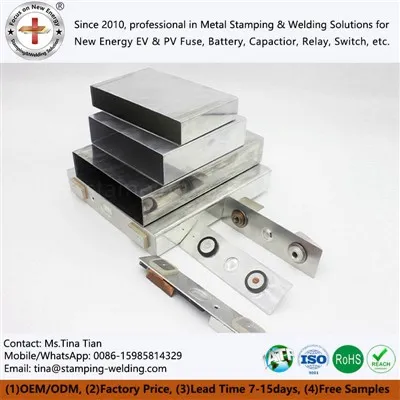


Aluminum Battery Outer Casing Structure
The Aluminum Battery Outer Casting Structure is a key component in battery systems, particularly in electric vehicles and renewable energy storage solutions. This structure is typically crafted from lightweight and corrosion-resistant aluminum. Its primary function is to house and protect the battery cells, control electronics, and cooling systems. Its robust yet lightweight design ensures efficient heat dissipation, structural integrity, and protection for the battery pack. It plays a vital role in maintaining the stability and safety of the battery, contributing to the overall performance and longevity of electric vehicles and energy storage systems.
- Fast Delievery
- Quality Assurance
- 24/7 Customer Service
Product Introduction
PRODUCT INTRODUCTION
The Aluminum Battery Outer Casting Structure is a key component in battery systems, particularly in electric vehicles and renewable energy storage solutions. This structure is typically crafted from lightweight and corrosion-resistant aluminum. Its primary function is to house and protect the battery cells, control electronics, and cooling systems. Its robust yet lightweight design ensures efficient heat dissipation, structural integrity, and protection for the battery pack. It plays a vital role in maintaining the stability and safety of the battery, contributing to the overall performance and longevity of electric vehicles and energy storage systems.

PRODUCT FUNCTIONS
--
- Protection: It shields the internal battery cells and components from physical damage, environmental factors, and external contaminants.
- Heat Dissipation: The structure efficiently dissipates heat generated during battery operation, helping to maintain optimal temperature levels and prevent overheating.
- Structural Integrity: It provides structural support to the battery pack, ensuring its integrity and durability, especially in automotive applications.
- Safety: The robust design enhances the safety of the battery system, reducing the risk of damage or thermal events.
- Integration: It accommodates various components, including battery cells, electronics, and cooling systems, ensuring they work together seamlessly.
- Weight Reduction: Aluminum's lightweight properties contribute to overall weight reduction in electric vehicles, enhancing energy efficiency and range.
- Corrosion Resistance: Aluminum's natural resistance to corrosion helps protect the battery components from moisture and environmental elements.
- Aesthetic and Aerodynamic Considerations: In automotive applications, the structure can be designed to improve aerodynamics and contribute to the vehicle's overall aesthetic.
- Vibration Damping: It can dampen vibrations and shocks, adding to the battery pack's stability and longevity.
- Ease of Manufacturing: Aluminum's malleability allows for efficient manufacturing processes and customization to fit various battery configurations and designs.

SURFACE TREATMENT
--
- Cleaning: The aluminum surfaces are thoroughly cleaned to remove contaminants like dirt, grease, and oils before treatment.
- Surface Preparation: The aluminum may undergo processes like sandblasting or chemical etching to prepare the surface for treatment by creating a suitable texture.
- Anodizing: Anodizing is a common surface treatment for aluminum. It involves immersing the structure in an electrolytic bath, where an oxide layer forms on the aluminum's surface. This layer improves corrosion resistance and can also be colored for aesthetic purposes.
- Powder Coating: Powder coating involves applying a dry powder to the aluminum surface and then heating it to create a durable, protective layer. This layer can be customized in terms of color and texture.
- Painting: In some cases, aluminum structures are painted to provide additional protection and for cosmetic reasons. High-quality paints and primers are used for lasting results.
- Chemical Conversion Coating: Chemical conversion coatings, like chromate conversion coatings, are used to improve corrosion resistance and provide a good base for subsequent paint or powder coating.
- Sealing: After anodizing, the aluminum structure may undergo a sealing process to further enhance the protective properties of the anodized layer.
- Quality Inspection: Strict quality control measures are in place to ensure that the surface treatment meets specified standards. This may include thickness measurements, adhesion tests, and visual inspections.
- Environmentally Friendly Practices: Many surface treatment processes for aluminum now incorporate environmentally friendly methods, such as water-based coatings or treatments that produce minimal waste.
- Customization: Surface treatments can be customized to meet specific requirements, including corrosion resistance, color, texture, and electrical insulation properties.

PRODUCT INSPECTION
--
- Visual Inspection: Examine the structure's surface for defects like scratches, dents, or blemishes. Ensure the finish is consistent and meets aesthetic standards.
- Dimensional Inspection: Verify critical dimensions, such as size, shape, and thickness, to ensure they match specifications.
- Anodizing Quality: If anodized, inspect the coating's thickness, uniformity, and color to ensure it meets the desired standards.
- Powder Coating and Painting: Check the powder coating or paint for uniform coverage, adhesion, and any imperfections.
- Corrosion Resistance: Conduct corrosion resistance tests to ensure the structure can withstand environmental conditions.
- Heat Dissipation: Verify that the structure efficiently dissipates heat by conducting thermal imaging or temperature measurements.
- Structural Integrity: Assess the overall strength and structural integrity of the casting, including load-bearing capacity.
- Electrical Insulation: If required, test the structure's electrical insulation properties to prevent short circuits.
- Vibration and Shock Testing: Ensure the structure can withstand vibrations and shocks typical in its intended application, such as in an electric vehicle.
- Surface Finish: Check for smoothness and uniformity of the surface finish, which can impact aerodynamics and aesthetics.
- Environmental Testing: Subject the structure to environmental conditions it will encounter in its application, such as temperature extremes or humidity.
- Assembly Compatibility: Verify that the structure fits correctly with other components and systems in the intended assembly, such as battery cells and cooling systems.
- Packaging Inspection: Inspect the packaging to ensure the structure is protected during transportation and storage.
- Documentation Review: Review documentation, including quality control records and specifications, to confirm that the structure meets all requirements.
OUR CUSTOMERS
--
We have had pleasant cooperation with many well-known enterprises. If you need to purchase products, please contact us and we will reply as soon as possible.

CONTACT US
Hot Tags: aluminum battery outer casing structure, China, manufacturers, suppliers, factory