

Resistance Welding Electric Vehicle Fuse Contact
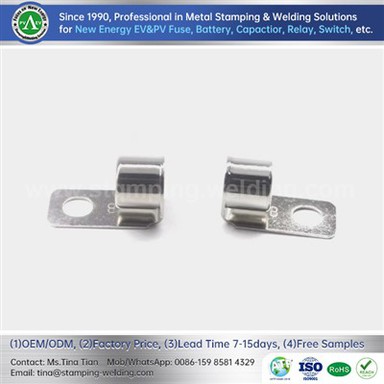
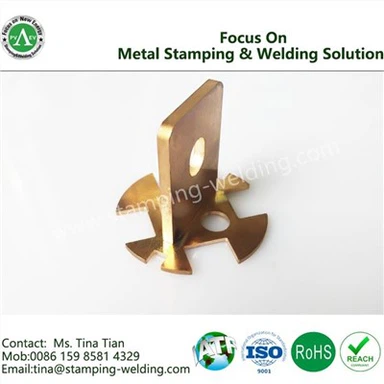
The "Resistance Welding Electric Vehicle Fuse Contact" is a specialized cap explicitly designed for power storage equipment. It is a crucial electrical connection component that is pivotal in guaranteeing the safe operation and protection of power storage systems. This product is meticulously designed and engineered to cater to the specific requirements of power storage devices, delivering consistent and dependable electrical connections as well as fault protection
- Fast Delievery
- Quality Assurance
- 24/7 Customer Service
Product Introduction
Products Description
The "Resistance Welding Electric Vehicle Fuse Contact is a specialized cap designed exclusively for power storage equipment. This essential electrical component plays a critical role in ensuring the secure operation and safeguarding of power storage systems. Engineered with the specific requirements of power storage devices in mind, this product delivers dependable electrical connections and fault protection.

Product function
-
Low Resistance Connections: The primary purpose is to establish low-resistance electrical connections within an electric vehicle's fuse contacts. This minimizes power loss and overheating.
Safety and Reliability: It ensures the safety and reliability of the vehicle's electrical system by preventing faults, overheating, and potential fire hazards.
Fuse Protection: The process helps fuses perform their protective role effectively by maintaining low-resistance connections, which is crucial in the event of electrical faults.
Longevity and Durability: It contributes to the long-term durability of the electrical system, ensuring it can withstand various environmental conditions and usage patterns.
product material
Electric Vehicle (EV) Fuse Contact Resistance Brazing typically involves the use of specific materials to ensure optimal electrical performance and durability. Here's an introduction to the typical product materials used in EV Fuse Contact Resistance Brazing:
Copper Alloys: Copper and copper alloys are commonly used materials for fuse contact brazing in electric vehicles. Copper is an excellent conductor of electricity and heat, making it ideal for electrical connections. Copper alloys, such as brass or bronze, are used to enhance the material's strength and resistance to corrosion.
Silver Alloys: Silver is often alloyed with copper to create materials with excellent electrical conductivity and thermal conductivity. Silver alloys are used in fuse contact brazing to further reduce electrical resistance and ensure reliable connections. Silver-plated components are also common in EV fuse contacts for improved conductivity.
Brazing Filler Materials: Brazing involves using a filler material that melts at a lower temperature than the base materials being joined. Common brazing filler materials include silver-based alloys, which can provide strong and durable connections while maintaining good electrical properties.
Ceramic Insulators: In some cases, ceramic materials are used as insulators to separate and protect the fuse contacts. These insulators are chosen for their electrical insulation properties, high-temperature resistance, and durability.
Coating and Plating: To enhance corrosion resistance and reduce oxidation, fuse contacts may be coated or plated with materials like tin, nickel, or silver. These coatings help maintain the electrical properties of the contacts over time.
High-Temperature Materials: Given the high current and heat generated in EV electrical systems, the materials used for fuse contacts and brazing must be capable of withstanding high temperatures without degrading or compromising electrical performance.
In summary, EV Fuse Contact Resistance Brazing utilizes a combination of materials, including copper and its alloys, silver-based alloys, insulating ceramics, and protective coatings, to create reliable, low-resistance electrical connections that meet the demanding requirements of electric vehicles. These materials are chosen for their electrical conductivity, thermal properties, durability, and resistance to environmental factors.

welding process
Electric Vehicle (EV) Fuse Contact Resistance Brazing is a specialized welding process used to create strong and low-resistance electrical connections in the fuse contacts of electric vehicles. Here's an introduction to the typical welding process involved:
Preparation: Before the welding process begins, the fuse contacts and the materials to be joined are carefully prepared. This involves cleaning the surfaces to remove any contaminants, oxidation, or impurities that could interfere with the welding process.
Selection of Materials: As mentioned earlier, copper and its alloys are commonly used for fuse contacts due to their excellent electrical conductivity. Silver-based alloys are often used as filler materials for brazing, ensuring a reliable electrical connection.
Fixturing: The fuse contacts are securely positioned and held in place using fixtures or clamps to ensure precise alignment during the welding process. Proper alignment is crucial to achieve a uniform and reliable connection.
Brazing Process: EV Fuse Contact Resistance Brazing typically uses a brazing process, which involves heating the materials to a specific temperature below their melting points and using a filler material that melts and flows into the joint. The steps involved in brazing include:
a. Heating: An induction heating system or another appropriate heat source is used to bring the fuse contacts and filler material to the required brazing temperature. This temperature is carefully controlled to avoid overheating and ensure proper bonding.
b. Filler Material Application: The filler material (often a silver-based alloy) is applied to the joint between the fuse contacts. The filler material melts and flows into the joint due to capillary action, creating a strong bond.
c. Cooling: After the brazing process, the joint is allowed to cool naturally or through controlled cooling methods. This ensures that the materials solidify and form a robust electrical connection.
Quality Control: Once the brazing is complete and the joint has cooled, quality control measures are applied. This may include visual inspections, electrical resistance tests, and other checks to verify the integrity of the connection.
Finishing: If necessary, additional finishing steps such as cleaning, deburring, or coating application may be performed to ensure the longevity and reliability of the fuse contacts.
In summary, EV Fuse Contact Resistance Brazing is a precise and controlled welding process that relies on heating and a carefully selected filler material to create low-resistance and dependable electrical connections in the fuse contacts of electric vehicles. Proper preparation, fixturing, and quality control are essential to ensure the effectiveness and safety of the welding process.

production workshop

Partner
We cooperate with many large enterprises, including some world-renowned automobile manufacturers, such as Mercedes-Benz, Tesla, Audi, Honda, etc. The selection of these partners fully reflects our reputation and professional knowledge in the industry.

contact us
Starting from 2010, our expertise has been focused on delivering specialized solutions in stamping and welding for a range of applications, including electric vehicle busbars and laminated busbars, contacts and caps for electric vehicles and photovoltaic systems, aluminum shells for power batteries, as well as steel and aluminum cans for power capacitors.

Hot Tags: resistance welding electric vehicle fuse contact, China, manufacturers, suppliers, factory, Contact Fuse Links Assembly, End Cap And Contact Fuze Welding Components, Fuse Link Contact And End Cap For Auto Car, Fuse Terminal And Cap Welded Components, Outer Cap Fuse Contact, T2 Copper End Caps And Fuse Contact