Copper Vs Aluminum Busbar
Mar 22, 2023
Copper Vs Aluminum Busbar for Power Distribution
When it comes to power distribution, there are two main options available when it comes to busbar trunking conductors: copper and aluminum busbar trunking conductors. While both can be a great option, one may be better suited to your specific project.
Both aluminum and copper are soft metals that can be extruded into a variety of shapes and sizes. They are both easily molded and can be custom-made to meet any application requirements.
Copper busbars are typically plated with tin, which adds corrosion protection and improved electrical conductivity. This helps prevent oxidation and reduces the likelihood of solder bridging, especially in humid environments.
Tin-plated copper busbars are used in a variety of industries, including transportation (electric vehicles), renewable energy (wind and solar), and other electric devices. The tin plating also makes the copper resistant to sulfuric acid.
Aluminum busbars are also a popular choice, especially in larger applications where cost is an important consideration. This is because they are lighter than copper, can be extruded into a wide variety of custom designs, and can be installed quickly and easily by one operator.
Both aluminum and copper are 100 percent recyclable, but the method of their extraction has a bearing on how environmentally friendly they are. In general, copper is a less eco-friendly alternative as it relies on non-eco mining and extraction processes that often lead to significant energy waste.

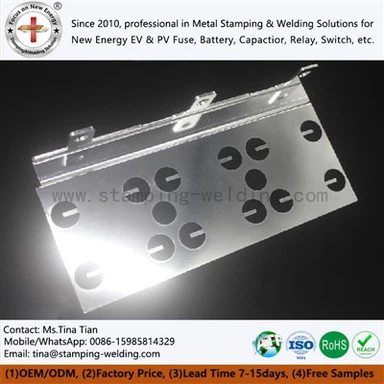
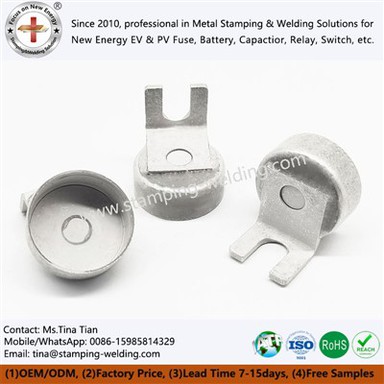
Copper Busbar

Aluminum busbar
When it comes to determining which material is better for your project, it is best to do some research to see what options are out there for you. There are many different factors that you will need to consider, such as sizing, weight restrictions, electrical ratings, and other design constraints.
For example, if you have limited space in your enclosure, then using a larger dimensionally thicker aluminum bus bar will help to conserve valuable space.
Aside from that, aluminum is less costly than copper and can be made from recycled materials, which can lower the overall cost of your project. Additionally, it can be produced with a more sustainable supply chain and reduce environmental impact.
Both copper and aluminum are highly conductive materials, but their differences in chemical properties, sizing, and thermal conductivity will affect the efficiency of your project. While both are durable, copper busbar is typically a better choice for high-voltage power applications and will be more resistant to mechanical damage and erosion.
contact us