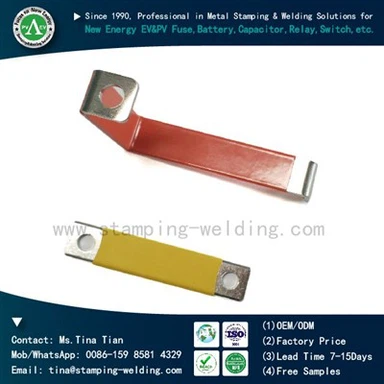
Grounding Copper Busbar: Critical Components for Electrical Safety and Reliability
Aug 22, 2025
Definition and Core Function
Grounding copper busbars are rigid, conductive components typically made of high-purity copper, designed to create a low-resistance path between electrical equipment, conductors, and the earth. Similar to protective grounding cables highlighted in the source, their primary role is to ensure safe redirection of electrical current-especially during fault conditions-to prevent hazards to personnel and equipment.

Key Safety Roles
Fault Current Diversion: In scenarios like accidental re-energization of de-energized lines (caused by human error, static buildup, or stored charges, as noted in the source), Copper Busbar for Uninterrupted Power Stocks rapidly channel excessive current to the ground, mitigating the risk of electric shock to linemen.
Voltage Stabilization: Copper Bus Bar Tappeds help maintain consistent ground potential across connected equipment, reducing voltage spikes that could damage sensitive components.
Protection Against Arcing: By providing a reliable path for fault currents, they minimize the chance of dangerous electrical arcing, which can cause fires or equipment failure.
Material and Structural Advantages
| High Conductivity | Copper's excellent electrical conductivity ensures minimal resistance in current paths, critical for efficiently handling high fault currents-similar to the "high current withstand" requirement for protective grounding equipment mentioned in the source. |
| Corrosion Resistance | Copper naturally resists corrosion (when properly treated), ensuring long-term reliability even in harsh environments (e.g., exposure to moisture, mud, or rain, common in field operations). |
| Mechanical Durability | Rigid Power Distribution Bus Bars are designed to withstand physical stress from installation, vibrations, and daily handling (unlike flexible cables, they are less prone to damage from being "tossed in trucks" or "dropped in mud"). |

Maintenance and Inspection Imperatives
As emphasized in the source for grounding cables and jumpers, regular care is vital for Backplane Bus Bars:
Routine Checks: Inspect for signs of wear, such as scratches, dents, or corrosion, which can compromise conductivity.
Connection Integrity: Ensure bolts, clamps, or welds linking the busbar to equipment/ground are tight and free of oxidation-loose connections increase resistance, reducing effectiveness.
Cleaning: Remove dirt, debris, or oxidation layers periodically to maintain optimal conductivity, as buildup can hinder current flow over time.
Compliance with Industry Standards
Like the "well-built and well-maintained" protective grounding equipment stressed in the source, grounding Vertical Copper Bonding Busbars must meet strict industry standards. These standards specify material purity, current-carrying capacity, and mechanical strength to ensure they perform reliably under fault conditions, safeguarding both linemen and electrical systems.
relevant product
At our company, we recognize that reliability in grounding systems is non-negotiable. Our range of Grounding Copper Busbars is designed with this principle at its core, crafted from high-purity copper to meet stringent industry standards. Engineered to endure the toughest environments, they complement the protective measures outlined in safety guidelines, offering linemen and electrical teams an added layer of confidence. In a field where every component matters, our Wall Mounted copper Ground Bar Kits stand as a testament to our commitment to upholding the highest safety standards-one reliable connection at a time.

contact us