In-depth analysis and solutions for Fuse Copper Cap blowout
May 03, 2026
In the field of electrical protection, Fuse Copper Cap serve as crucial "safety guardians," their core function being to promptly melt and disconnect the circuit in case of abnormal current, thereby protecting downstream equipment and wiring. Their working principle is based on the current-thermal effect: when the current exceeds the rated value, the fuse heats up; if the heat cannot be effectively dissipated, the fuse temperature continues to rise until it melts and breaks. However, in practical applications, fuse melting is often caused by a variety of complex factors, requiring precise diagnosis and proper handling.
Analysis of the causes of circuit breaker failure
1. Overload Operation
This is the most common cause. When the total electrical load in a household or industrial setting exceeds the rated capacity of the fuse, it will blow due to overload. This is especially true when high-power devices such as air conditioners and electric heaters are used simultaneously; the current continuously exceeds the limit, heat accumulates, and eventually the fuse trips. To solve this problem, the electrical load should be properly distributed to avoid overloading.
2. Pulse Current Surge
The instantaneous large current generated at the moment of circuit startup or during power fluctuations is another important cause of unexpected fuse blown. Although this pulse current is brief, its energy is enormous and sufficient to trip the fuse. In addition, loose fuse mounting screws or minor damage to the fuse itself can also cause premature failure due to localized overheating under normal current.
3. Poor Contact and Oxidation
A frequently overlooked point of failure is contact problems. Even if the fuse specification is correct and the total load is not exceeded, if the fuse does not make tight contact with the plug and screws during installation, it will lead to increased contact resistance. When current flows through, the contact points spark and heat up, causing the fixing screws to oxidize and "burn," creating a vicious cycle that ultimately leads to melting. Regularly checking and tightening the terminals is crucial.
4. Short Circuit Fault
This is the most dangerous type of fault. If the fuse blows immediately after replacement and the circuit is switched on, there is a very high probability of a short circuit. Short circuits are divided into line short circuits and load short circuits. The former is often caused by damage or aging of the insulation layer, while the latter is commonly seen in high-power appliances such as electric kettles and rice cookers, due to plug or internal wiring faults, as well as design defects in inferior appliances.
5. Material Aging and Fatigue
Fuses themselves have a lifespan. With prolonged current flow, the internal metal fuse wire (such as the Copper Cap structure used in some high-end products) will gradually oxidize and thin due to continuous heating, increasing resistance and eventually causing it to melt naturally. Simultaneously, friction and slow oxidation from air during long-term storage will also weaken its performance. For these situations, regular replacement is the only solution.

Solutions and processing steps
When a fuse blows, a scientific troubleshooting process is key:
- Step 1: Step-by-step testing to pinpoint the problem.
First, try using the appliances individually, turning them on one by one and observing. If each appliance functions normally when running independently for an extended period, but blows when turned on simultaneously, it's likely an overload. In this case, a professional electrician should assess and replace the fuse with one of the correct specifications. Do not arbitrarily increase the fuse size, as this may compromise its protective function.
- Step 2: Targeted inspection to eliminate equipment malfunctions.
If the fuse blows when using a single appliance, it indicates a fault in that appliance itself. For example, some cylindrical fuses with copper end caps frequently blow in certain equipment, often indicating an internal short circuit or component damage. In this case, contact a professional repair technician for inspection.
- Step 3: Pay attention to details to ensure installation quality.
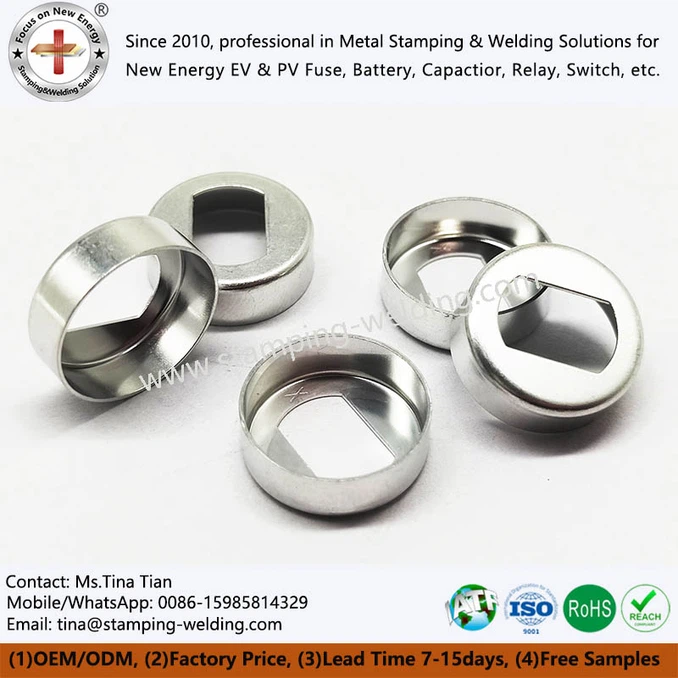
When replacing fuses, always check and ensure all connections (such as the contact between the end cap copper and the base) are secure and free of oxidation. For special applications, such as photovoltaic systems, use specialized models like Copper Cap for In-line PV Fuse to ensure reliability in harsh environments.
Industry recommendations
As electrical systems become increasingly complex, Fuse Copper Cap selection and maintenance are no longer simply a matter of "replacing when it blows." Industry experts recommend that users prioritize fuse selection and matching, as well as regular inspections. For circuits experiencing frequent fuse blowouts, it's not enough to just replace the fuse; a thorough investigation of the circuit design, equipment condition, and installation process is necessary. Furthermore, it's important to pay attention to fuse technology advancements. For instance, products with fuse blowout indicators (such as color changes or pop-out indicators) can help maintenance personnel quickly pinpoint the fault, improving maintenance efficiency.
Contact Us
For further information on Fuse Copper Cap selection recommendations and fuse failure analysis, please feel free to contact us.