Maximize Efficiency with Automated Stamping Sheet Metal Processes
Aug 26, 2025
The manufacturing industry is shifting toward automation to boost efficiency and cut costs. Automated stamping sheet metal processes use machines to stamp metal sheets into precise parts quickly. They are widely used in making components like stainless steel stamping parts. This article will explain how these automated processes maximize efficiency, their advantages, details of stainless steel stamping parts, and introduce Xiamen APOLLO's related products.
Core Ways Automated Stamping Processes Boost Efficiency
1. Fast Production Speed
Automated machines work 24/7 without breaks. They can stamp 500-1000 metal parts per hour, much faster than manual stamping. This speed shortens production cycles for large-batch orders, like stainless steel stamping parts for home appliances.
2. High Precision Reduces Waste
These processes use computer-controlled systems. The error range is within ±0.01mm, ensuring each part is consistent. This reduces defective parts that need to be scrapped. For factory custom stainless steel stamping, precision also avoids rework, saving time and materials.
3. Low Labor Dependence
Automated lines need only a few workers to monitor machines. Unlike manual stamping, which requires many operators, this cuts labor costs. It also avoids human errors caused by fatigue, keeping production efficient and stable.
Industry Trends Driving Adoption of Automated Stamping
1. Global manufacturing is moving toward "Industry 4.0". Smart factories need connected, automated processes. Automated stamping sheet metal systems can link with MES (Manufacturing Execution Systems) to track production in real time, meeting smart factory needs.
2. Demand for customized metal parts is growing. Factory custom stainless steel stamping relies on automated processes to switch between different molds quickly. This allows manufacturers to handle small-batch custom orders efficiently.
3. Environmental regulations are stricter. Automated processes use less energy and reduce material waste. They align with green manufacturing goals, making them a top choice for eco-conscious factories.
Detail Displays of Stainless Steel Stamping Parts
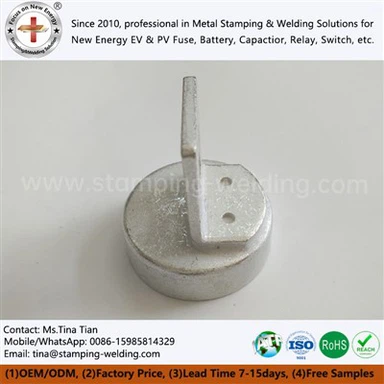
Stainless steel stamping parts, made via automated processes, have professional details for high performance. First, they use 304 or 316 stainless steel. These materials resist corrosion, making parts suitable for wet or chemical environments. Second, stainless steel stamping uses precise molds in automated lines. The parts have smooth edges without burrs, avoiding assembly issues. Third, automated surface treatment (like polishing) ensures consistent quality. Each part looks uniform, which is important for visible components like kitchen appliance parts. These details make the parts reliable and efficient to produce.

Advantages Over Traditional Stamping Methods
1. More Stable Quality
Traditional manual stamping leads to inconsistent parts due to human variation. Automated processes use fixed programs. Every stainless steel stamping part has the same size and shape, improving overall product quality.
2. Lower Long-Term Costs
Traditional stamping needs frequent labor training and has high scrap rates. Automated processes have lower labor costs and less waste. Over time, they save more money, especially for long-term production of stainless metal stamping parts.
3. Better Scalability
When production needs increase, automated lines can be upgraded easily (e.g., adding more stamping stations). Traditional lines require hiring more workers, which is slower and more expensive. This scalability helps factories grow efficiently.
Application Scenarios of Automated Stamping Processes
1. In the automotive industry, automated stamping makes stainless steel stamping parts like door hinges and exhaust components. The fast speed meets car manufacturers' large-batch needs.
2. In the medical device field, factory custom stainless steel stamping produces precision parts like surgical instrument components. Automated precision ensures parts meet strict medical standards.
3. In the electronics industry, stainless metal stamping parts (like sensor housings) are made via automated processes. The high efficiency supports the fast production of smartphones and laptops.
Xiamen APOLLO's Automated Stamping Solutions
Xiamen APOLLO offers advanced automated stamping sheet metal solutions and high-quality stainless steel stamping parts. Our automated lines use imported servo motors, ensuring a production speed of up to 800 parts per hour and precision within ±0.008mm. We use 316L stainless steel for our stainless steel stamping parts, providing excellent corrosion resistance for harsh environments.
We provide flexible transportation: sea, land, and air shipping, ensuring timely delivery to global customers. All our products have ISO 9001 and IATF 16949 certificates, proving they meet automotive and industrial quality standards. We also offer factory custom stainless steel stamping services. We can design molds and adjust processes based on customers' specific part requirements. Whether for automotive, medical, or electronics industries, our automated solutions and parts help maximize production efficiency, supporting manufacturing development.

contact us