Recycling of Battery Aluminum Cases: Closing the Loop for Sustainable Resource Management
May 18, 2023
Can battery aluminum cases be easily recycled at the end of their life cycle?

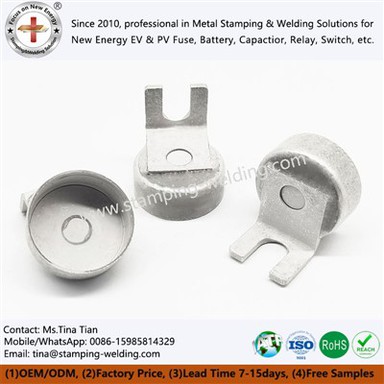
Battery aluminum cases are highly recyclable and can be easily recycled at the end of their life cycle. The recycling of battery aluminum cases is an important aspect of sustainable waste management and resource conservation in the battery industry.
Aluminum is one of the most recyclable materials on the planet. It can be recycled repeatedly without losing its inherent properties and quality. This makes aluminum an ideal candidate for recycling, as it helps reduce the demand for primary aluminum production, which is an energy-intensive process.
The recycling process for battery aluminum cases involves several steps.
First, the used cases are collected from various sources, such as battery manufacturers, recycling centers, and electronic waste facilities. These cases are then sorted based on their composition and any associated components, such as plastics or coatings.
After sorting, the battery aluminum cases undergo a shredding process to break them down into smaller pieces. This shredding process helps in separating aluminum from other materials, facilitating the subsequent recycling steps. The shredded aluminum is then subjected to various separation techniques, such as magnetic separation, eddy current separation, and density-based separation, to further refine and purify the aluminum material.
Once the aluminum is separated and purified, it is melted down in a furnace. The molten aluminum is then cast into ingots or billets, which can be used as raw materials for the production of new battery aluminum cases or other aluminum products. Recycled aluminum retains the same quality and properties as virgin aluminum, making it suitable for a wide range of applications.
The recycling of battery aluminum cases offers numerous environmental benefits. Firstly, it helps conserve natural resources by reducing the need for bauxite mining, the primary source of aluminum. Mining activities can have significant environmental impacts, including deforestation, habitat destruction, and soil erosion. By recycling aluminum, these impacts can be minimized.
Additionally, aluminum recycling significantly reduces energy consumption and greenhouse gas emissions compared to primary aluminum production. Recycling aluminum requires only about 5% of the energy needed to produce aluminum from raw materials. This energy savings translates into a reduced carbon footprint and helps mitigate climate change.
Furthermore, recycling battery aluminum cases helps in waste reduction and landfill diversion. Aluminum is a valuable material, and recycling it prevents it from being disposed of in landfills, where it would take up space and potentially leach harmful substances into the environment. Recycling also reduces the need for landfill expansion and prolongs the lifespan of existing landfill sites.
Battery aluminum cases can be easily recycled at the end of their life cycle. The recycling process involves collecting, sorting, shredding, and melting the cases to produce new aluminum products. Recycling aluminum cases offers environmental benefits such as resource conservation, energy savings, greenhouse gas emission reduction, and waste reduction. It is an integral part of sustainable waste management and contributes to the circular economy in the battery industry.