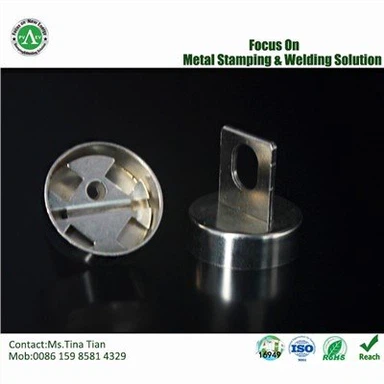
the basic principles of metal stamping technology
Feb 27, 2025
Metal stamping technology is a widely utilized forming process in industrial manufacturing, integrating principles from material mechanics, plasticity mechanics, and tribology. This technology involves placing metal sheets between dies on a stamping machine and applying pressure to induce plastic deformation, thereby producing parts with desired shapes and dimensions. The process rearranges the internal grain structure of the metal, enabling material flow and forming. While this deformation is reversible, the metal may experience some mechanical property changes and surface quality degradation during stamping.

The implementation of metal stamping relies on stamping machines and dies. Stamping machines, powered by hydraulic or pneumatic systems, drive a slider along a guide rail to perform the stamping operation. Dies, which determine the part's shape and size, are crucial components whose design and manufacturing precision directly impact the quality of the stamped parts. Friction between the die and the metal sheet also significantly affects the stamping outcome.
Metal stamping offers numerous advantages, such as high production efficiency, high material utilization, low cost, and broad application across various industries. However, challenges persist, including high mold manufacturing costs, potential defects like cracks and wrinkles, and stringent material performance requirements. Therefore, selecting appropriate stamping processes and molds based on specific needs is essential for ensuring part quality and production efficiency.
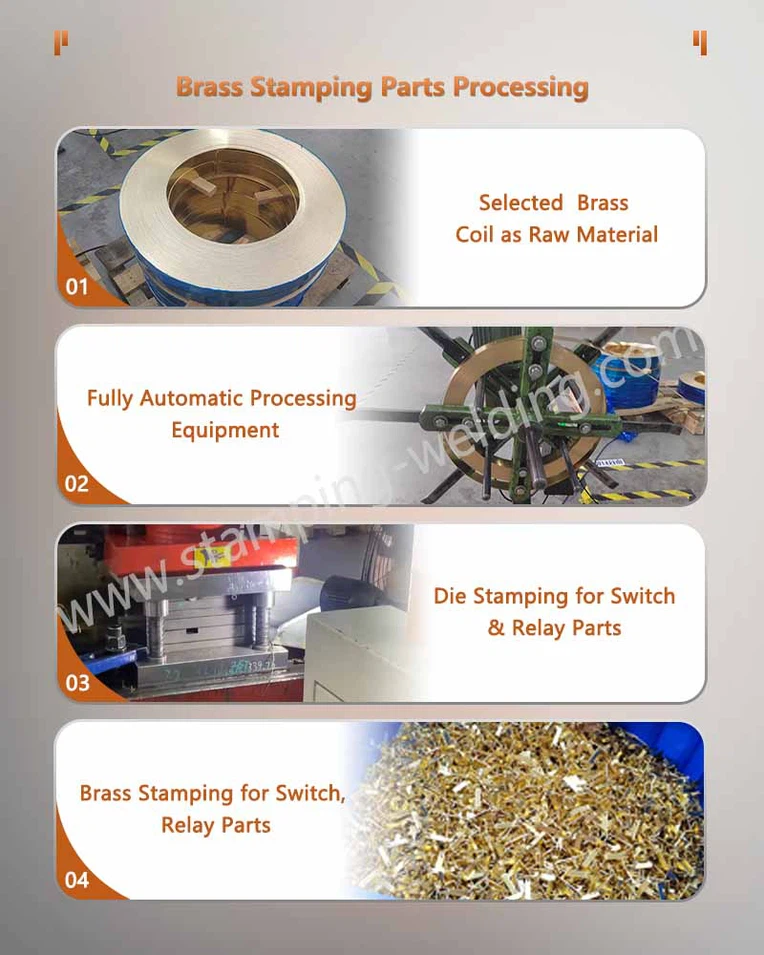
This article provides an in-depth exploration of the basic principles and practical applications of metal stamping technology, covering the following aspects:
Metal stamping processes can be categorized by stamping method (e.g., forward, reverse, continuous) and die structure (e.g., single-action, double-action, compound). Each type suits different production scenarios and part requirements, necessitating careful selection based on specific conditions. For example, forward stamping is suitable for simple parts with fewer forming steps, while continuous stamping is ideal for mass production of complex components. The choice of die structure also plays a significant role in determining the efficiency and accuracy of the stamping process.
Critical technologies include die design, stamping parameter optimization, lubrication, and cooling. Die design considers material flow, forming force, and friction, while parameter optimization adjusts speed, pressure, and stroke for optimal results. Lubrication and cooling enhance surface quality and efficiency by reducing friction and heat. Advanced die design techniques, such as computer-aided design (CAD) and finite element analysis (FEA), have significantly improved the precision and reliability of stamping processes. Additionally, the use of advanced lubricants and cooling systems helps to minimize wear and tear on the dies and improve the overall surface finish of the stamped parts.
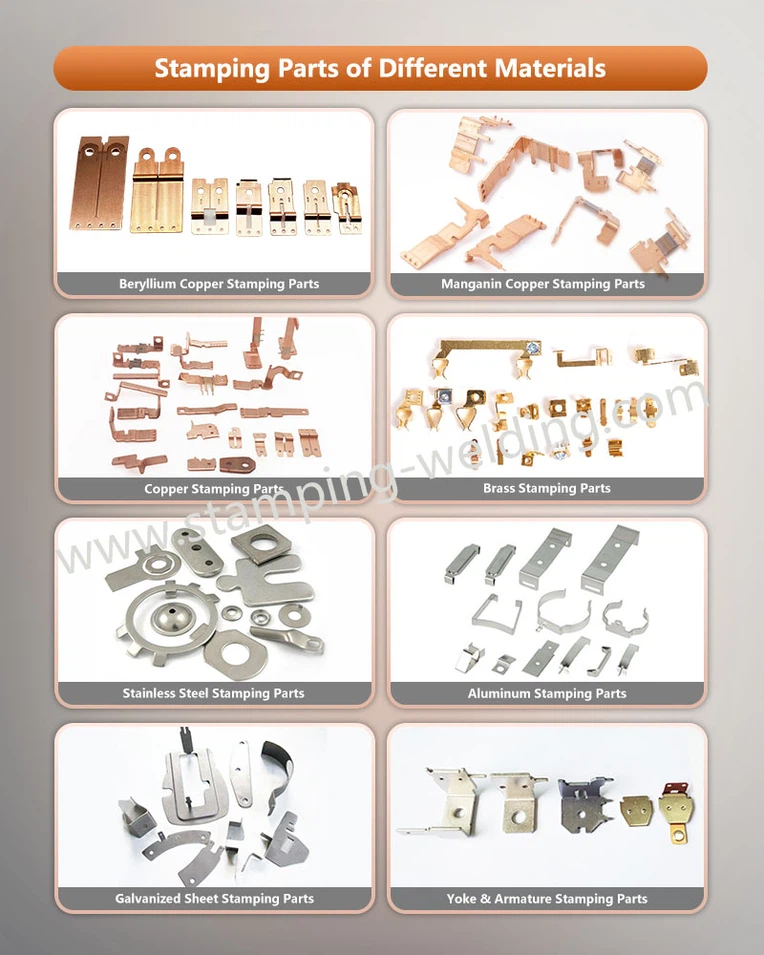
Metal stamping is extensively used in automotive, home appliance, electronics, and aerospace industries. It produces high-precision, high-quality parts efficiently. For instance, in automotive manufacturing, it forms critical components like the body, engine, and chassis. In home appliances, it manufactures shells and parts for washing machines, refrigerators, and air conditioners. The versatility of metal stamping allows it to create components ranging from small electronic casings to large structural parts. Its ability to produce parts with tight tolerances and high repeatability makes it an indispensable process in modern manufacturing.
As technology advances, metal stamping is increasingly focused on environmental protection and sustainable development, promoting green manufacturing and circular economy principles. The integration of artificial intelligence and big data is driving the industry towards smarter and more automated production, enhancing efficiency and quality. Modern stamping facilities are adopting intelligent systems that monitor and optimize the stamping process in real-time, reducing waste and improving overall productivity. Additionally, the development of eco-friendly materials and processes is becoming a priority as the industry strives to minimize its environmental footprint.
In conclusion, metal stamping technology is a vital forming process with broad applications across multiple industries. Its principles and applications span various scientific fields. Through continuous research and innovation, we can maximize the benefits of metal stamping and drive advancements in industrial manufacturing. As the industry evolves, the focus on sustainability, automation, and high precision will continue to shape the future of metal stamping, ensuring its relevance and importance in modern manufacturing.
contact us