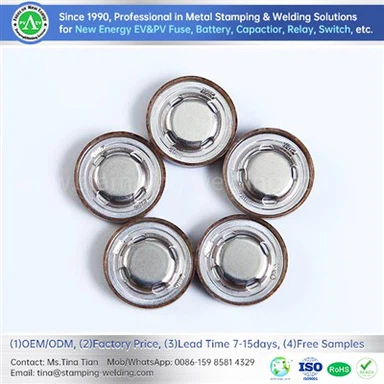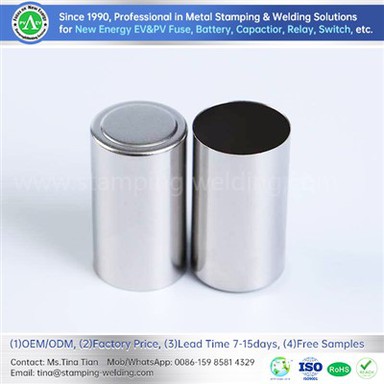


Cylindrical Batteries Steel Outer Skin
Cylindrical Batteries Steel Outer Skin, also known as battery cans or casings, are fundamental components in the construction of cylindrical batteries. These robust outer shells are typically made from high-quality steel to provide structural integrity and protect the battery's internal components. Their cylindrical shape is designed to encase the battery's electrochemical cells, electrode materials, and electrolytes, ensuring a secure and compact housing. Cylindrical Batteries Steel Outer Skin plays a crucial role in maintaining the battery's integrity, preventing leakage, and withstanding external pressures. Their durable construction and precise manufacturing are essential for the safe and reliable operation of various battery-powered devices, including flashlights, laptops, smartphones, and electric vehicles.
- Fast Delievery
- Quality Assurance
- 24/7 Customer Service
Product Introduction
INTRODUCE
——
Cylindrical Batteries Steel Outer Skin, also known as battery cans or casings, are fundamental components in the construction of cylindrical batteries. These robust outer shells are typically made from high-quality steel to provide structural integrity and protect the battery's internal components. Their cylindrical shape is designed to encase the battery's electrochemical cells, electrode materials, and electrolytes, ensuring a secure and compact housing. The product plays a crucial role in maintaining the battery's integrity, preventing leakage, and withstanding external pressures. Their durable construction and precise manufacturing are essential for the safe and reliable operation of various battery-powered devices, including flashlights, laptops, smartphones, and electric vehicles.

PRODUCT FUNCTIONS
——
- Structural Integrity: The steel outer skin provides a robust and protective casing that holds all the internal components of the battery together. It ensures the battery maintains its shape and structural integrity, even in challenging conditions.
- Containment: One of the primary functions is to contain and encase the battery's electrochemical cells, electrode materials, and electrolytes. This containment prevents leakage of potentially corrosive or hazardous materials, safeguarding both the battery and its surrounding environment.
- Pressure Resistance: Cylindrical battery casings are designed to withstand internal pressure changes that occur during charging and discharging cycles. They help maintain the structural integrity of the battery, ensuring safe and reliable performance.
- Thermal Protection: Steel has excellent thermal conductivity properties, which help dissipate heat generated during the battery's operation. This prevents overheating and thermal runaway, contributing to the battery's safety.
- Corrosion Resistance: Steel outer skins are often coated or treated to enhance corrosion resistance. This protection ensures the outer casing remains durable and prevents exposure to moisture or corrosive substances.
- Electrical Insulation: The steel casing electrically isolates the battery's internal components, preventing short circuits and maintaining the integrity of the battery's electrical pathways.
- Impact Resistance: Cylindrical batteries are commonly used in portable devices and may be subject to mechanical shocks and impacts. The steel outer skin provides an additional layer of protection, helping the battery withstand such external forces.
- Aesthetic Finish: In some applications, the outer casing is designed for aesthetic purposes, providing a clean and polished appearance to the battery, which can be important in consumer electronics.
- Customization: Cylindrical battery casings can be manufactured in various sizes, lengths, and diameters to accommodate different battery capacities and form factors, ensuring compatibility with a wide range of devices.
- Battery Labeling: The outer skin often includes labeling and branding information, such as battery capacity, voltage ratings, and manufacturer details, making it easy for users to identify and install the battery correctly.

SURFACE TREATMENT
——
- Zinc Plating: Zinc plating involves immersing the steel casing in a bath of zinc solution and applying an electric current. This process results in the deposition of a zinc coating on the outer surface of the casing. Zinc plating provides excellent corrosion resistance, protecting the steel from rust and oxidation.
- Nickel Plating: Nickel plating is similar to zinc plating but uses a nickel bath instead. Nickel-plated steel outer skins offer enhanced corrosion resistance, wear resistance, and a polished appearance. They are often used in applications where a smooth and lustrous finish is desired.
- Tin Plating: Tin plating involves applying a layer of tin onto the steel casing's surface. Tin-plated steel outer skins are known for their corrosion resistance, solderability, and ability to maintain electrical conductivity. They are commonly used in battery applications where soldering is required.
- Passivation: Passivation is a chemical process that removes impurities and contaminants from the steel's surface, creating a passive oxide layer that enhances corrosion resistance. Passivation is especially useful in ensuring the longevity of the steel casing.
- Epoxy Coating: Epoxy coatings provide an additional layer of protection against corrosion and environmental factors. These coatings are often applied as a powder or liquid and then cured to form a hard, durable finish.
- Painting: Steel outer skins can be painted with various protective coatings to improve their corrosion resistance and provide aesthetic customization. Paint coatings are available in different colors and can be used to label or brand the batteries.
- Powder Coating: Powder coating involves applying a dry powder to the steel surface, which is then baked to create a durable and resistant finish. Powder coatings offer protection against corrosion, impact, and abrasion.
PROCESSING TECHNOLOGY
——
The processing technology involved in manufacturing Cylindrical Batteries Steel Outer Skin is a precise and multifaceted process that ensures the creation of durable and reliable casings for batteries. Here's a detailed overview of the typical processing technology used in producing these steel outer skins:
- Material Selection: The process begins with the careful selection of high-quality steel materials, chosen for their strength, corrosion resistance, and suitability for battery casings.
- Sheet Metal Cutting: The selected steel sheets are cut into precise dimensions to create flat blanks, which will serve as the starting point for the outer skin.
- Roll Forming: Roll forming machinery is used to shape the flat steel blanks into cylindrical forms. The steel strip is gradually bent and shaped into a cylindrical tube, ensuring uniformity and precision in the casing's dimensions.
- Seam Welding: Seam welding is a critical step in creating the longitudinal seam of the cylindrical casing. High-frequency resistance welding is commonly used to join the edges of the steel strip together, forming a continuous and secure seam along the length of the casing. This seam weld ensures the structural integrity of the casing and prevents the escape of battery components.
- Stamping: Stamping processes are employed to create specific features or patterns on the steel casing. This can include stamping identification marks, product labels, or vent holes on the casing's surface. Stamping provides customization options and functional elements for the casing.
- End Closure: After the longitudinal seam is welded, the open ends of the cylindrical tube are formed and sealed to encase the battery components completely. End closures can involve crimping, folding, or other methods, depending on the design requirements.
- Surface Treatment: Surface treatments are applied to enhance the casing's properties. These treatments may include zinc or nickel plating, passivation, epoxy coating, or other methods to improve corrosion resistance and appearance.
- Quality Control: Rigorous quality control measures are implemented throughout the manufacturing process. Inspections, dimensional checks, and material property tests are conducted to ensure each steel outer skin meets strict industry standards.
- Cleaning and Packaging: The final steel outer skins are thoroughly cleaned to remove any contaminants or residues. They are then carefully packaged to protect them during transportation and storage, with appropriate safeguards to prevent damage or corrosion.

PRECAUTIONS
——- Proper Handling: Handle batteries with care, especially when installing or replacing them in devices. Avoid dropping or subjecting them to physical shock, as this can damage the steel casing and internal components.
- Polarity Check: Before inserting batteries into devices, always check the polarity markings (positive and negative) on both the battery and the device. Insert the batteries in the correct orientation to prevent short circuits or damage to the equipment.
- Temperature Considerations: Operate batteries within the recommended temperature range specified by the manufacturer. Extreme temperatures, both high and low, can affect battery performance and lifespan. Avoid exposing batteries to direct sunlight or heat sources.
- Avoid Mixing Battery Types: Do not mix different battery chemistries (e.g., alkaline and lithium) or batteries of varying ages in the same device. Mixing batteries with different voltage outputs or states of charge can lead to issues like leakage or overheating.
- Storage Conditions: When not in use, store spare batteries in a cool, dry place. Avoid storing them in extreme temperatures, as this can reduce their capacity and lifespan.
- Battery Compatibility: Use batteries that are compatible with the specific device. Refer to the device's user manual or manufacturer's recommendations for guidance.
- Battery Removal: Replace batteries promptly when they are depleted or reach the end of their lifespan. Leaving old or dead batteries in a device can lead to leakage and potential damage.
- Recycling: Dispose of used batteries properly by recycling them in accordance with local regulations. Many regions have designated recycling programs for batteries to minimize environmental impact.
- Protection from Short Circuits: Avoid storing loose batteries in pockets or bags where they can come into contact with metal objects (e.g., keys or coins), as this can create short circuits and potentially cause accidents.
- Child Safety: Keep batteries out of the reach of children. Swallowing or mishandling batteries can lead to serious health hazards. Consider using devices with child-resistant battery compartments if applicable.
- Emergency Response: In the event of a battery leak, overheating, or other unusual behavior, remove the battery from the device immediately and discontinue use. Follow appropriate safety procedures and seek professional assistance if necessary.
- Battery Storage in Devices: If a device is not going to be used for an extended period, remove the batteries to prevent potential leakage and damage to both the device and the steel outer skin.
OUR CERTIFICATIONS
——

OUR CUSTOMERS
——

CONTACT US
——
For more information about our products, please contact our team!

Hot Tags: cylindrical batteries steel outer skin, China, manufacturers, suppliers, factory