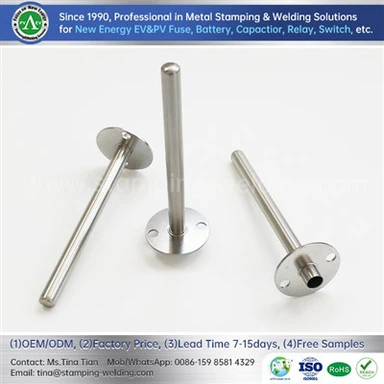


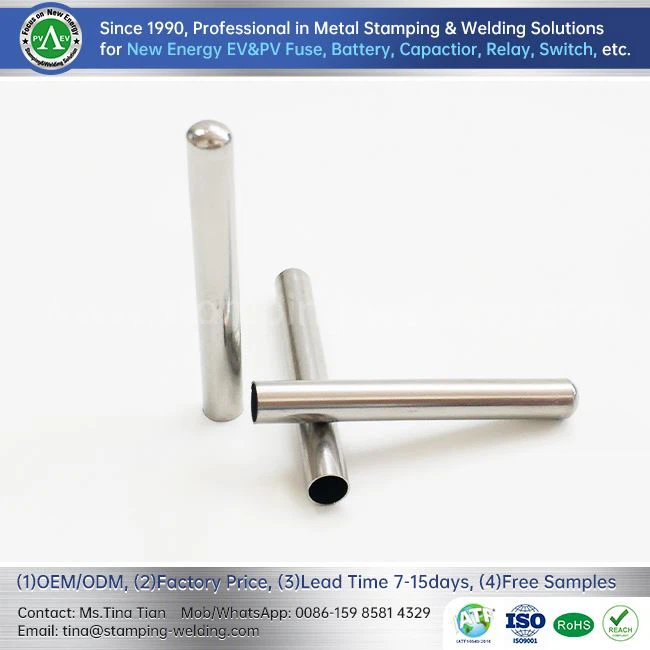

Sensor Housing For Engine Sensors
The sensor housing for engine sensors is a critical component in modern automotive engines, designed to protect and house various sensors that play a vital role in engine management and performance. Engine sensors are responsible for collecting real-time data about the engine's operating conditions, such as temperature, pressure, airflow, and position. The sensor housing acts as a protective enclosure, shielding these sensitive sensors from harsh external elements, including temperature fluctuations, vibration, moisture, and contaminants. Its robust construction ensures the sensors remain accurate and reliable even in challenging environments. The sensor housing is engineered to facilitate proper sensor installation, ensuring accurate positioning for precise data acquisition. By safeguarding the engine sensors and maintaining their integrity, the sensor housing contributes to optimal engine performance, fuel efficiency, emission control, and overall vehicle reliability.
- Fast Delievery
- Quality Assurance
- 24/7 Customer Service
Product Introduction
PRODUCT INTRODUCTION
The sensor housing for engine sensors is a critical component in modern automotive engines, designed to protect and house various sensors that play a vital role in engine management and performance. Engine sensors are responsible for collecting real-time data about the engine's operating conditions, such as temperature, pressure, airflow, and position. The sensor housing acts as a protective enclosure, shielding these sensitive sensors from harsh external elements, including temperature fluctuations, vibration, moisture, and contaminants. Its robust construction ensures the sensors remain accurate and reliable even in challenging environments. The sensor housing is engineered to facilitate proper sensor installation, ensuring accurate positioning for precise data acquisition. By safeguarding the engine sensors and maintaining their integrity, the sensor housing contributes to optimal engine performance, fuel efficiency, emission control, and overall vehicle reliability.

PRODUCT FUNCTIONS
The sensor housing for Engine sensors plays a crucial and multifaceted role in modern automotive engines, serving as a critical component that directly impacts engine performance, efficiency, and reliability. Its primary function is to protect and encase various sensors used for monitoring and controlling engine parameters.
- Protection and Enclosure: The sensor housing provides a protective enclosure for engine sensors, shielding them from harsh external factors like temperature extremes, vibrations, moisture, dust, and contaminants. This protection is vital as these sensors are highly sensitive electronic components that need to function accurately under challenging operating conditions.
- Environmental Resistance: Automotive engines operate in diverse and demanding environments. The sensor housing is designed to withstand these environmental challenges, ensuring the sensors inside remain operational and reliable in extreme temperatures, high humidity, and corrosive conditions.
- Accurate Data Acquisition: Proper sensor positioning within the housing is essential for accurate data acquisition. The housing ensures the sensors are securely and precisely positioned, allowing them to collect real-time data on engine parameters, such as temperature, pressure, airflow, exhaust gases, and various other critical factors.
- Engine Control and Management: The data gathered by engine sensors housed within the sensor housing is crucial for engine control and management systems. These data inputs are used to adjust fuel injection, ignition timing, turbocharger boost, and other engine parameters to optimize performance, fuel efficiency, and emissions control.
- Safety and Emission Compliance: Engine sensors play a key role in ensuring vehicle safety and compliance with emission regulations. The sensor housing's protection ensures the sensors function correctly, preventing potential engine malfunctions and maintaining emission control systems' effectiveness.
- Reliability and Durability: The product's robust construction enhances the reliability and durability of engine sensors. By preventing external damage and contamination, the housing extends the sensors' lifespan and minimizes the risk of sensor failure or inaccuracies.
- Ease of Maintenance: Sensor housings are often designed to be easily accessible for maintenance purposes. This allows for straightforward sensor replacement or inspection, reducing downtime and ensuring the engine's continuous operation.
- Integration and Compatibility: The product is engineered to integrate seamlessly with the engine's architecture and design. It ensures compatibility with various sensor types and locations within the engine, facilitating smooth data transmission and accurate readings.
- Engine Diagnostics and Troubleshooting: The accurate and reliable data provided by engine sensors within the housing aids in engine diagnostics and troubleshooting. Automotive technicians can use sensor readings to identify potential issues and perform timely maintenance or repairs.

PRODUCT APPLICATIONS
——
Sensor housing for engine sensors plays a crucial role in modern automotive engineering, contributing to the efficient and reliable operation of internal combustion engines. These products provide a protective and optimized environment for various sensors used in the engine management system.
- Environmental Protection: The primary purpose of the sensor housing is to shield delicate sensors from harsh environmental conditions within the engine compartment. It protects the sensors from exposure to extreme temperatures, moisture, dust, dirt, and chemical contaminants. By maintaining a controlled environment around the sensors, the housing ensures accurate and consistent sensor readings, thus improving engine performance and reducing emissions.
- Vibration and Shock Absorption: The engine is subject to intense vibrations and shocks during operation. The product incorporates innovative materials and designs to absorb and dampen these vibrations, safeguarding the sensors from damage. This feature enhances the longevity of the sensors and ensures stable and precise sensor outputs.
- Heat Management: Engine compartments can become extremely hot, especially during prolonged operation or high-performance driving. The product employs advanced thermal management techniques, such as heat sinks, thermal insulation, and heat dissipation channels, to regulate the temperature around the sensors. This prevents overheating of the sensors, reducing the risk of sensor failure and maintaining accurate readings under varying engine conditions.
- Miniaturization and Integration: In modern automotive design, space optimization is critical. The sensor housing is engineered to be compact and lightweight, enabling seamless integration into the engine's tight spaces. The housing design allows for multiple sensors to be grouped together in close proximity, optimizing sensor placement and reducing wiring complexity.
- Seamless Connectivity: Sensor housing incorporates innovative wiring harness integration, connectors, and sealing technologies. This ensures a secure and waterproof connection between the sensors and the engine control unit, maintaining data integrity even in harsh conditions. Additionally, these advancements facilitate easy installation and replacement of sensors during vehicle servicing.
- Advanced Materials: Innovations in material science have led to the development of products made from lightweight yet robust materials, such as high-grade polymers, composites, or even advanced ceramics. These materials offer excellent mechanical strength, chemical resistance, and electromagnetic shielding properties, enhancing the durability and reliability of the sensors.
- Smart Sensor Housings: As automotive technology advances, sensor housings are becoming smarter. Some sensor housings now incorporate built-in diagnostics and self-monitoring capabilities. These intelligent housings can detect sensor malfunctions, report issues to the vehicle's diagnostic system, and even provide backup sensor functionality if a primary sensor fails.
- Enhanced Sensor Calibration: Sensor housing designs now consider the calibration process of sensors, ensuring precise and repeatable calibrations. This optimization leads to accurate and consistent sensor readings across different engine operating conditions, contributing to improved fuel efficiency and reduced emissions.
- Sensor Fusion and Redundancy: In critical applications, such as in advanced driver-assistance systems (ADAS), sensor housing may accommodate multiple sensors of the same type or different types. By fusing data from various sensors or providing redundancy, the housing helps create a comprehensive and reliable picture of the vehicle's environment, enhancing safety and decision-making.
- Future-Proofing: With the automotive industry moving toward electric and autonomous vehicles, sensor housing designs are evolving to accommodate new types of sensors and emerging technologies. This future-proofing ensures that the engine sensor housing can adapt to the changing requirements of next-generation vehicles.

OUR CERTIFICATIONS
Our company is proud to receive the highest level of certification for our products, ensuring their quality, safety, and compliance with industry standards. We have undergone a rigorous testing and evaluation process to meet the strict requirements set by recognized certification bodies. Some of the certifications our products have obtained include ISO9001 and IATF16949 for quality management systems. These certifications demonstrate our commitment to providing excellent products that meet the highest global standards, giving our customers confidence in the reliability, safety, and performance of our products.

FAQ
A1:Yes, we offer customization options to meet specific requirements. Our technical team will work closely with you to design and produce the right product for you.
Q2:What Are Your Certificates?
A2: We have RoHS, ISO9001, and IATF 16949 certificates.
Q3:Do You Test All Your Goods Before Delivery?
A3: Yes, we have 100% test before delivery.
Q4:How Can I Get A Quotation From Your Company?
A4:In order to quote you asap, we need the following information:
1/Detailed drawings(Format:CAD/PDF/DWG/STEP/IGES)
2/Material
3/Quantity
4/Surface treatment
5/Any special packaging or another requirement
Q5:How Long Can I Get A Quotation?
A5:After you send us the product drawing(including material), we can give you the quotation within 4 hours.
Q6: Is Customized Material Available?
A6:Yes, please just offer your detailed requirements or samples.
OUR CUSTOMERS
——
Cooperated with China's top 10 Fuse manufacturers, such as CHINA BUSSMAN, Sinofuse, and Chnbeletc.If you have any intention to cooperate, please feel free to contact us at any time, we will feel very happy!

CONTACT US
——
Our company is focused on top quality Copper End Cap, Fuse Terminal Contacts, (ELECTRICAL VEHICLE) EV Film Capacitor BusBar, (SOLAR POWER) PV Inverter BusBar, Laminated BusBar, Aluminum Cases for new energy batteries, Copper/Brass/Aluminum/Stainless Steel Stamping Parts, and other electrical products Metal Stamping and Welding Assembly for over 18 years in China. We started as a small operation, but now have become one of the leading suppliers in the EV and PV industry in China.
For more information about our products, please contact our team!

Hot Tags: sensor housing for engine sensors, China, manufacturers, suppliers, factory