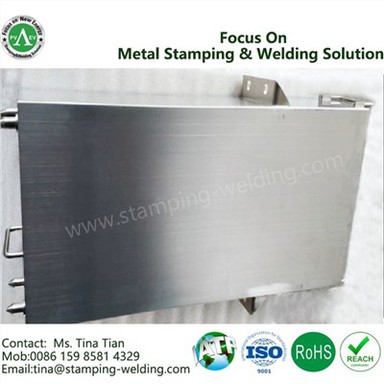


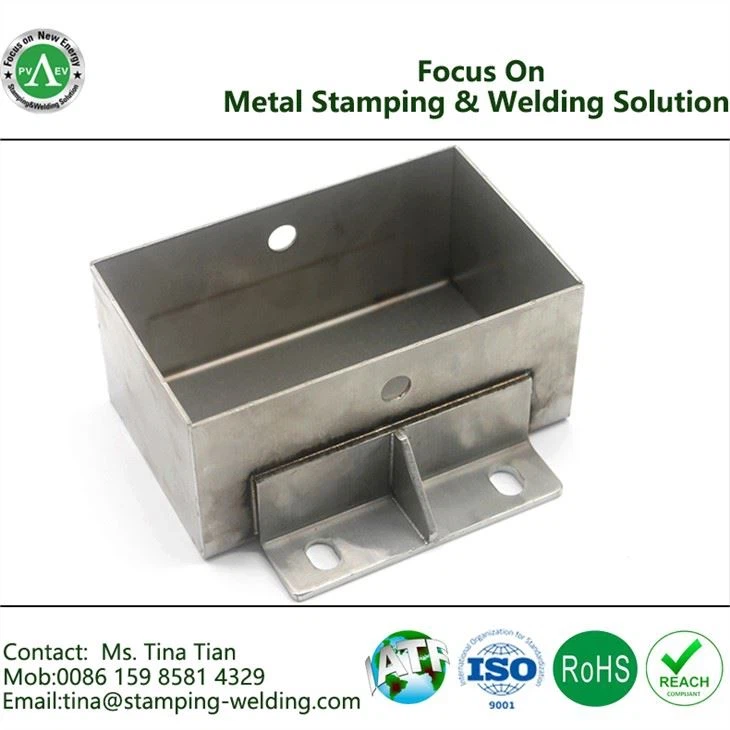
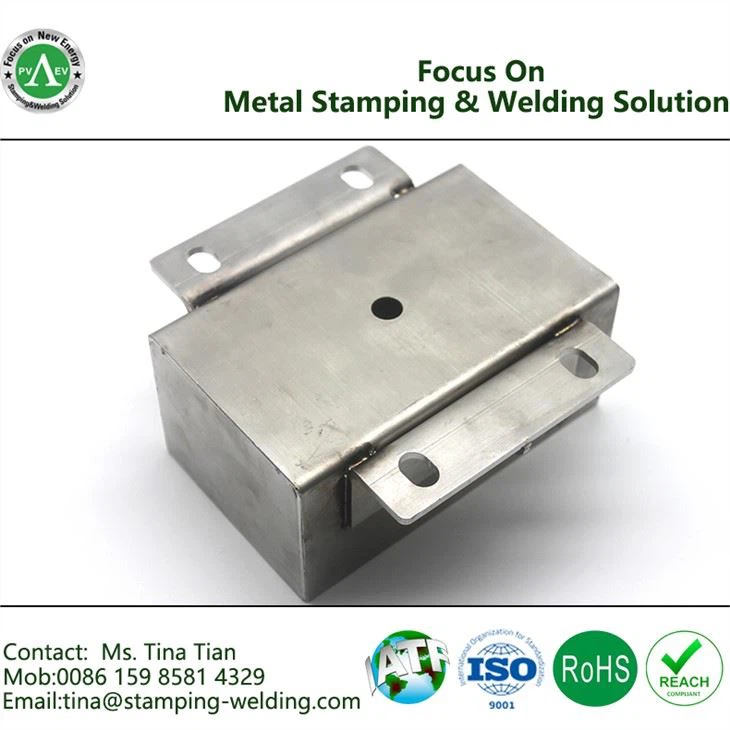
Stainless Steel 304 Case for Capacitor
Stainless steel 304 case for capacitors provides high corrosion resistance, mechanical strength, and temperature stability, ensuring the reliable operation of the capacitor element housed within.
- Fast Delievery
- Quality Assurance
- 24/7 Customer Service
Product Introduction
PRODUCT INTRODUCTION
Stainless steel 304 case for capacitors provides high corrosion resistance, mechanical strength, and temperature stability, ensuring the reliable operation of the capacitor element housed within.

PROCESSING TECHNOLOGY
——
- Sheet Metal Forming: The initial step involves the forming of stainless steel 304 into the desired shape of the capacitor case. This typically involves stamping, bending, and drawing processes to create the flat sheet metal into a three-dimensional shape that encloses the capacitor element. Sheet metal forming must be done carefully to ensure accurate dimensions and wall thickness while maintaining the desired shape and appearance.
- Welding: Welding is often used to join the different components of the stainless steel 304 capacitor case during the manufacturing process. Welding operations may include spot welding, seam welding, or projection welding to join the different components into a leak-tight case. Welding must be done carefully to avoid any welding defects that could affect capacitor performance or durability.
- Electropolishing: After welding, the outer surface of the capacitor case may undergo electropolishing to achieve a smooth and contamination-free surface. This process removes any remaining welding imperfections or irregularities from the surface, improving the appearance and accuracy of the capacitor case.
- Coating: Coating may be applied to the stainless steel 304 capacitor case to provide corrosion resistance, improve wear resistance, or enhance appearance. Coating methods may include painting, anodizing, or electroplating. The coating must be chosen carefully to ensure compatibility with the capacitor case material and prevent any chemical reactions or interactions that could affect capacitor performance or durability.
- Assembly: The final step involves assembling all of the components into a complete stainless steel 304 capacitor case. This typically includes inserting the capacitor element into its housing and ensuring a secure fit, as well as attaching any additional components such as temperature sensors or battery management systems. Assembly also involves testing and quality control to ensure proper function and safety of the capacitor case.

SURFACE TREATMENT
——
- Cleaning: The surface of the Stainless Steel 304 Case for Capacitor is cleaned to remove any impurities, dirt, or oil residue from the manufacturing process. This typically involves using solvents, detergents, or chemical cleaners to remove any remaining debris or contamination. Cleaning also ensures a clean surface for the subsequent surface treatment processes.
- Polishing: Polishing is typically done to achieve a smooth and mirror-like finish on the surface of the stainless steel 304 case. Polishing methods may include mechanical polishing, chemical polishing, or electrochemical polishing to remove any surface imperfections or roughness, and to achieve the desired appearance and surface finish.
- Passivation: Passivation treatment is typically applied to the stainless steel 304 case to improve its corrosion resistance and durability. Passivation treatment involves oxidizing the surface of the stainless steel 304 case through exposure to an oxidizing agent such as nitric acid or through electrolytic treatment in an oxidizing solution. This treatment forms a protective oxide layer on the surface of the stainless steel 304 case that resists corrosion and wear.
- Painting or Anodizing: Painting or anodizing may be applied to the surface of the stainless steel 304 case to provide additional corrosion resistance and aesthetic appearance. Painting can provide a protective coating that seals the surface and protects it from corrosion and wear. Anodizing converts the surface of the stainless steel 304 case into a hard oxide layer that provides improved wear resistance and corrosion protection.
- Electroplating: Electroplating is a common surface treatment method used to deposit a thin layer of a different metal onto the surface of the stainless steel 304 case. Electroplating may be done to provide additional corrosion resistance, wear resistance, or aesthetic appearance. The plating material chosen should be compatible with the capacitor case material and prevent any chemical reactions or interactions that could affect capacitor performance or durability.
PRODUCT INSPECTION
——
- Visual Inspection: Visual inspection is the first and most basic inspection method used to check the appearance and general condition of the stainless steel 304 capacitor case. This inspection involves inspecting the case for any surface imperfections, such as scratches, dents, or welding defects, and ensuring that the case is clean and free from any foreign objects or contamination.
- Dimensional Inspection: Dimensional inspection is used to check the dimensions and tolerances of the stainless steel 304 capacitor case. This inspection typically involves using gauges, calipers, or other measuring instruments to measure key dimensions, such as the length, width, height, and wall thickness of the case, and comparing them to the specified tolerances and dimensions.
- Sealing and Leak Test: The sealing and leak test is used to ensure that the stainless steel 304 capacitor case is leak-tight and meets the specified sealing requirements. This test typically involves pressurizing the case with a gas or liquid and monitoring for any leaks or pressure loss over a period of time.
- Electrical Testing: Electrical testing is used to ensure that the stainless steel 304 capacitor functions properly and meets the specified electrical requirements. This testing typically involves measuring the capacitance, impedance, and other electrical parameters of the capacitor, and comparing them to the specified values.
- Environmental Testing: Environmental testing is used to ensure that the stainless steel 304 capacitor case performs reliably under the specified environmental conditions. This testing typically involves subjecting the capacitor to various temperature, humidity, and other environmental conditions and monitoring its performance over time.
- Finish and Coating Inspection: The finish and coating inspection is used to check the surface finish and coating quality of the stainless steel 304 capacitor case. This inspection typically involves inspecting the surface finish for smoothness, uniformity, and any coating imperfections such as pitting, flaking, or discoloration.
- Functional Testing: Functional testing is used to ensure that the stainless steel 304 capacitor case performs its intended function properly. This testing typically involves assembling the capacitor case with its components and testing its overall function under simulated operating conditions.
- Non-Destructive Testing: Non-destructive testing methods such as X-ray inspection or ultrasonic testing may be used to check the internal quality of stainless steel 304 capacitor case and identify any hidden welding defects or internal flaws that may not be detected during visual or dimensional inspection.
- Quality Control: Quality control procedures are essential to ensure that all inspection results are recorded, analyzed, and compared to the specified standards or customer requirements. Quality control also involves trending any issues or defects found during inspection and taking corrective actions to improve future production quality.
OUR ADVANTAGES
——
- Cooperated with many fuse manufacturers for many years, experienced in providing not only qualified products but also product solutions and technical process experience for customers.
- We accept the processing of Copper, Brass, Bronze (beryllium, phosphor, etc.), Carbon steel (CRS/SPCC, SECC, etc.), Stainless steel, Aluminum alloy, and other materials in accordance with customer requests.
- We have our own experienced mold design team, and mold design to be completed in about 25-30 days. All the processes for making the terminal punching hole, bending, and forming in one tooling. So the sizes of the terminal are stable with a production efficiency of 200pcs/min.
OUR FACTORY
——
Apollo is located in the China port city of Xiamen. As a global supplier of the components for electric fuse, busbars, stain-less steel shells, and aluminum cans for batteries and other EV electronic products, Apollo is to create added value for customers around the world. Based on the powerful group of companies, we have advantages in the industry chains of related parts and products. We also have our R&D production of the Metal Stamping Die, Plastic Injection Molding, and so on. We specialize in new energy Fuse Contact Cap, Insulated Busbars, Aluminum Casings for new energy lithium batteries and solid-state batteries, etc., and we have accumulated successful experiences in electrical products for New Energy Vehicles, Photovoltaics, Energy Storage, Rail Transit, and other industries. Supplying our customers with a complete set of solutions from product design, raw material selection, different processes, technology improvement, trend marketing, etc.
FAQ
——
Q1: DO YOU TEST ALL YOUR GOODS BEFORE DELIVERY?
A1: Yes, we have 100% test before delivery.
Q2:DO YOU SUPPORT CUSTOMIZATION/ODM/OEM?
A2:Yes, we do provide technical support.
Q3: WHAT IS YOUR TERMS OF PAYMENT?
A3: Usually, we accept T/T, irrevocable L/C at sight, For regular orders, we prefer 30% in advance,70% against the copy of B/L.
Q4: PROVIDE FREE SAMPLE?
A4: For sure, we are willing to supply samples for quality checking.
Yes, but it is normal to pay freight collection for the sample.
Q5:WHAT’S YOUR DELIVERY TIME?
A5: About 5-7 days for samples,15-20 days for mass production.
Q6: WHAT'S YOUR AVAILABLE PORT OF SHIPMENT?
A6: Normally Ningbo Port or Xiamen Port.
OUR CUSTOMERS
——
We cooperate with many large enterprises, including some world-renowned automobile manufacturers, such as Mercedes-Benz, Tesla, Audi, Honda, etc. The selection of these partners fully reflects our reputation and professional knowledge in the industry.
We have customers from both the domestic market and overseas market. Our main sales market: China 30%, America 20%, Europe 20%, Japan 10%, Korea 5% and Other Countries 15%.

CONTACT US
Hot Tags: stainless steel 304 case for capacitor, China, manufacturers, suppliers, factory