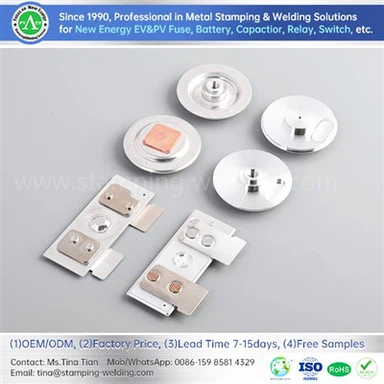


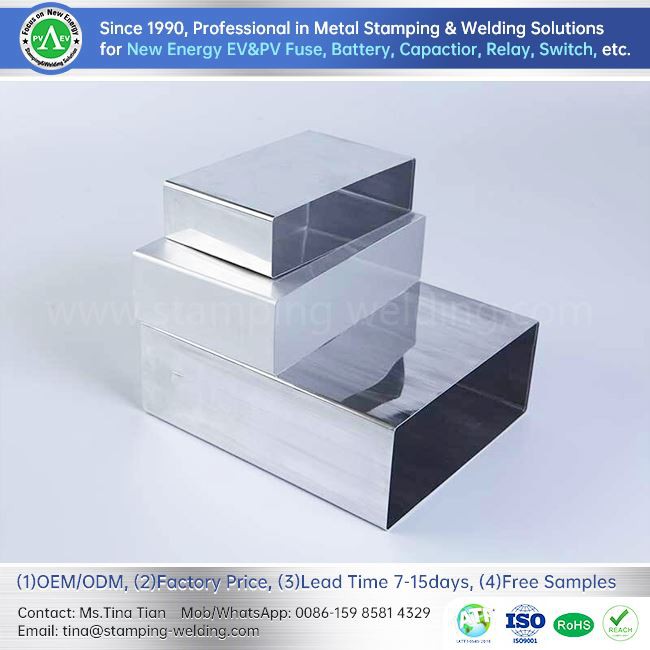


electric scooter battery shell
electric scooter battery shell is a specialized casing designed to house lithium thionyl chloride batteries. These batteries are known for their high energy density and long shelf life, making them ideal for various applications. The Battery Shell ensures the safe and efficient operation of these batteries in a wide range of industries, including medical devices, industrial equipment, and remote sensors.
- Fast Delievery
- Quality Assurance
- 24/7 Customer Service
Product Introduction
Products Description
This protective shell is engineered to withstand harsh environmental conditions and maintain the integrity of batteries. It plays a critical role in safeguarding these batteries during their lifespan, making them a reliable choice for long-term, high-performance applications where durability and energy efficiency are essential.

Protective Function
- Chemical Resistance: The shell is engineered to resist the corrosive properties of electrolytes. Batteries can generate a highly reactive chemical environment during discharge, and the shell acts as a barrier to prevent leakage or damage to surrounding components.
- Leakage Prevention: One of the primary concerns with batteries is the potential for electrolyte leakage, which can be hazardous and damage the equipment. The Battery Shell is designed with multiple layers and sealing mechanisms to prevent any electrolyte leakage, ensuring the integrity of the battery and the safety of the device.
- Environmental Protection: These batteries are often used in harsh environments, including extreme temperatures and humidity. The shell provides a protective barrier against environmental factors, safeguarding the battery's performance and preventing external elements from affecting its operation.
- Mechanical Durability: The Battery Shell is constructed to withstand mechanical stress and impact. This durability is crucial for applications where the battery may be subjected to vibrations, shocks, or rough handling, ensuring that the battery remains intact and functional.
- Long-Term Storage: batteries are known for their exceptional shelf life, often spanning several years. The shell's protective design helps maintain the battery's capacity and prevents self-discharge during extended periods of storage, making it reliable for applications that require infrequent use.
- Safety: Above all, the shell prioritizes safety. It includes safety features such as pressure relief mechanisms to prevent overpressure situations and protect against potential hazards in case of abuse or malfunction.
Product Testing
- Leakage Testing: One of the primary concerns with batteries is electrolyte leakage, which can be detrimental. Battery shells undergo rigorous leakage testing to confirm their hermetic sealing. This involves subjecting the shells to elevated pressures or vacuum conditions and monitoring for any signs of leakage.
- Dimensional Checks: Precise dimensions are critical for battery shells to fit seamlessly within battery assemblies. Dimensional checks ensure that the shells meet specific tolerances and specifications.
- Material Verification: The materials used in battery shell production are verified for compliance with industry standards. This includes checking the composition and properties of the metal or alloy used.
- Pressure Testing: Battery Shells are often subjected to pressure testing to ensure their integrity under different pressure conditions. This simulates the internal pressure variations that can occur during the battery's operation.
- Corrosion Resistance: Battery shells may undergo corrosion resistance testing to assess their performance when exposed to the corrosive electrolyte used in batteries. This test helps verify the shell's ability to withstand prolonged exposure to the electrolyte without degradation.
- Impact and Vibration Testing: Depending on the application, battery shells may be subjected to impact and vibration testing to ensure their structural integrity and resistance to mechanical stress.
- Temperature Testing: Battery shells should be tested under various temperature conditions to assess their thermal stability. This ensures that they can withstand the temperature ranges they may encounter during use.
- Safety Features Testing: If the battery shell incorporates safety features such as pressure relief mechanisms or vents, these features are tested to ensure they function correctly under specific conditions.
- Functional Testing: In some cases, functional testing may be performed to confirm that the battery shell integrates properly with other battery components and that it functions as intended in the overall battery system.
- Durability Testing: Durability testing assesses the long-term performance and robustness of the battery shell. This can involve subjecting the shell to repeated stress cycles or accelerated aging tests.
- Compliance Testing: Battery shells are tested to ensure they meet relevant industry standards and safety regulations. Compliance with standards is crucial for product certification and customer trust.
- Quality Control: Throughout the testing process, strict quality control measures are applied to identify and address any defects or non-conformities in the battery shells.

Material properties
Malleability and Formability: Aluminum can be easily shaped and molded into various intricate designs and forms. This flexibility in manufacturing enables the production of complex and customized product designs, meeting specific requirements.
Recyclability: Aluminum is highly recyclable, and recycling it requires significantly less energy compared to primary aluminum production. This aligns with sustainability goals and reduces the product's environmental footprint.
Aesthetic Appeal: Aluminum has a visually appealing, metallic finish that can enhance the product's overall aesthetics. This is important in consumer-facing applications where appearance matters.
Conductive Properties: Aluminum is an excellent conductor of electricity, which is advantageous in applications where electrical conductivity is required.

our partners
We cooperate with many large enterprises, including some world-renowned automobile manufacturers, such as Mercedes-Benz, Tesla, Audi, Honda, etc. The selection of these partners fully reflects our reputation and professional knowledge in the industry.

contact us
Starting from 2010, our expertise has been focused on delivering specialized solutions in stamping and welding for a range of applications, including electric vehicle busbars and laminated busbars, contacts and caps for electric vehicles and photovoltaic systems, aluminum shells for power batteries, as well as steel and aluminum cans for power capacitors.

Hot Tags: electric scooter battery shell, China, manufacturers, suppliers, factory