Aluminum Stamping In The New Energy Photovoltaic Industry
May 22, 2025
Definition and Overview
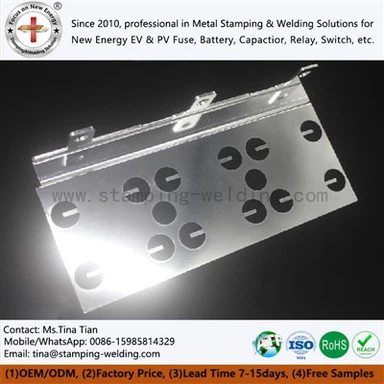
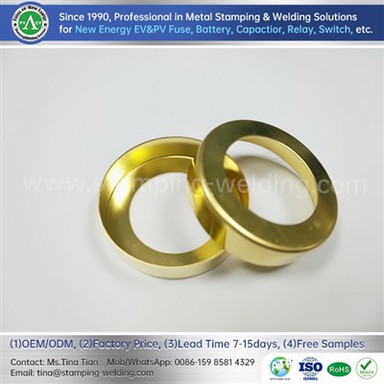
In the new energy photovoltaic industry, aluminum stamping parts refer to components made from aluminum alloys through the stamping process. Stamping is a metal-forming process that uses a press machine and a set of dies to deform a flat sheet of aluminum into a desired shape. These parts play a crucial role in various aspects of photovoltaic systems, from structural support to electrical connectivity.
Aluminum alloys are preferred in the photovoltaic industry due to their unique combination of properties. They offer a good balance between strength and weight, which is essential for applications where reducing the overall weight of the system is important, such as in rooftop photovoltaic installations or in the construction of large metal-forming scale solar farms. Additionally, aluminum has excellent corrosion-resistance properties, making it suitable for outdoor use in photovoltaic systems that are constantly exposed to various weather conditions.

Advantages of Aluminum Stamping Parts in the Photovoltaic Industry
Lightweight
One of the most significant advantages of Aluminum Mounting Brackets is their lightweight nature. Compared to other metals like steel, aluminum alloys have a much lower density. In photovoltaic systems, especially those installed on rooftops, reducing the weight of components is crucial. A lighter system places less stress on the building structure, which can simplify installation and potentially reduce costs associated with structural reinforcement. For large-scale solar farms, lighter components also make transportation and installation more efficient.
Corrosion Resistance
Aluminum naturally forms a thin, protective oxide layer on its surface when exposed to air. This oxide layer provides excellent corrosion resistance, making aluminum stamp highly durable in outdoor environments. In the photovoltaic industry, where components are often exposed to rain, humidity, and other weather elements, corrosion resistance is essential to ensure the long-term reliability and performance of the system. This property reduces the need for frequent maintenance and replacement of parts, ultimately lowering the overall cost of ownership.
Electrical Conductivity
While not as conductive as copper, aluminum still has good electrical conductivity. In photovoltaic systems, aluminum stamp can be used in electrical connections, such as busbars or connectors. Their conductivity allows for the efficient transfer of electrical current generated by solar panels, contributing to the overall performance of the system. Moreover, the use of aluminum in electrical components can be more cost-effective compared to some other highly conductive materials.
Formability
Aluminum alloys have excellent formability, which means they can be easily shaped into complex geometries through the stamping process. This allows for the production of custom-designed parts that meet the specific requirements of photovoltaic systems. Whether it's creating brackets with precise angles for mounting solar panels or designing enclosures with intricate features for protecting electrical components, the formability of aluminum enables the production of parts that are both functional and optimized for space and weight.
Manufacturing Process of Aluminum Stamping Parts
Material Selection
The first step in manufacturing aluminum stamp is selecting the appropriate aluminum alloy. Different alloys have varying properties, such as strength, formability, and corrosion resistance. For example, 6061 - T6 aluminum alloy is commonly used in the photovoltaic industry due to its good balance of strength, corrosion resistance, and machinability. Once the alloy is selected, the aluminum sheet is cut to the required size and thickness.
Die Design and Fabrication
Die design is a critical aspect of the stamping process. The die is a tool that shapes the aluminum sheet into the desired part. It consists of two main components: the punch and the die block. The design of the die must take into account the shape, size, and complexity of the part to be produced. Advanced computer - aided design (CAD) software is often used to create precise die designs. After the design is finalized, the die is fabricated using high - quality tool steel or other suitable materials.
Stamping Operation
The aluminum sheet is then placed between the punch and the die block in the press machine. The press applies a high amount of force, causing the aluminum sheet to deform according to the shape of the die. This process can be a single - stage operation for simple parts or a multi - stage operation for more complex geometries. During the stamping process, factors such as the speed of the press, the force applied, and the temperature of the aluminum sheet need to be carefully controlled to ensure the quality of the part.
Secondary Operations
After the stamping operation, some Aluminum Mounting Brackets may require secondary operations. These can include trimming excess material, deburring to remove sharp edges, and surface finishing processes such as anodizing or powder coating. Anodizing, for example, can enhance the corrosion resistance and appearance of the part, while powder coating provides an additional layer of protection and can also be used for aesthetic purposes.
Applications of Aluminum Stamping Parts in the Photovoltaic Industry
Mounting Structures
Aluminum stamping parts are widely used in the construction of mounting structures for solar panels. These include brackets, clamps, and frames. The lightweight strength of aluminum makes it an ideal material for creating structures that can securely hold solar panels in place, whether on rooftops or in large-scale solar farms. The formability of aluminum also allows for the design of mounting structures that can adapt to different installation requirements, such as varying roof pitches or terrain in solar farms.
Enclosures and Housings
For protecting sensitive electrical components in photovoltaic systems, such as inverters and controllers, metal-stamped aluminum is used to create enclosures and housings. The corrosion-resistance of aluminum ensures that these enclosures can withstand outdoor conditions, while their formability enables the creation of custom-designed enclosures with features like ventilation holes, cable entry points, and mounting bosses.
Electrical Connectors and Busbars
As mentioned earlier, aluminum's electrical conductivity makes it suitable for use in electrical connectors and busbars. These parts are essential for ensuring the proper electrical connection and current flow within the photovoltaic system. Aluminum Mounting Brackets allows for the production of connectors and busbars with precise dimensions and geometries, which are crucial for reliable electrical connections.
Frame Components for Solar Panels
Some solar panels also use metal stamping aluminum as frame components. These frames not only provide structural support to the solar panels but also help in protecting the internal photovoltaic cells. The lightweight and corrosion-resistant properties of aluminum make it an excellent choice for this application, contributing to the overall durability and performance of the solar panels.

Quality Control of Aluminum Stamping Parts
Dimensional Inspection
Dimensional accuracy is crucial for metal stamping aluminum in the photovoltaic industry. Using precision measuring tools such as calipers, micrometers, and coordinate-measuring machines (CMMs), manufacturers check the dimensions of the parts to ensure they meet the design specifications. Any deviation from the required dimensions can affect the fit and function of the parts in the photovoltaic system.
Surface Inspection
The surface quality of metal-stamped aluminum is also carefully inspected. This includes checking for defects such as cracks, dents, scratches, and uneven surfaces. Defects on the surface can not only affect the appearance of the part but also potentially compromise its performance, especially in applications where corrosion resistance or electrical conductivity is critical. Visual inspection and non - non-destructive testing methods like eddy-current testing can be used for surface inspection.
Material Property Testing
To ensure that the Aluminum Photovoltaic Bracket Accessories have the required mechanical and physical properties, material property testing is conducted. This can include tensile testing to measure the strength and ductility of the aluminum alloy, hardness testing to assess the material's resistance to deformation, and corrosion testing to verify its corrosion-resistance properties. These tests help ensure that the parts will perform reliably in the harsh environment of photovoltaic systems.
Future Trends of Aluminum Stamping Parts in the Photovoltaic Industry
1. Increasing Demand for Lighter and Stronger Parts
As the photovoltaic industry continues to grow, there will be an increasing demand for lighter and stronger aluminum stamping parts. This will drive the development of new aluminum alloys with improved properties and the optimization of the stamping process to further reduce weight while maintaining or increasing strength. For example, the use of advanced alloying elements and heat - treatment processes may lead to the creation of aluminum alloys with even better strength - to - weight ratios.
2. Integration with Advanced Manufacturing Technologies
The future of Aluminum Mounting Brackets in the photovoltaic industry will also involve integration with advanced manufacturing technologies. This includes the use of digital twins for virtual prototyping and process optimization, as well as the application of artificial intelligence and machine learning in quality control and production planning. These technologies will help improve the efficiency, precision, and quality of Aluminum Photovoltaic Bracket Accessories production.
3. Focus on Sustainability
Sustainability is becoming an increasingly important aspect in the photovoltaic industry, and Aluminum Photovoltaic Bracket Accessories are no exception. Manufacturers will likely focus on using more sustainable production methods, such as reducing energy consumption during the stamping process and recycling aluminum scrap. Additionally, the development of environmentally friendly surface - finishing processes will also be a trend, further enhancing the sustainability of Aluminum Photovoltaic Bracket Accessories in the photovoltaic industry.
Conclusion
Aluminum stamping parts play a vital role in the new energy photovoltaic industry. Their unique combination of properties, such as lightweight, corrosion resistance, electrical conductivity, and formability, makes them indispensable components in photovoltaic systems. With continuous advancements in manufacturing processes, material development, and a growing focus on sustainability, metal stamping of aluminum will continue to evolve and contribute to the growth and efficiency of the photovoltaic industry in the future.

contact us