


Automotive Busbars in Electric Vehicles
Jul 06, 2025
An Automotive BusBar is a crucial component in modern vehicles, serving as a conductive pathway for electrical power distribution. Typically made from copper or aluminum, BusBars are designed to efficiently connect multiple electrical circuits, ensuring reliable power delivery to various automotive systems such as lighting, infotainment, and electric propulsion. Their compact design allows for space-saving arrangements in the vehicle's architecture, which is particularly important in electric and hybrid vehicles where space is at a premium.

Production process
Material Selection
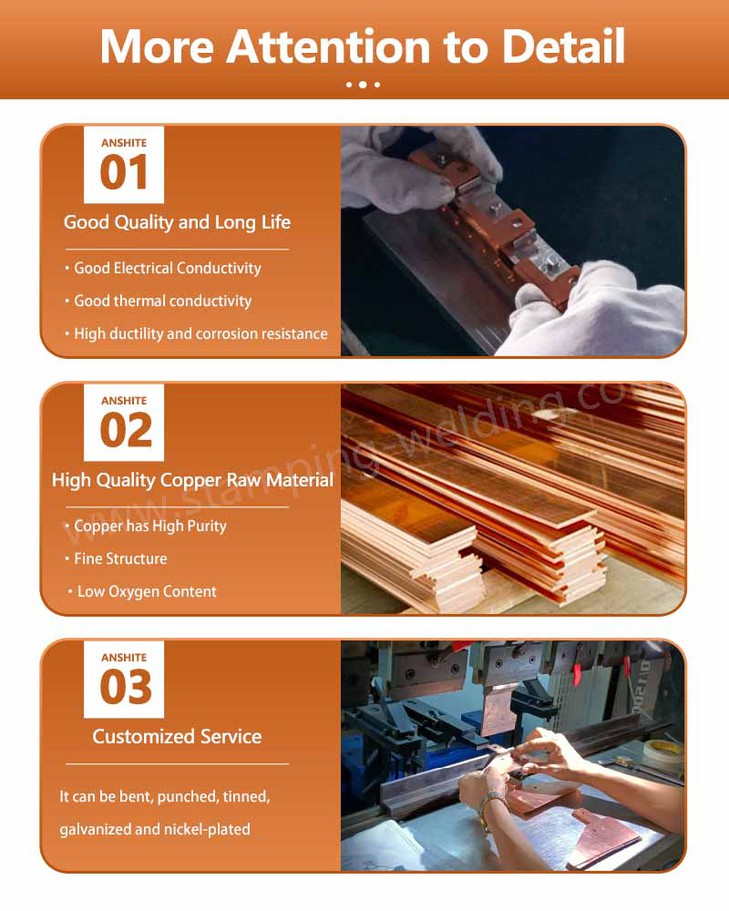
For automotive busbars, materials like copper and aluminum are commonly chosen. Copper offers excellent electrical conductivity, while aluminum is lighter and more cost - effective. In the case of Automotive BusBar PET Insulation, PET insulation material is carefully selected to ensure proper electrical isolation. The insulation protects the busbar from short - circuits and environmental factors.
Cutting and Shaping
The selected metal material is first cut into appropriate sizes according to the design requirements of the busbar. Then, it undergoes a shaping process. This can involve stamping, bending, or machining to create the specific shape needed for the automotive application, such as the shape required for a Car Battery Bus Bar or an Automotive Ground Bus Bar.
Insulation Application
If the busbar requires insulation, like in the case of Automotive BusBar PET Insulation, the insulation material is applied. This can be done through processes such as coating, laminating, or wrapping. The insulation layer is carefully applied to ensure uniform coverage and proper adhesion to the busbar surface.
Assembly and Testing
After the busbar is shaped and insulated, it is assembled with other components if necessary. For example, it may be connected to terminals or other electrical parts. Once assembled, the busbar undergoes rigorous testing to ensure its electrical performance, mechanical strength, and insulation properties meet the required standards.

Standard Configuration
1. Electrical Parameters: The automotive busbar must meet specific electrical conductivity requirements. It should have low resistance to minimize power loss during the flow of electricity. The voltage rating is also a crucial parameter, ensuring that the busbar can handle the electrical load in the automotive electrical system.
2. Mechanical Dimensions: Precise mechanical dimensions are essential for proper installation in the automotive environment. The length, width, and thickness of the busbar are carefully controlled. For example, a BusBar automotive used in a tight - space engine compartment must have dimensions that fit the available space.
3. Insulation Properties: In the case of insulated busbars like Automotive BusBar PET Insulation, the insulation must have a certain dielectric strength. This ensures that it can withstand the electrical potential difference without breaking down and causing a short - circuit. The insulation should also be resistant to heat, chemicals, and moisture.
4. Connection Design: The busbar should have well - designed connection points. These connections need to be reliable, with low contact resistance to ensure a stable electrical connection. The connection design should also be easy to assemble and disassemble for maintenance purposes.
Type Summary
1. Power Bus Bars: These are used to carry high - current electrical power in the automotive electrical system. For example, a Car Battery Bus Bar is a type of power bus bar that connects the battery to other electrical components in the vehicle, such as the starter motor and the electrical control unit.
2. Ground Bus Bars: Automotive Ground Bus Bars provide a common ground connection for various electrical components in the vehicle. They help to ensure proper electrical grounding, which is essential for the safe and reliable operation of the electrical system.
3. Signal Bus Bars: These busbars are used to transmit low - current electrical signals between different parts of the vehicle's electrical system. They are crucial for the communication between sensors, actuators, and control modules.
4. Insulated Bus Bars: Busbars with insulation, like Automotive BusBar PET Insulation, are used in applications where electrical isolation is required. They prevent electrical interference and short - circuits, especially in areas where multiple busbars are in close proximity.
Products features
Visual Inspection
The busbar should have a smooth surface finish, free from scratches, dents, or other visible defects. The insulation layer, if present, should be evenly applied and have a consistent appearance.
Labeling and Marking
Clear labeling and marking are essential for easy identification of the busbar. This includes information such as its electrical rating, part number, and installation instructions. For example, a BusBar automotive may be marked with its voltage and current ratings for proper installation and maintenance.
Internal Structure Visualization
Advanced techniques such as X - ray inspection can be used to visualize the internal structure of the busbar. This helps to detect any internal defects, such as voids in the insulation or cracks in the metal core.
Performance Data Display
The performance data of the busbar, such as its electrical conductivity, resistance, and temperature rise under load, should be clearly displayed. This information is useful for engineers and technicians during the design and maintenance of the automotive electrical system.
Products applications
1. Battery Systems: Car Battery Bus Bars are used to connect the battery terminals to the rest of the electrical system. They ensure efficient power transfer from the battery to the vehicle's electrical components, such as the lights, radio, and engine control unit.
2. Engine Compartment: BusBar automotive components are used in the engine compartment to distribute electrical power to various engine - related components, such as the fuel injection system, ignition system, and cooling fans.
3. Electrical Control Units: Busbars are used to connect different electrical control units in the vehicle. They enable the communication and power supply between these units, which are responsible for controlling various functions of the vehicle, such as the anti - lock braking system and the airbag system.
4. Lighting Systems: In the automotive lighting system, busbars are used to distribute power to the headlights, taillights, and interior lights. They ensure reliable and efficient lighting operation.

contact us


