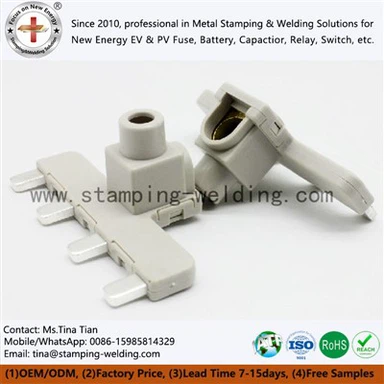
Brass Sheet Metal Stamping: Key Process & Benefits
Jun 25, 2025
Brass sheet metal stamping is a vital manufacturing process that plays a crucial role in various industries, from electronics to automotive. This article will delve into the intricacies of Brass Precision Stamping Parts, its benefits, applications, and how it stands out in the world of sheet metal fabrication.

What is Brass Sheet Metal Stamping?
Brass sheet metal stamping involves forming brass sheets into specific shapes and sizes. This process uses a stamping press, which applies pressure to the brass sheet, forcing it into a die. The result is a precisely shaped brass component, ready for use in different applications.

Why Use Brass? Key Material Advantages
Brass, an alloy of copper and zinc, offers several advantages in sheet metal fabrication:
Corrosion Resistance
Brass is highly resistant to corrosion, making it ideal for environments where moisture and chemicals are present.
01
Electrical Conductivity
This property makes brass perfect for electrical applications, such as switch sockets and connectors.
02
Malleability
Brass is easy to work with, allowing manufacturers to create intricate designs and shapes.
03
Aesthetic Appeal
With its rich golden color, brass adds a touch of elegance and sophistication to any product.
04
The Brass Sheet Metal Stamping Process
1. Designing the Die
The first step is to create a die, a specialized tool that shapes the brass sheet. The die is designed to match the desired shape and dimensions of the final product.
2. Preparing the Brass Sheet
The brass sheet is cut to size and cleaned to ensure a smooth stamping process.
3. Stamping
The brass sheet is placed in the stamping press, where it is pressed into the die with significant force. This step may involve several stages, depending on the complexity of the design.
4. Finishing
After stamping, the brass component may undergo additional processes, such as polishing or coating, to enhance its appearance and durability.
Applications of Stamped Brass Components
Brass sheet metal stamping parts are essential in various industries due to their durability and versatility.
Electrical Industry
Brass is commonly used for manufacturing electrical brass press parts for switch sockets, connectors, and terminals. Its excellent conductivity and corrosion resistance make it an ideal choice.
01
Automotive Industry
The automotive industry relies on brass for its strength and resistance to wear. Brass components are used in various parts of vehicles, including engine parts, radiators, and fuel systems.
02
Plumbing and Heating
Brass is widely used in plumbing and heating applications due to its resistance to corrosion and ability to withstand high temperatures. Stamped brass components are found in faucets, valves, and fittings.
03
Decorative Applications
Thanks to its appealing appearance, brass is used in decorative applications such as architectural elements, jewelry, and musical instruments.
04
Key Design Considerations for Brass Stamping
Designing brass sheet metal parts requires careful consideration of several factors:
1. Material Thickness
Selecting the appropriate material thickness is crucial for achieving the desired strength and functionality of the brass component.
2. Tolerances
Tolerances refer to the allowable deviation from the specified dimensions. It's essential to set realistic tolerances to ensure proper fit and function.
3. Design Complexity
The complexity of the design impacts the stamping process. Intricate designs may require more stamping stages or specialized tools.
4. Surface Finish
Consider the desired surface finish-polished, matte, or coated-as it affects both appearance and performance.

Choosing the Right Brass Stamping Partner
Selecting the right partner for your Brass Sheet Metal Parts needs is crucial to ensure high-quality components and successful project outcomes.
1. Industry Experience
Look for a manufacturer with extensive experience and a deep understanding of brass material behavior.
2. Quality Control
A reputable manufacturer should have strict quality control procedures to meet required specifications and standards.
3. Customization Capabilities
Choose a partner that offers customization options, such as custom die creation, varied material thicknesses, and finish types.
4. Advanced Technology
Ensure your partner uses up-to-date machinery and production techniques for accurate, high-efficiency manufacturing.
Conclusion
Brass sheet metal stamping is a vital process in modern manufacturing, offering numerous benefits and applications across various industries. By understanding the intricacies of this process and selecting the right partner, you can ensure the production of high-quality brass components that meet your specific needs.
Whether you're in the electrical, automotive, or decorative industries, Brass Precision Stamping Parts offers the versatility, durability, and aesthetic appeal necessary for successful product development.
contact us