Copper And Aluminum: Two Major Choices Of Busbar Raw Materials And Their In-depth Analysis
Jan 15, 2025
In the power transmission and distribution system, the busbar is a key conductive material, and the choice of its raw materials is crucial. Copper and aluminum are two common busbar raw materials, each with unique characteristics and application advantages. The following are the main differences between copper and aluminum as busbar raw materials:

1. Conductive performance
Copper: Copper has excellent conductivity, and its conductivity is much higher than that of aluminum. Under the same cross-sectional area, Copper BusBar can carry more current while generating less heat. This makes copper busbars perform well in application scenarios that require high conductivity.
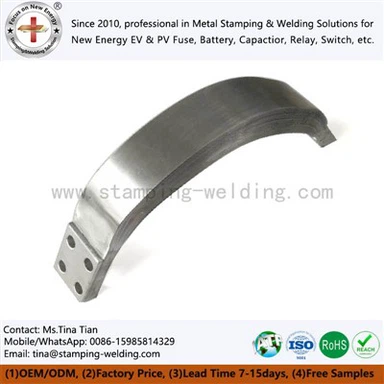
Aluminum: Although the conductivity of aluminum is slightly inferior to that of copper, the conductivity of aluminum alloys is gradually improving. In specific application scenarios, Flexible Aluminum Connections can also meet basic conductivity needs, and the price is more affordable.
2. Weight and cost
Copper: Copper has a large specific gravity, so the weight of Copper BusBar is relatively heavy. This increases the installation cost and has a certain impact on the load of the entire system.
Aluminum: The specific gravity of aluminum is much lower than that of copper, and the weight of Aluminum Flexible Connections is lighter. This reduces installation costs, reduces system load, and improves overall efficiency. At the same time, the price of aluminum is relatively low, and the use of such products can significantly reduce production costs.

3. Corrosion resistance and oxidation resistance
Copper: Copper has better corrosion resistance and oxidation resistance than aluminum. In harsh environments, Copper Ground Bus Bar can still maintain good electrical properties and extend service life.
Aluminum: Aluminum also has certain corrosion resistance and oxidation resistance, but it is slightly inferior to copper. However, the corrosion resistance and oxidation resistance of Flexible Aluminium Connections can be further improved through technical means such as surface treatment and alloying.
4. Application scenarios
Copper: Copper BusBar is suitable for application scenarios that require high conductivity and stability, such as large data centers, substations, etc. In these scenarios, the product can ensure the stability and efficiency of power transmission.
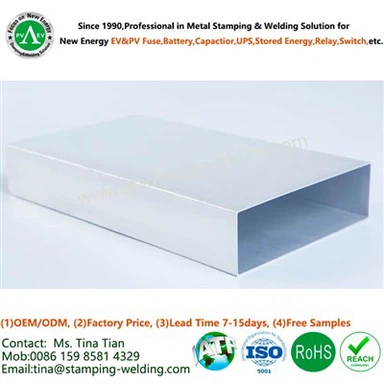
Aluminum: Customized Aluminium Busbars are more suitable for application scenarios with strict requirements on weight and cost, such as new energy vehicles, energy storage systems, etc. In these scenarios, the lightweight and cost-effective characteristics of this product make it an ideal choice.
5. Other factors
In addition to the above main differences, other factors need to be considered in the manufacturing process of busbars, such as material processing performance, welding performance, and compatibility with other components. These factors will also affect the choice of copper and aluminum in busbar manufacturing.

In summary, copper and aluminum, as raw materials for busbars, each have distinct characteristics and applicable scenarios. As a professional busbar manufacturer, we are committed to in-depth understanding of customer needs, combining material properties, and providing customized solutions to ensure that the performance, cost, environmental protection and sustainability of the busbar are optimally balanced. Whether it is Copper Ground Bus Bar or Customized Aluminum Busbars, we will meet your expectations for power transmission and distribution systems with the highest quality standards. If you are interested in our products and services, please click the business card below to contact us~