


PLC Cabinets: The Command Center Of Industrial Automation
May 02, 2025
Introduction to PLC Cabinets
In the realm of industrial automation, PLC cabinets serve as the nerve center, playing a pivotal and indispensable role. A Control System Cabinet with PLC is an enclosed structure specifically designed to house and protect PLCs, along with associated electrical components, wiring, and communication devices. These cabinets act as the central hub for controlling and monitoring various industrial processes, ensuring smooth, efficient, and reliable operation across a wide range of manufacturing, processing, and control applications.
Core Functions of PLC Cabinets
Process Control and Automation
The primary function of a PLC Panel Cabinet is to execute programmed instructions for process control. PLCs inside the cabinet can monitor and control multiple inputs from sensors, such as temperature, pressure, and flow rate, and then send corresponding output signals to actuators like motors, valves, and relays. By following pre-programmed logic sequences, PLC control cabinets enable automated control of complex industrial processes, reducing the need for manual intervention, increasing production efficiency, and minimizing human error-related risks.
Equipment Protection
It provides a protective shield for the delicate and sensitive PLCs and other electrical components. They safeguard against physical damage from impacts, vibrations, and dust, which are common in industrial environments. The enclosed design also helps prevent unauthorized access, protecting the control system from tampering and ensuring the integrity of the automation process. Additionally, many PLC cabinets are constructed with materials that can resist harsh environmental factors, including humidity, extreme temperatures, and corrosive substances, thus extending the lifespan of the internal equipment.
Signal Conditioning and Isolation
PLC control cabinets are equipped to handle signal conditioning tasks. They can filter out electrical noise, adjust signal levels, and isolate different electrical circuits. This is crucial for ensuring accurate and reliable communication between the PLC, sensors, and actuators. Signal isolation, in particular, helps prevent electrical interference from affecting the performance of the control system, protecting the PLC from voltage surges and electrical faults that could otherwise disrupt operations.
Centralized Management
It offers a centralized location for managing and maintaining the control system. All the wiring, connections, and components related to the PLC-based automation are organized within the cabinet. This makes it easier for technicians to access, troubleshoot, and perform maintenance tasks. The structured layout also simplifies the process of upgrading or modifying the control system, as new components can be added or existing ones replaced without causing excessive disruption to the overall setup.
Structure and Components of PLC Cabinets
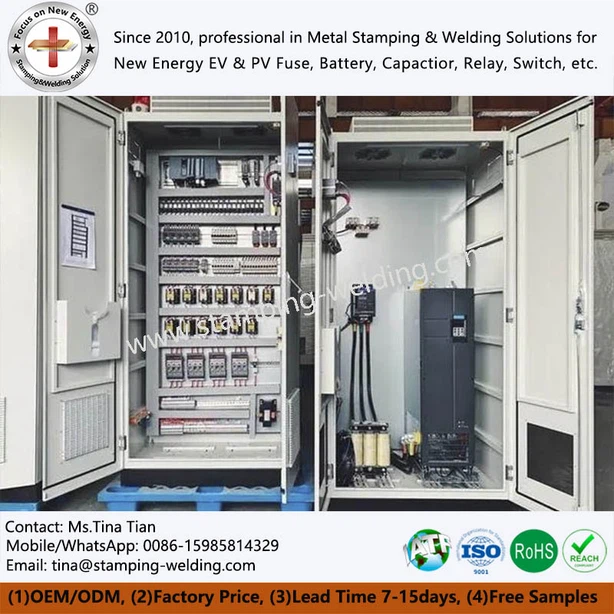
The Electrical System Cabinet typically features a sturdy metal frame, often made of steel or aluminum, which provides robust structural support and durability. The front and rear doors are usually designed with ventilation holes or removable panels, allowing for easy access to the internal components while facilitating proper air circulation to prevent overheating.
Inside the cabinet, the PLC itself is the central component. It is mounted on a DIN rail or a dedicated mounting plate, which provides a secure and standardized way to install and remove the PLC. Alongside the PLC, there are terminal blocks that serve as connection points for incoming and outgoing electrical wires, enabling easy wiring and disconnection of sensors, actuators, and power supplies.
Relays and contactors are also commonly found in an Enclosed PLC Panel Cabinet. They are used to control the flow of electrical power to different devices, acting as switches that can be operated by the PLC's output signals. Power supplies are installed to convert the incoming electrical power to the appropriate voltage levels required by the PLC and other components. Additionally, communication modules, such as Ethernet or serial communication interfaces, are included to enable the PLC to communicate with other devices, such as human-machine interfaces (HMIs), remote monitoring systems, or other PLCs in a network.

Applications of PLC Cabinets
Control System Cabinets with PLCs are widely utilized across numerous industries. In the manufacturing sector, they are employed to control production lines, automating tasks such as assembly, packaging, and quality control. For example, in an automotive manufacturing plant, an Electrical control cabinet can manage the operation of robotic arms, conveyor belts, and painting systems, ensuring precise and efficient production.
In the energy industry, PLC control cabinets play a vital role in power generation, distribution, and management. They are used to control the operation of generators, transformers, and switchgear in power plants. In renewable energy systems like wind farms and solar power plants, PLC cabinets monitor and regulate the energy production process, optimizing output and ensuring grid compatibility.
The water and wastewater treatment industry also relies on a Control System Cabinet with a PLC to control the various processes involved in purifying water and treating sewage. From controlling pumps and valves to monitoring water quality parameters, the Electrical control cabinet ensures the proper functioning of treatment plants, providing clean and safe water for consumption and protecting the environment.

Maintenance and Considerations
Regular maintenance of the PLC control cabinet is crucial to ensure the continuous and reliable operation of the automation system. Periodic inspections should be carried out to check for loose connections, damaged wires, and any signs of wear and tear on components. Cleaning the interior of the cabinet to remove dust and debris is essential, as excessive dust can interfere with the proper functioning of electrical components and cause overheating.
It is important to monitor the operating temperature inside PLC Panel Cabinet, as high temperatures can reduce the lifespan of the PLC and other components. If necessary, additional cooling measures, such as fans or heat sinks, may need to be installed. When performing maintenance or making modifications to the PLC program or the electrical connections, proper safety procedures should be followed, including shutting off the power supply and using appropriate personal protective equipment.
In conclusion, PLC cabinets are the cornerstone of industrial automation, providing essential control, protection, and management functions. Understanding their structure, types, applications, and maintenance requirements is key for industries to harness the full potential of automation, improve productivity, and ensure the safety and reliability of their operations.
contact us


