Ultrasonic Cleaning
Aug 25, 2023
INTRODUCE
——
Ultrasonic cleaning is a highly effective and innovative method of precision cleaning that utilizes high-frequency sound waves to thoroughly and gently remove dirt, contaminants, and grime from a wide range of objects and surfaces. This technology harnesses the power of ultrasonic cavitation, where rapid pressure fluctuations generated by ultrasonic transducers create tiny bubbles in a cleaning solution. As these bubbles implode, they release intense energy that dislodges even the most stubborn particles, leaving items immaculately clean without the need for harsh chemicals or abrasive scrubbing. Widely employed in industries such as healthcare, electronics, automotive, and jewelry, ultrasonic cleaning has earned its reputation as a fast, efficient, and environmentally friendly cleaning solution, achieving exceptional results in intricate and delicate cleaning tasks.

PRINCIPLES
——
Ultrasonic cleaning is grounded in a set of fundamental principles that underlie its remarkable effectiveness. At its core, ultrasonic cleaning relies on the generation of high-frequency sound waves, typically in the ultrasonic range of 20 to 40 kHz, although higher frequencies are used in some applications. These sound waves are produced by transducers within the cleaning equipment, which convert electrical energy into mechanical vibrations. When these vibrations are introduced into a liquid cleaning solution, they create a phenomenon known as cavitation.
Cavitation occurs when the pressure waves from the sound waves cause the formation and rapid collapse of millions of tiny bubbles in the liquid. These bubbles, when they collapse, release intense localized energy in the form of high temperatures and pressure differentials. This energy generates microjets and shockwaves in the cleaning solution, which, in turn, create a scrubbing effect at the microscopic level. As a result, contaminants and dirt particles adhering to the surfaces of objects placed in the cleaning tank are dislodged and effectively removed.
Key principles of ultrasonic cleaning include the choice of the appropriate cleaning solution, the frequency and power of the ultrasonic waves, and the design of the cleaning tank and transducers to ensure uniform cleaning action. These principles make ultrasonic cleaning a versatile and highly efficient method for cleaning a wide variety of items, from delicate jewelry and precision electronics components to heavy industrial parts and medical instruments, all without causing damage or surface wear often associated with traditional cleaning methods.
ADVANTAGES
——
- Exceptional Cleaning Efficiency: Ultrasonic cleaning is highly effective at removing contaminants, even from intricate and hard-to-reach areas. The cavitation process created by ultrasonic waves agitates the cleaning solution at a microscopic level, dislodging particles that manual or other cleaning methods might miss.
- Gentle on Objects: Unlike abrasive cleaning methods, ultrasonic cleaning is gentle on the objects being cleaned. It doesn't cause damage, scratching, or wear to delicate surfaces or materials, making it suitable for cleaning sensitive items such as jewelry, electronics components, and precision instruments.
- Reduced Labor and Time: Ultrasonic cleaning is an automated process, which reduces the need for manual labor and minimizes cleaning time. This efficiency can lead to significant cost savings in both labor and energy consumption.
- Consistency: The automated nature of ultrasonic cleaning ensures consistent and repeatable results. This is crucial for industries that require strict quality control and adherence to cleaning standards.
- Environmentally Friendly: Ultrasonic cleaning typically uses water-based or environmentally friendly cleaning solutions, reducing the need for harsh chemicals and minimizing environmental impact compared to some other cleaning methods.
- Versatility: Ultrasonic cleaners can handle a wide range of items, from small, delicate parts to large industrial components. They are employed in diverse industries, including healthcare, automotive, electronics, aerospace, and more.
- Penetrates Crevices: Ultrasonic waves can penetrate tiny crevices and blind holes that are difficult to reach with manual cleaning methods. This ensures thorough cleaning of complex and irregularly shaped objects.
- Improved Safety: Ultrasonic cleaning reduces the need for manual handling of potentially hazardous chemicals and contaminants, enhancing workplace safety.
- Cost-Effective: Although the initial investment in ultrasonic cleaning equipment can be significant, the long-term cost savings, in terms of labor, energy, and cleaning supplies, often justify the investment.
- Reduced Rejected Parts: The high level of cleanliness achieved with ultrasonic cleaning reduces the likelihood of product defects and rejected parts, ultimately improving product quality and reducing waste.
- Non-Destructive Testing (NDT): In some cases, ultrasonic cleaning can be combined with non-destructive testing techniques to inspect objects for hidden flaws or defects while simultaneously cleaning them.
- User-Friendly: Ultrasonic cleaners are relatively easy to operate, with user-friendly controls and minimal operator training required.
PROCESS
——
- Preparation of the Cleaning Tank:
The first step is to prepare the ultrasonic cleaning tank. This includes filling it with an appropriate cleaning solution or solvent. The choice of cleaning solution depends on the type of contaminants to be removed and the material of the items being cleaned.
- Loading Items:
Objects or parts to be cleaned are carefully placed into the cleaning tank. It's important to ensure that the items are submerged in the cleaning solution and that they are not overcrowded, allowing for proper exposure to the ultrasonic cleaning action.
- Setting Parameters:
The operator sets the parameters of the ultrasonic cleaning equipment, including the frequency and power of the ultrasonic waves. These settings can be adjusted based on the specific cleaning task, the type of contaminants, and the materials of the items being cleaned.
- Ultrasonic Cleaning Cycle:
The ultrasonic transducers in the cleaning tank are activated, producing high-frequency sound waves. These waves create cavitation bubbles in the cleaning solution, which rapidly expand and collapse. As they collapse, they release energy in the form of microjets and shockwaves, effectively scrubbing the surfaces of the items and dislodging contaminants.
- Rinsing (Optional):
Depending on the cleaning process, items may be rinsed with clean water or a rinsing solution to remove any residual cleaning agents and contaminants. This step is particularly important when using aggressive cleaning solutions.
- Drying (Optional):
In some cases, ultrasonic cleaning equipment may include a drying feature, such as heated air or vacuum drying, to expedite the drying process and prevent water spots or contamination from airborne particles.
- Inspection and Quality Control:
After cleaning and, if applicable, drying, the cleaned items are inspected to ensure that the desired level of cleanliness has been achieved. Quality control measures are often in place to meet specific industry or application standards.
- Post-Treatment (Optional):
Depending on the requirements, items may undergo further treatments such as lubrication, coating, or assembly after ultrasonic cleaning.
- Storage or Use:
Once the items have passed inspection and any necessary post-treatment steps, they are either stored for future use or integrated into the intended application.
APPLICATIONS
——
Manufacturing and Industry:
- Precision Parts Cleaning: Ultrasonic cleaning is widely used to clean precision components, such as gears, bearings, valves, and molds, ensuring they meet quality standards and function optimally.
- Electronics Manufacturing: It's used for cleaning printed circuit boards (PCBs), semiconductor wafers, and electronic components to remove flux residues and contaminants.
- Aerospace and Aviation: Ultrasonic cleaning is employed to clean critical aircraft components, engine parts, and aerospace equipment, where precision and safety are paramount.
- Automotive Industry: Ultrasonic cleaners are used for degreasing engine parts, carburetors, fuel injectors, and other automotive components.
- Metalworking: For removing cutting oils, machining residues, and metal shavings from machined parts.
Healthcare and Medical:
- Surgical Instruments: Ultrasonic cleaning ensures the sterilization and thorough cleaning of surgical instruments.
- Dental Equipment: Dental instruments, including drills and handpieces, are often cleaned using ultrasonic cleaners.
- Laboratory Equipment: Glassware, test tubes, and lab equipment are cleaned to eliminate residues and contamination.
- Pharmaceutical Manufacturing: Used for cleaning equipment used in pharmaceutical production to maintain product purity.
Jewelry and Watchmaking:
- Jewelry Cleaning: Ultrasonic cleaners remove dirt, oil, and tarnish from jewelry items, including rings, necklaces, and watches, without causing damage.
Optics and Photography:
- Camera Lenses: Camera lens elements and optical components are cleaned to maintain image quality.
- Eyeglasses: Eyeglass frames and lenses are cleaned efficiently without scratching.
Restoration and Conservation:
- Art and Antiques: Ultrasonic cleaning can gently remove dirt and contaminants from delicate art pieces and antiques without harming the underlying surfaces.
- Textile Conservation: Used for cleaning and restoring historical textiles and fabrics.
Food and Beverage Processing:
- Breweries and Wineries: Used to clean bottles, barrels, and equipment to maintain product purity.
- Commercial Kitchens: Cleaning kitchen utensils, trays, and food preparation equipment to meet hygiene standards.
Firearm Cleaning: Ultrasonic cleaning is effective for cleaning gun parts, ensuring proper function and maintenance.
Printed Circuit Board (PCB) Manufacturing: PCBs are cleaned to remove solder flux residues, dust, and contaminants before assembly.
Hobbyists and DIY Enthusiasts: Ultrasonic cleaners are popular among hobbyists for cleaning a variety of items, including coins, model train components, and vintage collectibles.
Agriculture: Cleaning and maintaining equipment such as nozzles and sprayers used in agriculture.
Automated Cleaning Systems: Integrated into automated cleaning systems for efficient, large-scale cleaning in various industries.
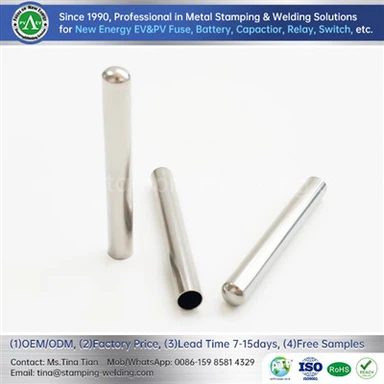
Our company often uses ultrasonic cleaning to clean our products during production to ensure product quality. Here is an introduction to our company:
Our company is focused on top quality Copper End Cap, Fuse Terminal Contacts, (ELECTRICAL VEHICLE) EV Film Capacitor BusBar, (SOLAR POWER) PV Inverter BusBar, Laminated BusBar, Aluminum Cases for new energy batteries, Copper/Brass/Aluminum/Stainless Steel Stamping Parts, and other electrical products Metal Stamping and Welding Assembly for over 18 years in China. We started as a small operation, but now have become one of the leading suppliers in the EV and PV industry in China.
If you have any needs, please feel free to contact us and we will reply as soon as possible!