

- Fast Delievery
- Quality Assurance
- 24/7 Customer Service
Product Introduction
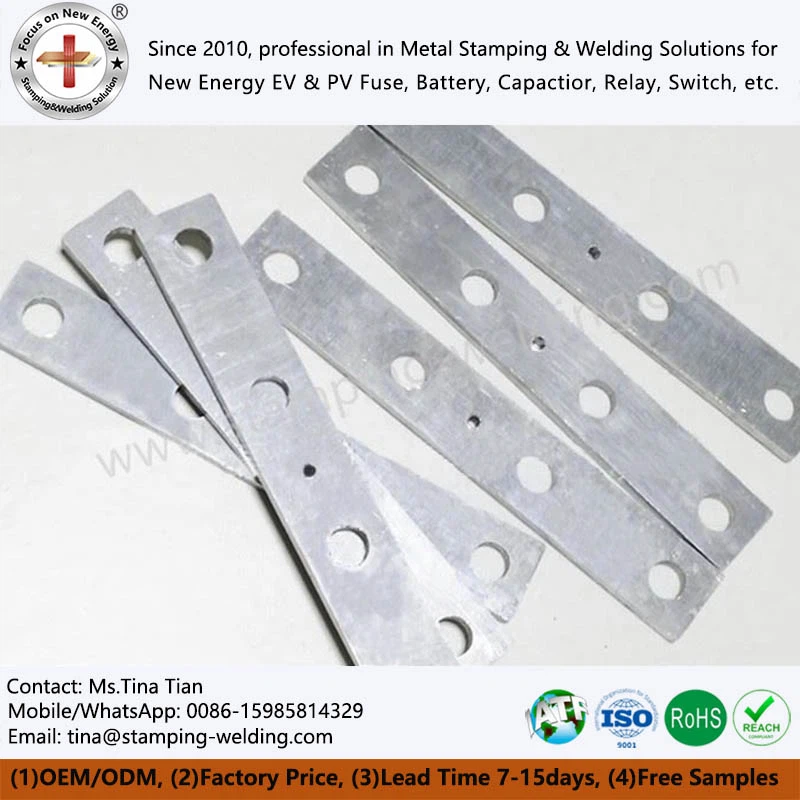
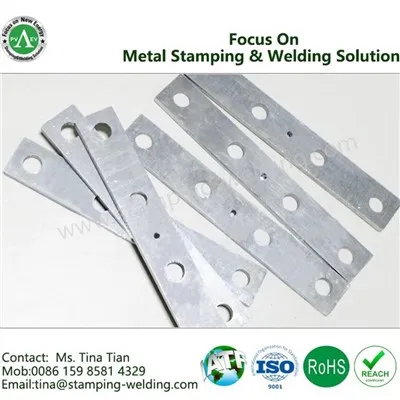
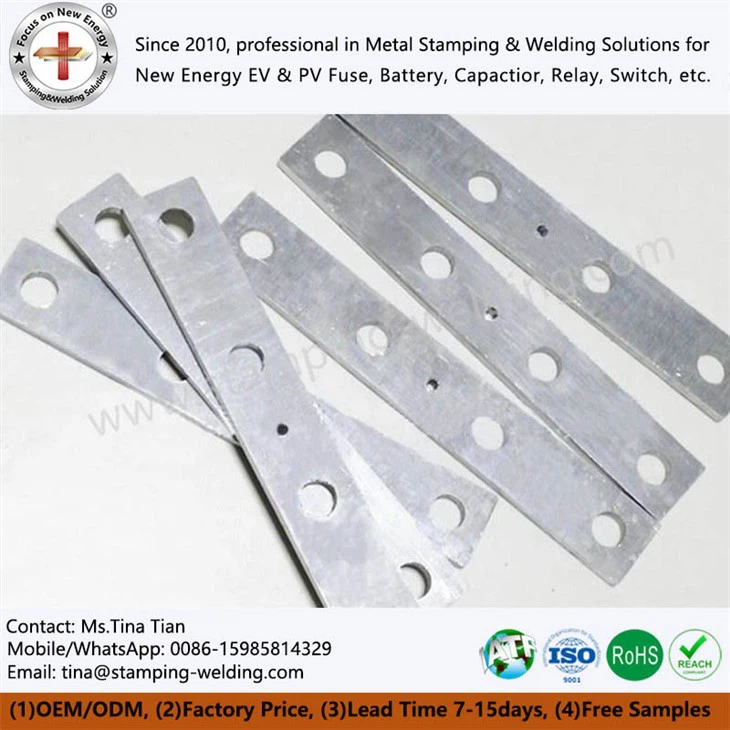
An aluminum bar is a solid aluminum profile with a controlled cross-sectional geometry, most commonly rectangular or round. It is produced through extrusion or rolling processes, followed by cutting to specified lengths to meet application-level dimensional requirements.
The material selection and processing route are determined by mechanical load, conductivity demand, and environmental exposure.
From a structural perspective, aluminum flat busbars balance low density and load-bearing capability. This balance explains their widespread use in electrical power distribution systems, mechanical assemblies, and transportation infrastructure, where mass reduction directly affects system efficiency.
In electrical applications, aluminum bars are frequently configured as bus bar aluminium components. When used as Aluminum Busbars, their cross-section and alloy composition are optimized to control current density, heat dissipation, and contact resistance.
Material Composition and Alloy Logic
Aluminium flat busbar for switchgears is produced in multiple alloy systems to meet different performance targets:
6101 aluminum bus bar
Designed for electrical conductivity. The alloy composition prioritizes low resistivity while maintaining sufficient mechanical stability.
6101 T61 aluminum bus bar
A heat-treated variant that stabilizes conductivity and strength through controlled aging, suitable for power transmission environments.
6061 aluminum bus bar
Selected when higher mechanical strength or machining precision is required, even though electrical conductivity is lower than that of 6101-series alloys.
These alloys are commonly used in Aluminum Busbar Electrical Power Connector systems, where predictable electrical behavior and mechanical consistency are required.
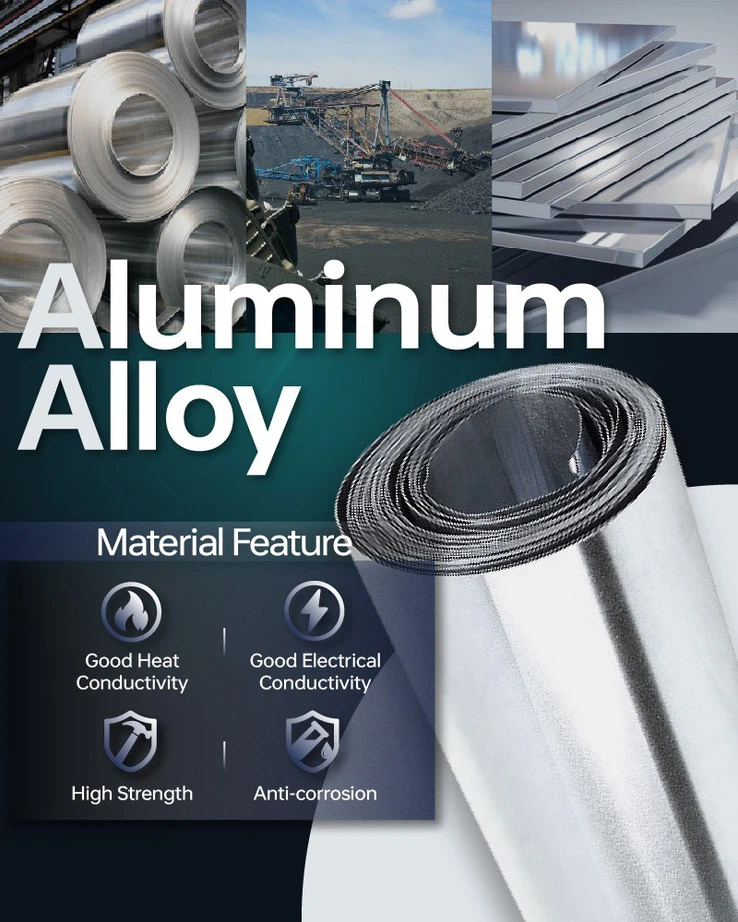
Manufacturing Process and Dimensional Control
6061 aluminum bus bars are manufactured through controlled extrusion, followed by straightening, cutting, and optional secondary processing.
Key process controls include:
Alloy melt purity and composition stability
Extrusion temperature and die tolerance
Post-extrusion heat treatment for mechanical and electrical consistency
These steps are essential for Customized Aluminium Busbars, where dimensional accuracy directly affects assembly tolerance and electrical performance.
From a manufacturing classification standpoint, such products fall under the capabilities of an aluminium busbar manufacturer or Aluminium Busbar Manufacturer specializing in conductive structural components.

Rail Transportation Applications: Functional Rationale
Train body structures
Reduced mass lowers traction energy consumption while maintaining structural stiffness.
01
Overhead contact systems
Aluminum conductors reduce suspended weight while maintaining acceptable conductivity compared to copper.
02
Signaling and support structures
Corrosion resistance minimizes maintenance frequency in outdoor environments.
03
Track reinforcement and auxiliary systems
Aluminum Busbars improve durability where non-magnetic and lightweight properties are required.
04
Interior structural components
Used where mechanical support and corrosion resistance are prioritized without adding unnecessary mass.
05

contact us

Hot Tags: aluminum bar, China, manufacturers, suppliers, factory
No Information