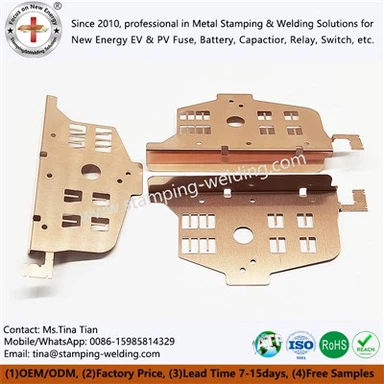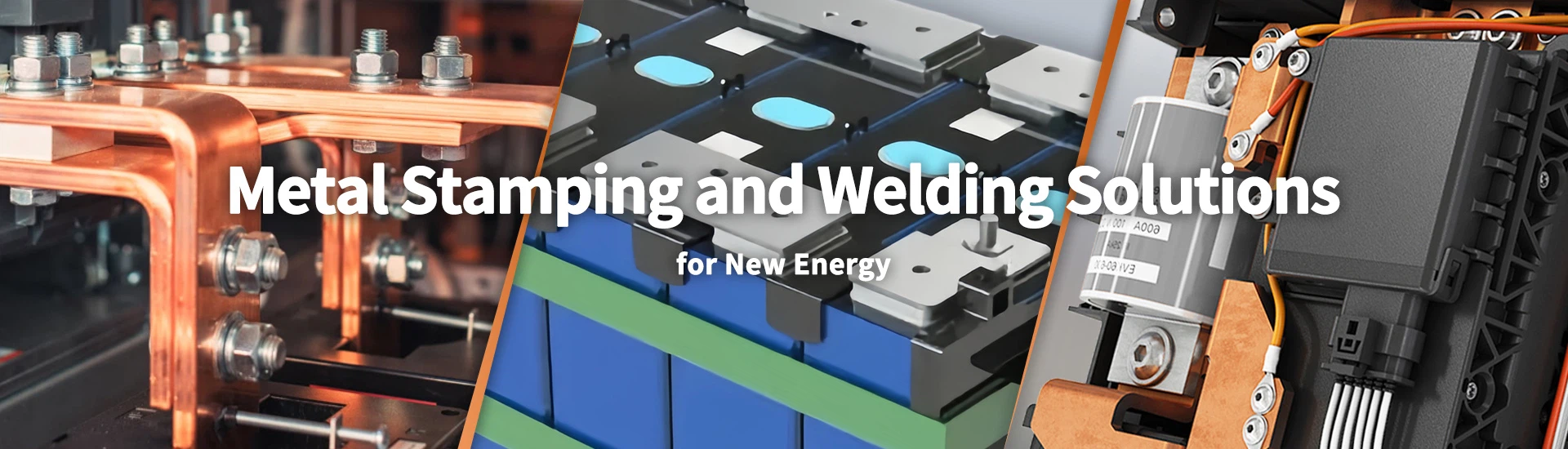
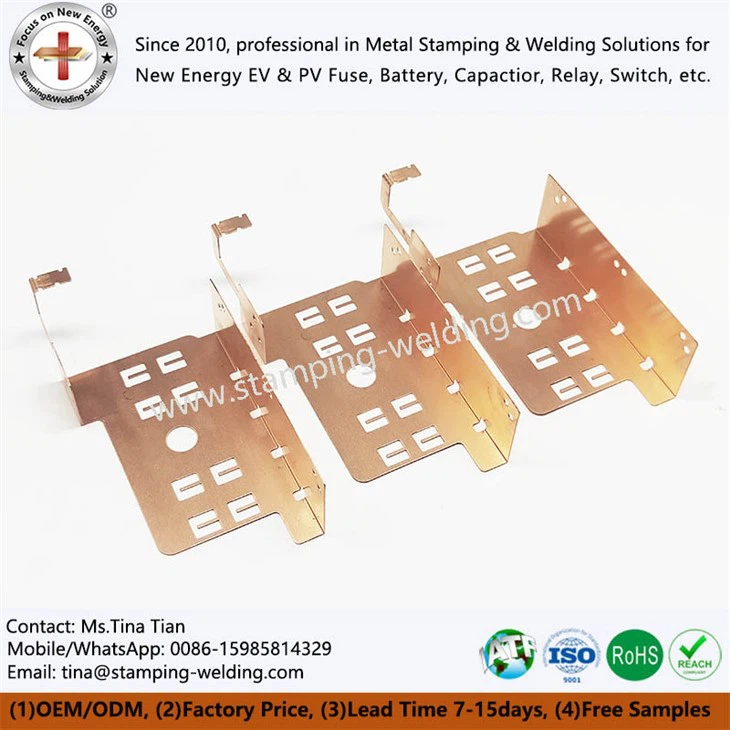


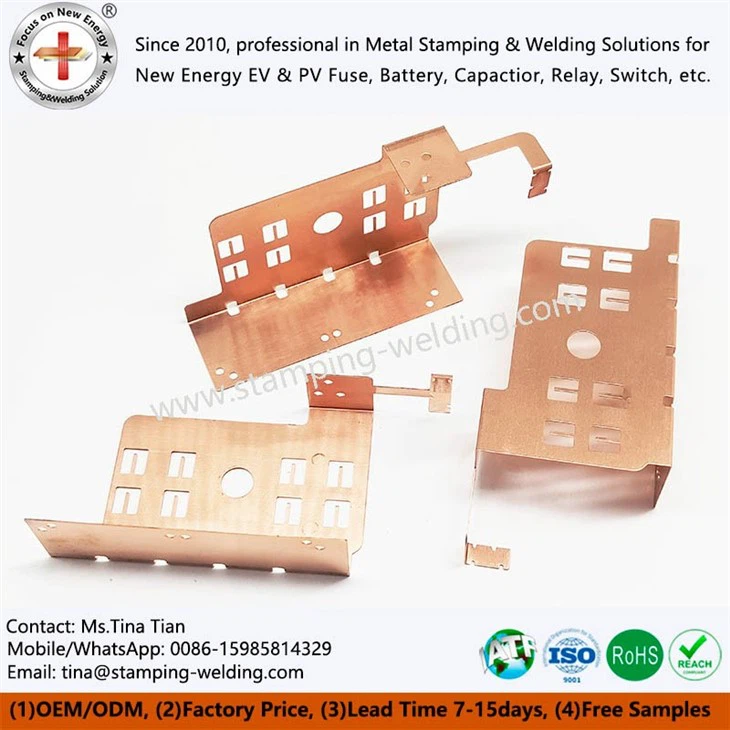

Automotive Bus Bar
The rapid development of the new energy vehicle industry is placing higher demands on the safety, reliability, and efficiency of onboard electrical systems. As the power transmission hub connecting batteries, motor controllers, capacitors, and other key components, the performance of the automotive busbar directly impacts the overall vehicle's operating efficiency and safety. Our new generation of automotive busbars utilizes a multi-layer composite structure that integrates highly conductive metal, high-voltage insulation, and a high-strength protective layer. Designed specifically for new energy vehicle electrical systems, they help customers achieve optimized power transmission and the most compact system integration.
- Fast Delievery
- Quality Assurance
- 24/7 Customer Service
Product Introduction
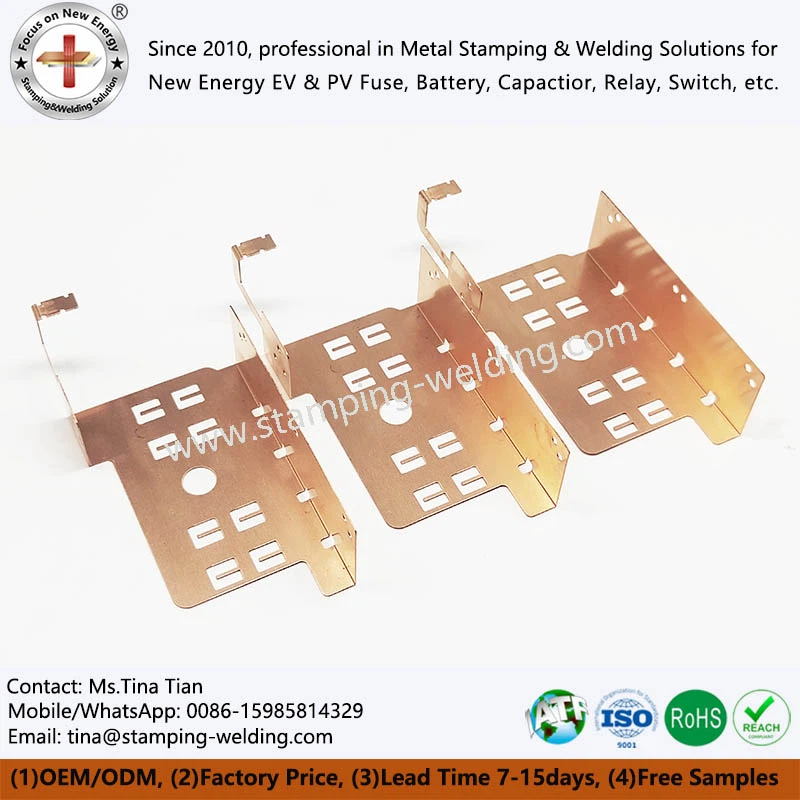
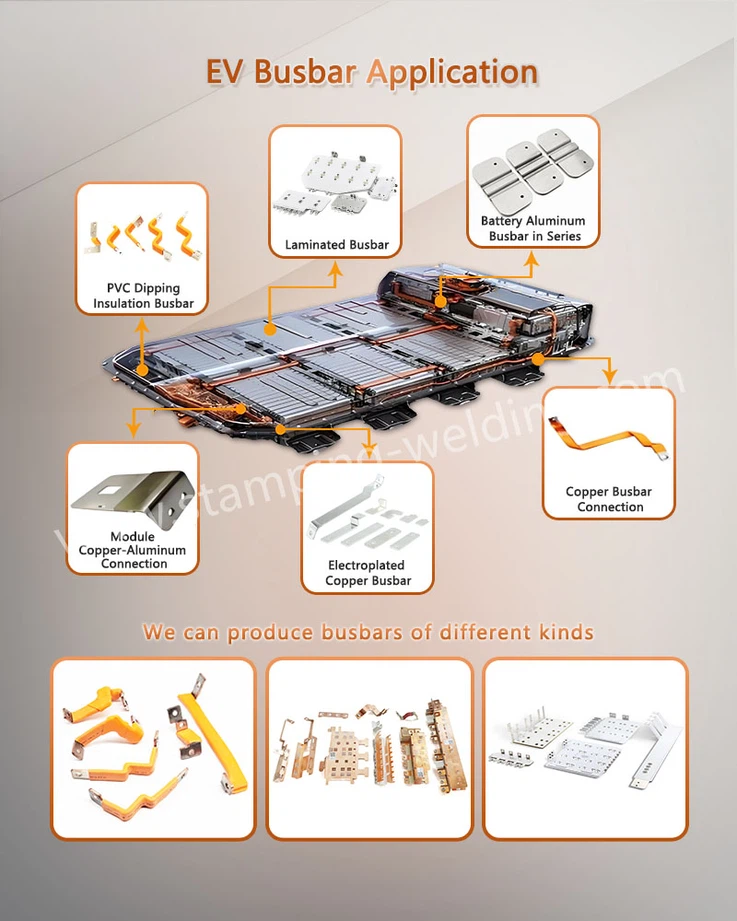
As electric vehicles (EVs) evolve towards higher voltage and power, Automotive Bus bars -the "energy artery" connecting batteries, film capacitors, motor controllers, and fast-charging systems-are crucial for the overall vehicle's energy efficiency, safety, and reliability. We integrate cutting-edge material technologies with precision manufacturing techniques to offer a comprehensive range of high-performance busbar solutions that meet IATF 16949 automotive-grade standards, ensuring zero-compromise power transmission for your next-generation electric vehicle platforms.
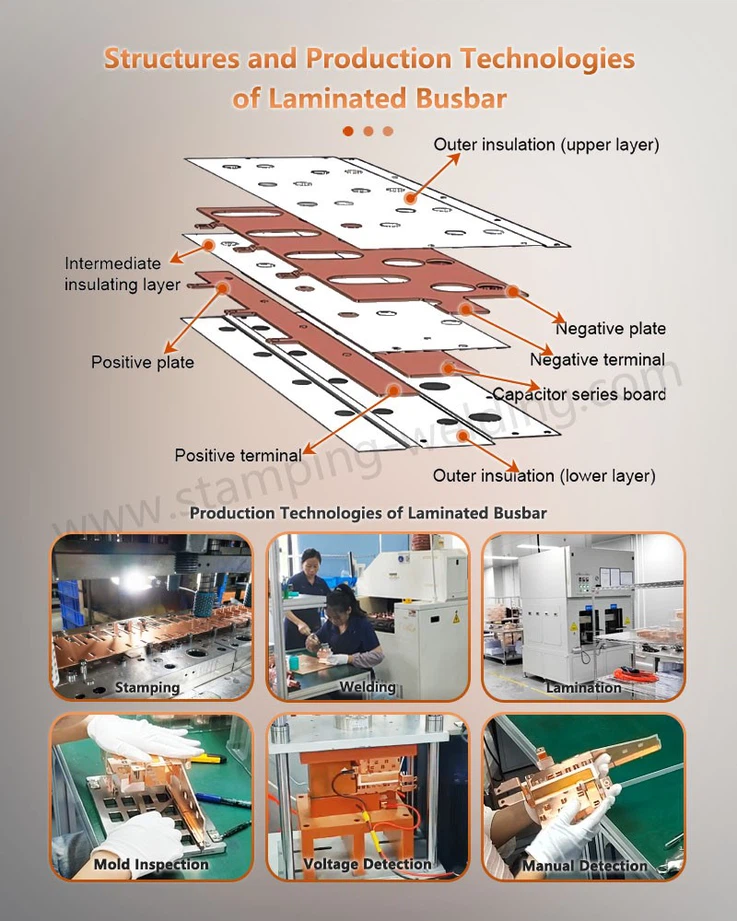
Multi-layer Composite Structure Design
Conductive Layer
Utilizes high-purity copper or aluminum materials, customized to the needs of the electrical system and film capacitors. Available in various layouts, including flat and three-dimensional, to achieve optimal current distribution for the IGBT Bus Bar.
Insulating Layer
Utilizes high-performance polyimide (PI) film to effectively isolate conductors of different potentials, preventing electrical short circuits and ensuring system safety for the Bus Bar Connector.
Protective Layer
Utilizes highly wear-resistant engineering plastics or anti-corrosion coatings as the outermost layer, providing excellent environmental adaptability and structural protection for automotive power busbar.
Key Performance Indicators
Resistance
At 20°C, the resistance per unit length can be as low as 0.001-0.01Ω, depending on the material and cross-sectional area. Low resistance ensures high-efficiency transmission and reduces system losses for the Car Battery Bus Bar.
Voltage Withstand
The rated voltage range is 500V-1500V, meeting the voltage requirements of mainstream new energy vehicle batteries and effectively preventing breakdown failures for the Auto Bus Bar.
Current Carrying Capacity
An EV battery busbar with a copper conductive layer cross-section of 50mm² can continuously carry 200A to 300A at 40°C under good heat dissipation conditions. Higher current carrying capacities can be customized upon request.
Dimensional Accuracy
Length, width, and thickness tolerances are controlled within ±0.1 to ±0.3mm, ensuring precise compatibility with components such as film capacitors and motor controllers for BusBar Car.

Selection and Usage Specifications
| Correct Selection | Select a film capacitor busbar with appropriate specifications and performance based on the new energy vehicle's electrical system parameters, such as battery voltage, motor power, and operating temperature. Ensure that busbar electric vehicle parameters, such as resistance, withstand voltage, and current carrying capacity, meet actual application requirements to avoid electrical failures or performance degradation due to improper selection. |
| Installation Specifications | During installation, strictly follow the product installation instructions. Ensure that the automotive battery terminal bus bar is securely and reliably connected to the film capacitor and other electrical components, avoiding looseness or poor contact. Also, keep the connection clean to prevent impurities and oxides from affecting the conductivity of the connection. During installation, avoid mechanical damage to the busbar, especially the insulation layer, to prevent it from affecting insulation performance. |
| Regular Inspection and Maintenance | Regularly inspect the bus bar automotive for corrosion, insulation damage, or loose connections. If any problems are found, repair or replace them promptly. Additionally, regularly test the busbar's resistance, withstand voltage, and current carrying capacity to ensure it maintains optimal performance throughout vehicle operation. |
| Thermal Management Measures | During vehicle operation, the Copper Busbar for Electric Vehicle Capacitors generates heat due to current transmission. To ensure its normal operation and service life, effective thermal management measures must be taken, such as reasonably designing the heat dissipation structure, installing heat sinks, or using liquid cooling to control the busbar operating temperature within the allowable range to avoid performance degradation or damage due to overheating. |
contact us

Hot Tags: automotive bus bar, China, manufacturers, suppliers, factory