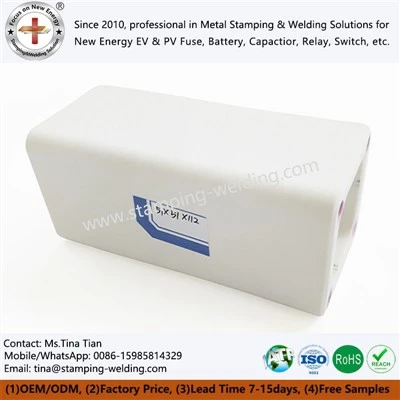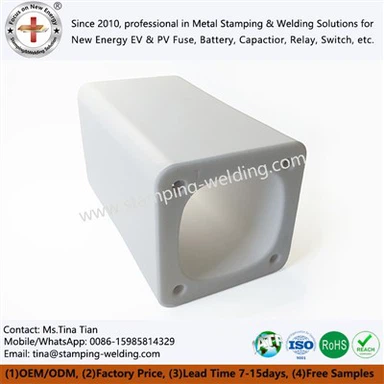
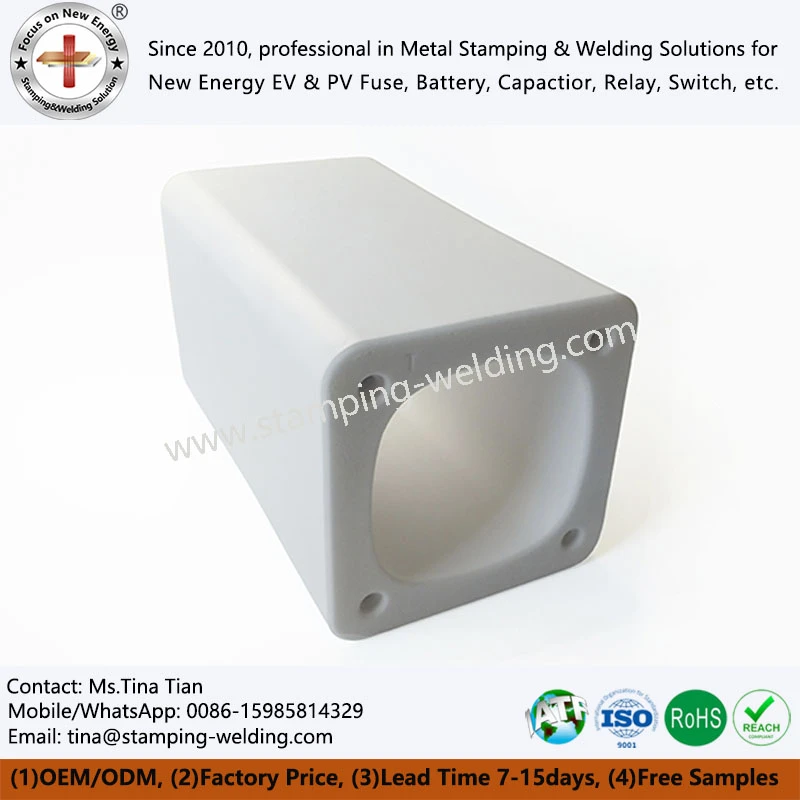

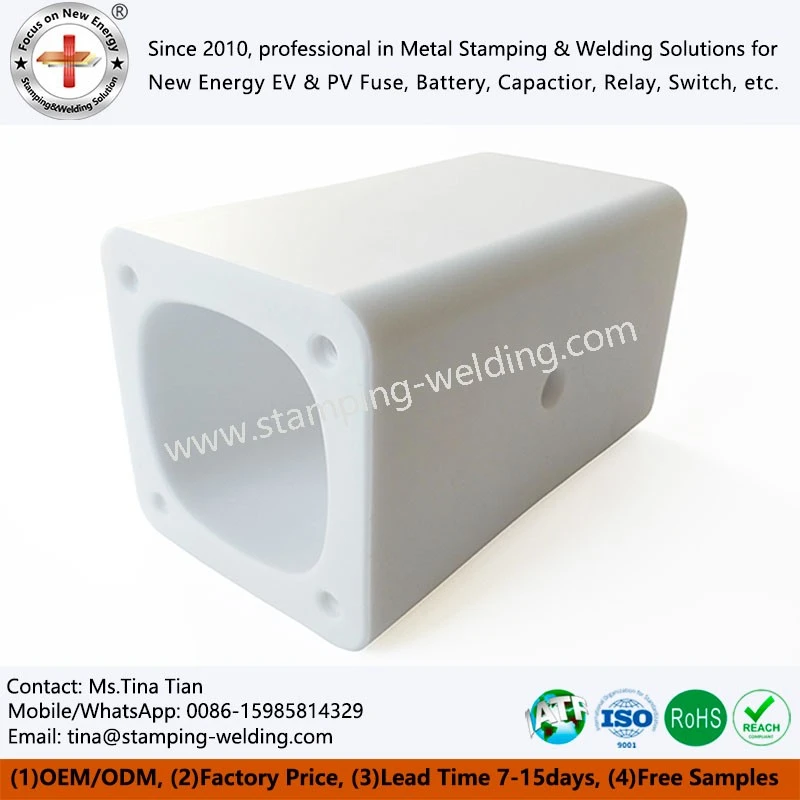
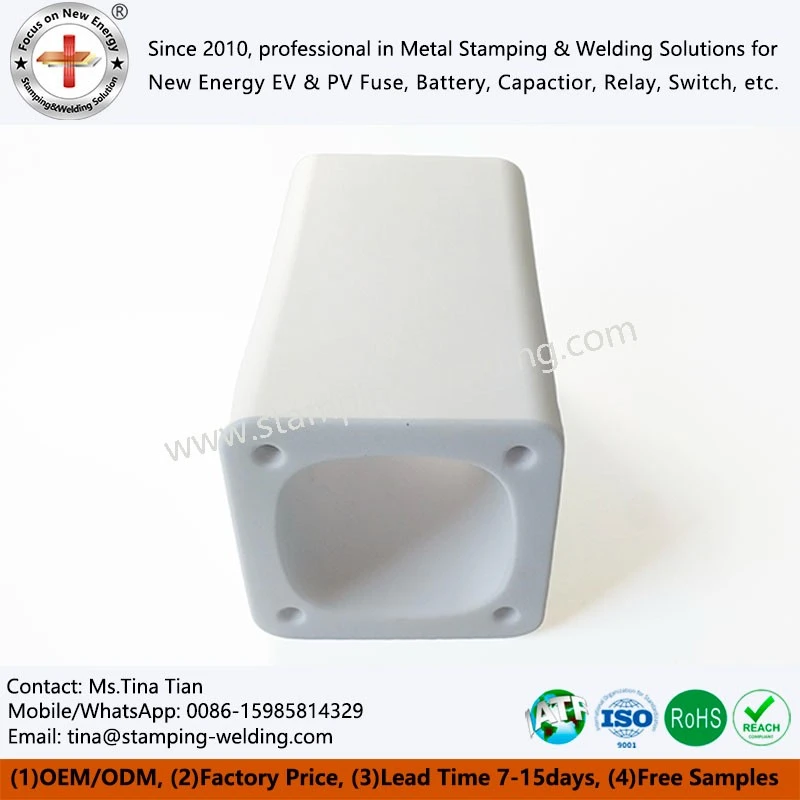
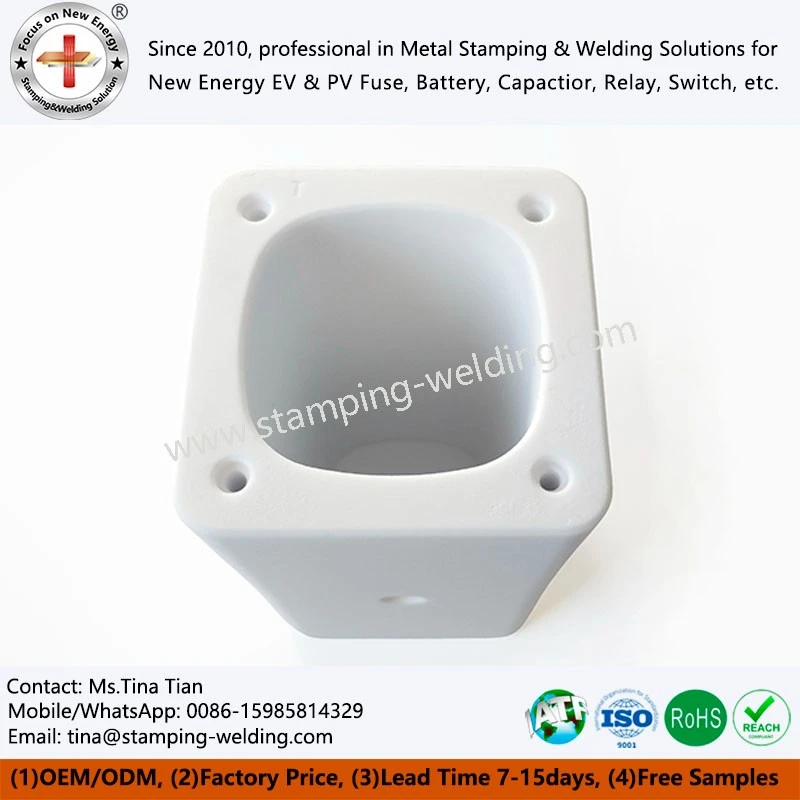
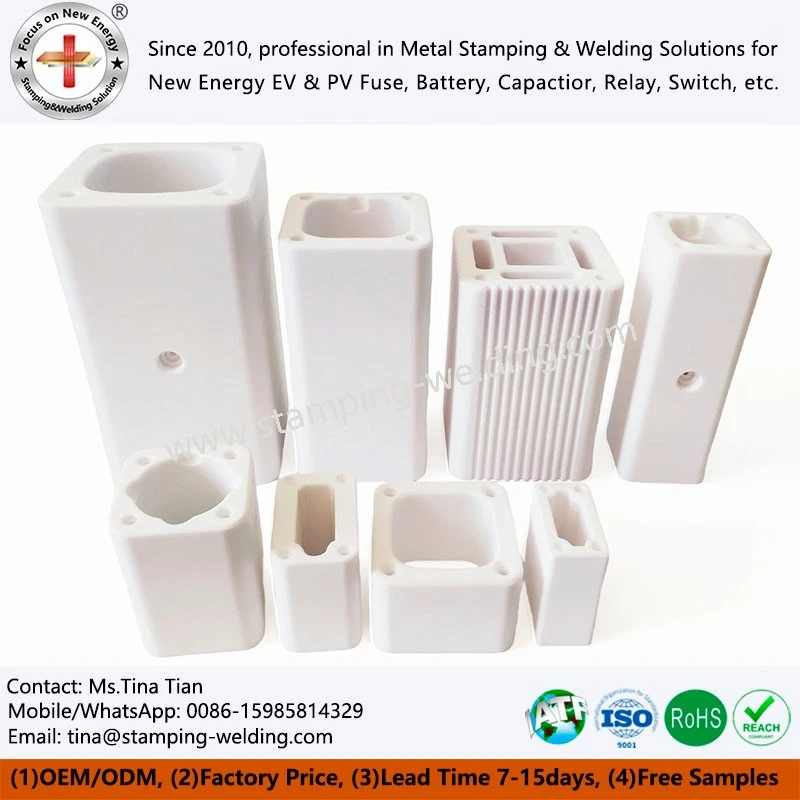
Insulated Ceramic Tube in EV Fuses
As electric vehicles (EVs) and battery energy storage systems (BESS) evolve toward 800V/1000V+ high-voltage fast-charging platforms, traction batteries and circuit protection systems face unprecedented challenges regarding short-circuit current surges and high-voltage arcing. Serving as the core physical and electrical component of high-voltage fuses, the insulated ceramic tube in EV fuses acts not merely as a housing for the arc-quenching medium and fuse element, but as a critical barrier determining the fuse's breaking capacity, thermal shock resistance, and long-term reliability. We manufacture engineering-grade alumina insulating ceramic tubes specifically for leading global Tier 1 automotive component suppliers and high-voltage circuit protection system manufacturers.
- Fast Delievery
- Quality Assurance
- 24/7 Customer Service
Product Introduction
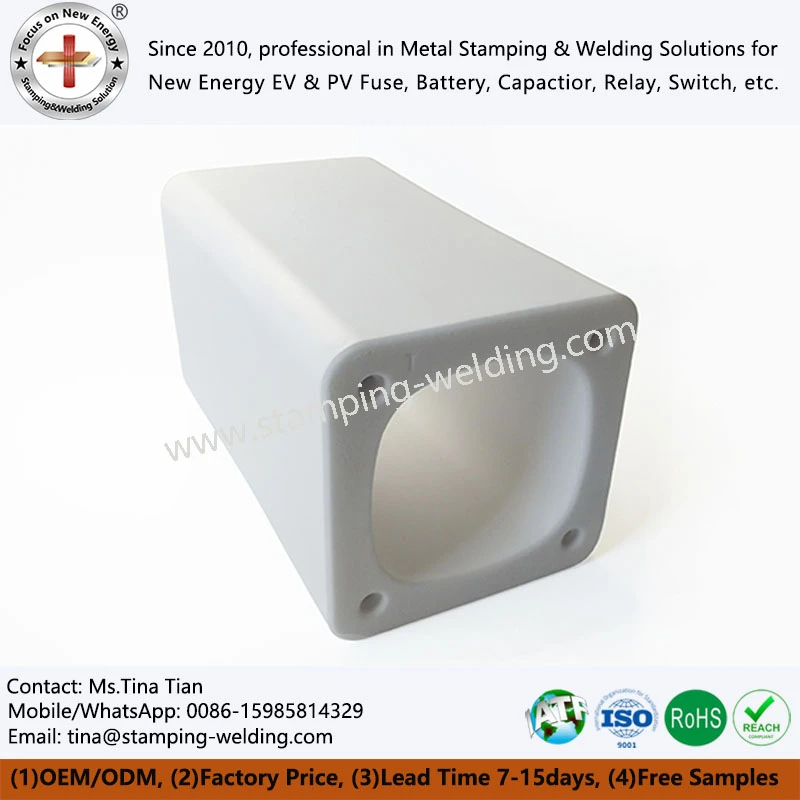
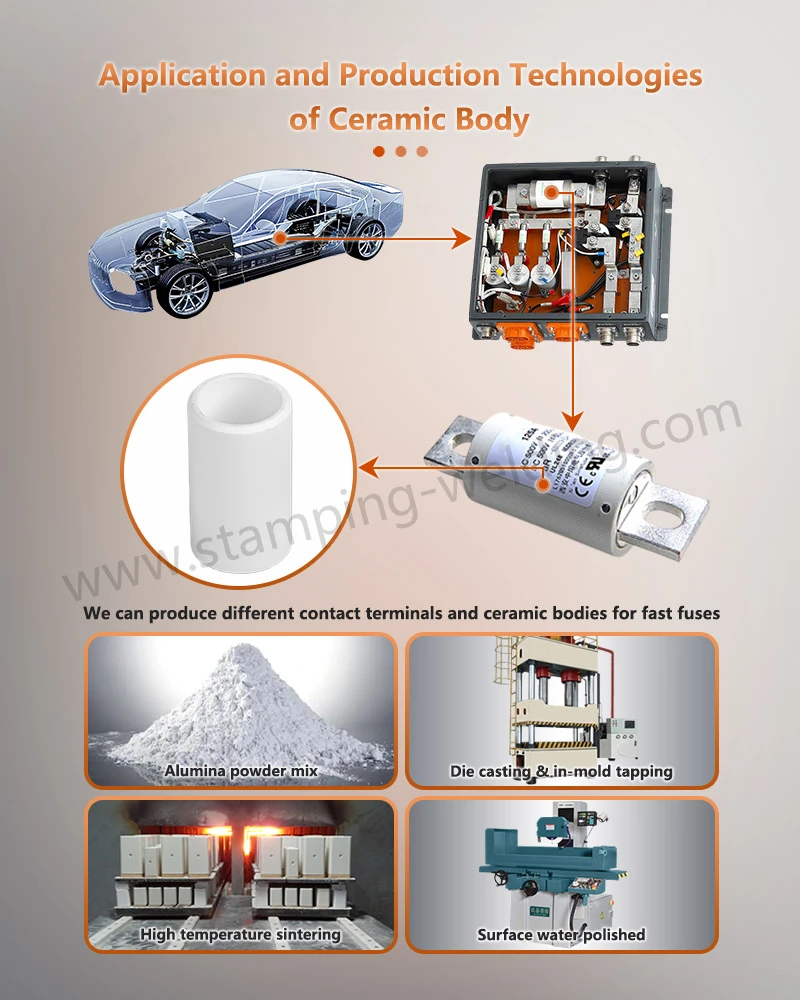
The insulated ceramic tube in EV fuses serves as the core insulating housing for high-voltage DC fuses and is typically manufactured from high-purity alumina (Al₂O₃, such as 95% or 99% corundum ceramic) via high-temperature sintering. It performs the dual function of a rigid pressure-bearing vessel and a high-voltage electrical insulator; internally, it houses the fuse link and arc-extinguishing medium (e.g., high-purity quartz sand), while externally, it isolates the high-voltage circuit from the vehicle chassis ground. Through precise control of powder formulations, forming processes (such as dry pressing or cold isostatic pressing), and high-temperature microstructural sintering, the product effectively withstands the erosive effects of high-temperature electric arcs (reaching tens of thousands of Kelvin) and intense mechanical shock during extreme short-circuit faults, thereby ensuring the safe, millisecond-level interruption of the high-voltage circuit.
Product Features of EV Fuse Ceramic Bodies
Ultra-high Dielectric Strength and Insulation Resistance
High-purity alumina density ensures superior high-voltage insulation, zero leakage, and breakdown resistance even under extreme heat.
01
Exceptional Thermal Shock Resistance
Engineered for intense thermal shock, the ceramic tube for the EV BS series offers high thermal conductivity, resisting cracking under rapid heating.
02
Superior High-voltage Arc Quenching and Arc Erosion Resistance
High melting point and chemical inertness prevent surface carbonization and arc tracking under high-temperature arc radiation and metal vapor.
03
Micron-level Dimensional Precision
High-precision grinding gives our ceramic body for automotive fuses micron-level tolerances, ensuring a perfect fit for automated assembly.
04
High Mechanical Tensile and Impact Strength
Featuring exceptional strength, our alumina ceramic for bolted-connect EV fuses easily withstands immense internal pressure and explosive forces during interruption.
05
Manufacturing Process of Ceramic Body for Fuse Bolted Series
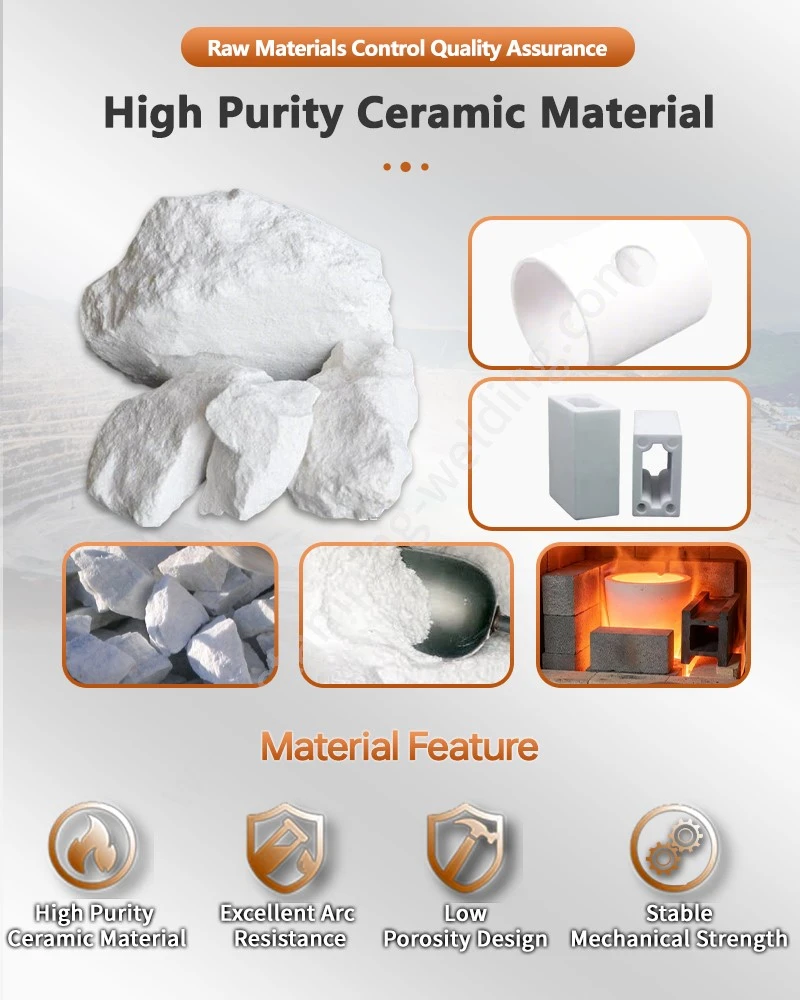
High-Pressure Dry Pressing & CIP
Standard tubes are produced via fully automated dry pressing, while long-span or complex-shaped components undergo cold isostatic pressing to ensure uniform green density and prevent deformation.
High-Temp Continuous Sintering
Precision-controlled sintering of our alumina ceramic insulator tube for fuses at 1650–1750°C eliminates internal stresses and ensures exceptional batch-to-batch performance consistency.
Precision Centerless Grinding & Lapping
For the alumina ceramic for bolted-connect EV fuses, diamond centerless grinding is applied to finish outer diameters and end faces, achieving ±0.01mm coaxiality for stress-free, chip-free end-cap assembly.
Automated Inspection & Spectroscopy
We guarantee flawless quality for every EV fuse ceramic body through 100% screening for dimensional deviations and hidden micro-cracks using 3D vision systems, ultrasonic flaw detection, and high-voltage dielectric breakdown testing.
Application Advantages of Alumina Ceramic Insulator Tubes for Fuses
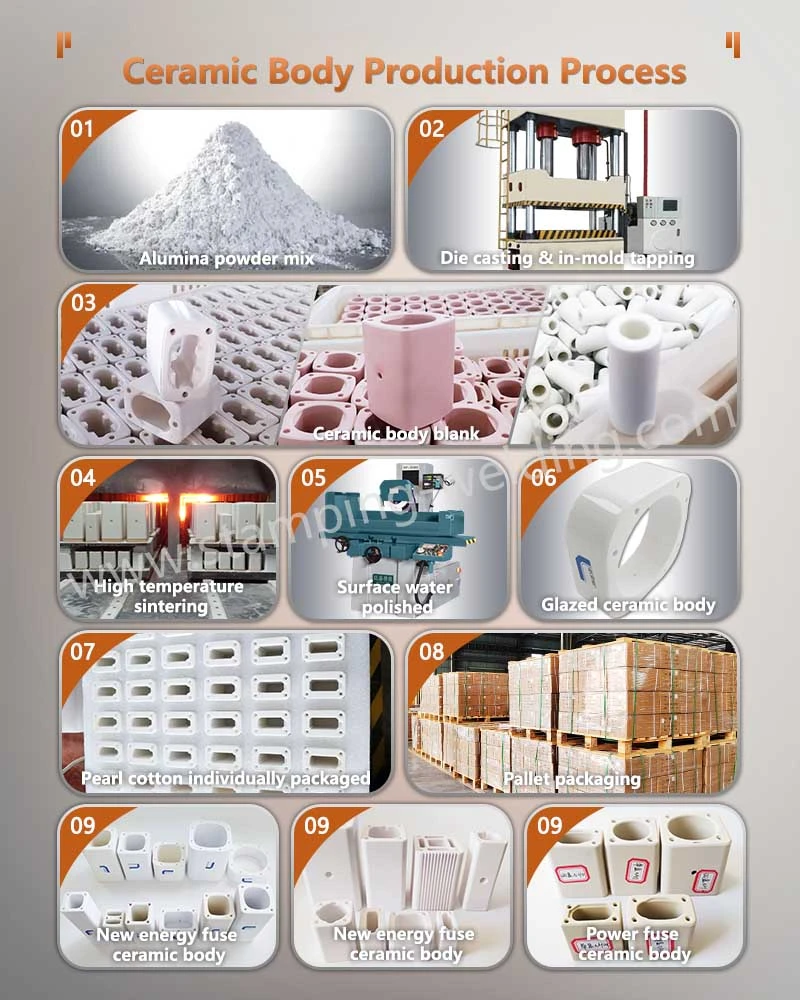
Designed for high-voltage EV applications, the ceramic casing for fuse links delivers robust housing insulation support for fuses used in PDUs (Power Distribution Units), MCUs (Motor Control Units), and OBCs (On-Board Chargers).
Suitable for ultra-fast fuses in 1000V DC fast-charging stations, our ceramic DC automotive fuses reliably withstand frequent high-current pulse surges and harsh outdoor environmental fluctuations.
The ceramic tube for high-voltage fuses is used for high-voltage fuses in MW-scale energy storage containers and battery pack clusters, featuring excellent tensile strength and withstanding massive rated breaking currents (100kA+).
Meets high-reliability protection requirements for EMUs (Electric Multiple Units), electric heavy-duty trucks, and electric construction machinery operating under intense mechanical vibration and harsh, demanding conditions.
Frequently Asked Questions About Ceramic Casing for Fuse Link
For 800V/1000V high-voltage EV systems, is it better to choose 95% or 99% alumina ceramic tubes?
+
-
For standard 400V-class systems or low-current auxiliary circuits, 95% alumina ceramic tubes offer sufficient electrical insulation and mechanical strength at an excellent cost-performance ratio. However, for 800V/1000V high-voltage main circuits or fast-charging fuses requiring extremely high breaking capacity (over 100kA), we strongly recommend using alumina with 99% purity or higher. Higher purity significantly enhances dielectric strength and reduces energy loss at high temperatures, ensuring zero dielectric breakdown even under the impact of extreme high-voltage arcs.
Ceramic tubes are prone to cracking during the metal end-cap press-fitting process; what specific solutions do you offer?
+
-
Cracking during press-fitting usually stems from geometric tolerance deviations at the tube ends or stress concentration. We address this issue through two key measures: first, we use precision diamond centerless grinding to strictly control outer diameter and coaxiality tolerances within ±0.01mm; second, we apply precise radius (R-angle) or 45° chamfers to both ends of the tube to eliminate stress concentration points, thereby significantly improving the yield rate for your downstream automated assembly processes.
Can you develop samples based on our custom drawings (STEP/DWG)? What are the lead times for prototyping and mass production?
+
-
We possess comprehensive capabilities in mold design, cold isostatic pressing (CIP), and precision forming. Upon receipt of your 3D/2D engineering drawings, we can complete the engineering assessment and sample production within 10–15 working days. For products approved for mass production, we can achieve high-volume delivery within 10–15 days, utilizing our mold tooling and high-efficiency dry-pressing production lines.
How do you ensure consistency in dimensions and performance across different batches of your insulating ceramic tubes?
+
-
We implement batch-to-batch traceability starting right at the granulation powder stage. During sintering, we utilize fully automated, computer-controlled continuous tunnel kilns, eliminating the temperature and density variations often caused by intermittent kilns. Furthermore, finished products undergo 100% inspection via fully automated optical sorting equipment, ensuring zero defects regarding dimensional accuracy and surface quality.
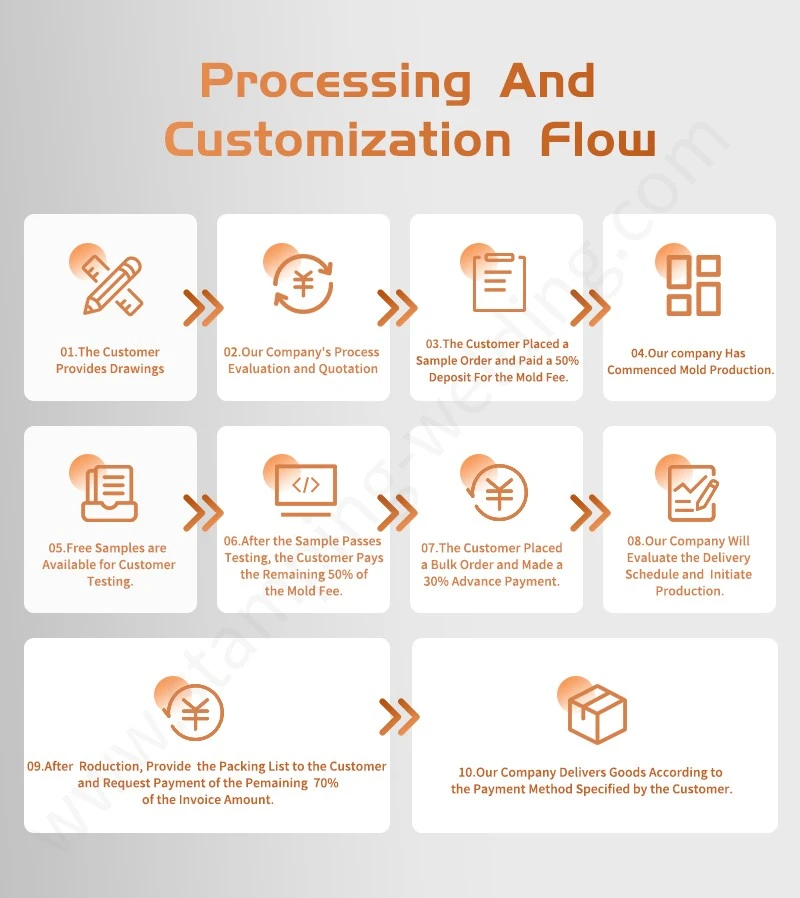
Contact Us
Our engineering team's direct integration is built on solving your toughest thermal and electrical challenges through advanced ceramic material control-contact our engineers today to review your customized drawings, request material samples, or optimize your next-generation insulated ceramic tube in EV fuse designs.
Hot Tags: Insulated Ceramic Tube in EV Fuses, EV Fuse Ceramic Body, High Voltage Fuse Tubes, Alumina Fuse Ceramics, Custom EV Fuse Components, EV Circuit Protection Components, Precision Technical Ceramics, Fuse Tube Manufacturer, High Voltage Fuse Housing, BESS Fuse Ceramic Body, OEM Ceramic Fuse Tubes, Ceramic Fuse Tube Factory, Arc Quenching Ceramic Tubes