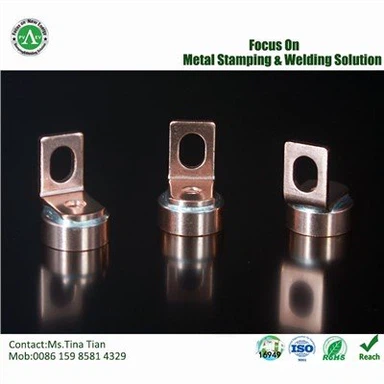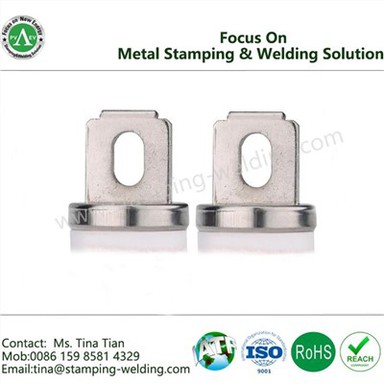


Tin Plated End Cap And Contact For Fuse
A tin-plated end cap and contact for a fuse refers to the components used in the construction of a fuse. The end cap and contact play important roles in the functioning and safety of the fuse.
- Fast Delievery
- Quality Assurance
- 24/7 Customer Service
Product Introduction

A tin-plated end cap and contact for a fuse refer to the components used in the construction of a fuse. The end cap and contact play important roles in the functioning and safety of the fuse.
1. End Cap: The end cap is one of the terminal components of a fuse. It is typically made of a conductive material such as copper or brass and is responsible for connecting the fuse element to the circuit. The end cap is usually designed to securely hold the fuse element and provide a point of electrical contact.
2. Contact: The contact is part of the fuse that comes into direct contact with the end cap. It is also typically made of a conductive material such as copper. The contact ensures a reliable electrical connection between the end cap and the fuse element. It allows for the flow of current through the fuse and is crucial for the proper operation of the device.
The tin plating on the end cap and contact serves several purposes, including:
1. Corrosion resistance: Tin plating helps protect the end cap and contact from corrosion. Corrosion can degrade the electrical conductivity of the components over time, leading to poor performance or failure of the fuse.
2. Solderability: Tin is a highly solderable material, meaning it readily forms a strong bond with solder. The tin plating on the end cap and contact facilitates the soldering process during the assembly of the fuse, ensuring secure connections.
3. Low contact resistance: Tin plating provides a smooth and uniform surface, reducing the contact resistance between the end cap, contact, and other components. Lower resistance helps minimize energy losses and heat generation, ensuring efficient operation of the fuse.
It's worth noting that while tin plating is commonly used in fuse components, other plating materials like silver or nickel may also be used in certain applications depending on specific requirements such as higher current ratings or environmental considerations.


Inspecting tin-plated end caps and contacts for a fuse typically involves steps as below:
Visual Inspection:
1. Check for any physical damage, such as dents, cracks, or deformities in the end cap and contact.
2.. Ensure the tin plating is intact, smooth, and free from peeling, blistering, or discoloration.
3. Look for any signs of corrosion, oxidation, or contamination on the surfaces.
4. Verify that the end cap and contact have proper dimensions and alignment.
Plating Quality:
1. Use a magnifying glass or microscope to inspect the tin plating more closely.
2. Look for consistent and uniform plating thickness across the entire surface.
3. Check for any pits, rough spots, or unevenness in the plating.
4. Examine the edges and corners of the end cap and contact for any signs of inadequate plating coverage.
Electrical Continuity:
1. Use a multimeter or continuity tester to verify electrical continuity.
2. Place the test probes on the end cap and contact to ensure there is a low resistance connection.
3. Ensure that there are no open circuits or excessive resistance, which could indicate poor plating quality or a faulty connection.


Tin-plated Fuse caps packaged as delivered can be stored for one year from the date indicated on the packing label under the following conditions:
1)Temperature:-15 °C- +30°C (no condensation)
2)Humidity: 85% RH or less
3)Not exposed to corrosive gas or sea breeze
4)No visible dust
5)Not exposed to direct sunlight
6)Load: no application of load that may cause deformation or degradation of the product.

Hot Tags: tin plated end cap and contact for fuse, China, manufacturers, suppliers, factory, Copper Outer Cap And Terminal For Fast Fuse, Fuse Contact Welded Components, Fusible End Cap And Contact For New Energy Car, Electrical Fuse Components, Copper Pipe End Cap And Fuze Terminal, Fuse Holder Cap