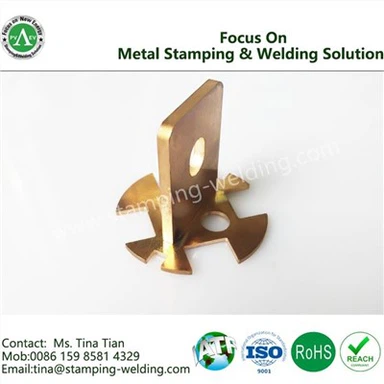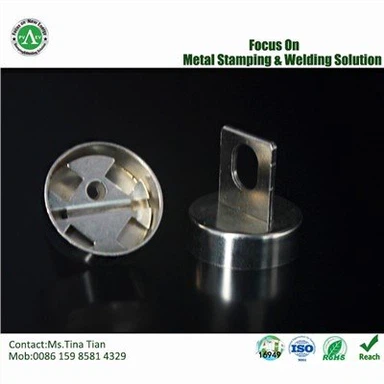


Copper Tin-welded Assembly
Copper tin welded assembly, also known as copper tin soldering or brazing, is a joining process used to bond copper and tin materials together using a filler metal called solder. This technique is commonly employed in various industries, such as electronics, plumbing, automotive, and manufacturing, where a strong and reliable bond between copper and tin components is required.
- Fast Delievery
- Quality Assurance
- 24/7 Customer Service
Product Introduction

Copper tin welded assembly, also known as copper tin soldering or brazing, is a joining process used to bond copper and tin materials together using a filler metal called solder. This technique is commonly employed in various industries, such as electronics, plumbing, automotive, and manufacturing, where a strong and reliable bond between copper and tin components is required.
The process involves heating the copper and tin parts to a temperature below their melting points but above the melting point of the solder. The solder is a low-melting-point alloy that typically contains a combination of copper and tin or other elements. When heated, the solder liquefies and flows into the joint between the copper and tin parts, creating a metallurgical bond as it cools and solidifies.


It has multiple characteristics, making it the preferred connection method for various applications. The following are some key characteristics of copper tin welded components:
- Strong and Durable Bonds: The assemblies create strong and reliable bonds between copper and tin materials. The soldering process forms metallurgical bonds, resulting in joints with good mechanical strength and durability.
- Low Melting Point: Solder alloys used in the assembly have relatively low melting points compared to other joining techniques like welding. This characteristic is advantageous as it allows for lower heat input during the soldering process, reducing the risk of damaging or distorting the joined components.
- Electrical Conductivity: The product retains excellent electrical conductivity, making them suitable for applications where electrical connections are essential. This characteristic is crucial in electronics, electrical wiring, and other electrical components.
- Thermal Conductivity: Both copper and tin are known for their high thermal conductivity. Consequently, it maintains efficient heat transfer, making them suitable for applications in heat exchange systems and cooling components.
- Corrosion Resistance: Soldered copper tin joints are generally resistant to corrosion, especially when proper cleaning and fluxing are employed during the soldering process. This makes them suitable for plumbing, HVAC, and other applications where resistance to moisture and corrosive environments is essential.
- Excellent Capillary Action: During the soldering process, the molten solder exhibits excellent capillary action, flowing into small gaps and spaces between the copper and tin surfaces. This enables the solder to fill intricate and complex joint geometries, ensuring a uniform bond.
- Cost-Effective: It is a cost-effective joining method compared to some other techniques like welding. The equipment required for soldering is often less expensive, and the process itself can be faster and more straightforward, leading to cost savings in manufacturing.
- Compatibility with Dissimilar Materials: Copper tin soldering allows for the bonding of dissimilar metals, not limited to copper and tin alone. This makes it a versatile joining method for applications where different materials need to be connected.
- Environmentally Friendly: Many solder alloys used in this product are lead-free and environmentally friendly. The industry has shifted away from lead-based solders due to environmental and health concerns, making lead-free soldering a more sustainable option.
- Ease of Repair and Rework: Soldered joints are relatively easy to repair and rework compared to some other joining methods. If a joint needs to be modified or repaired, the solder can be re-melted and the components separated, allowing for changes or replacements.


Copper tin welded assembly, also known as copper tin soldering or brazing, finds numerous applications across various industries due to its ability to create strong and reliable bonds between copper and tin components. Some of the common applications of copper tin welded assembly include:
- Electronics: The assembly is extensively used in electronics manufacturing for soldering electrical components onto printed circuit boards (PCBs). Soldered connections provide a secure electrical contact and help in the transmission of signals between components.
- Plumbing and HVAC: In plumbing and heating, ventilation, and air conditioning (HVAC) systems, copper tin soldering is employed to join copper pipes and fittings. The soldered joints create watertight seals that are durable and resistant to leaks.
- Automotive Industry: The product is utilized in the automotive sector for various applications, such as soldering electrical connections, joining cooling system components, and bonding brake lines.
- Jewelry Making: In jewelry manufacturing, copper tin soldering is used to assemble intricate pieces, attach clasps, and bond various metal elements together.
- Musical Instruments: Copper tin soldering is commonly used in the fabrication of musical instruments like brass instruments (e.g., trumpets, trombones) to join different parts and create airtight connections for optimal sound quality.
- Refrigeration and Cooling Systems: In refrigeration and cooling systems, copper tubing and components are often joined using copper tin soldering to create efficient and reliable heat exchange systems.
- Arts and Crafts: The assembly is popular in arts and crafts for creating metal sculptures, decorative items, and metalwork projects.
- Electrical Wiring and Connectors: Copper tin soldering is essential in the assembly of electrical wires and connectors, ensuring secure electrical connections with minimal electrical resistance.
- Solar Panels: Copper tin soldering is used in the assembly of solar panels, particularly in the bonding of solar cells and interconnecting wires.
- Aerospace and Aviation: In the aerospace and aviation industries, copper tin welded assembly is used in various applications, including electrical connections, fuel systems, and hydraulic lines.


- Robust Process Control: Implementing strict process control measures throughout the assembly process is crucial for maintaining consistent quality. This includes monitoring and controlling factors such as heating temperature, heating time, cooling rate, flux application, and solder alloy composition.
- Inspection and Testing: Regular inspection and testing of soldered joints are essential to ensure the quality of the assembled components. Non-destructive testing methods, such as visual inspection, X-ray testing, or ultrasonic testing, can be used to detect any defects or inconsistencies in the soldered joints.
- Operator Training and Certification: Well-trained and skilled operators are essential for maintaining the quality of copper tin welded assemblies. Providing comprehensive training and certification programs for operators helps ensure that they understand the process requirements and can perform their tasks effectively.
- Material and Flux Selection: Using high-quality solder alloys and flux materials is crucial for achieving reliable soldered joints. Ensuring that the materials meet the required specifications and are sourced from reputable suppliers contributes to the overall quality of the assembly.
- Environmental Control: Maintaining a controlled environment, especially in terms of temperature and humidity, can influence the soldering process's outcomes. Proper environmental control can reduce the risk of oxidation and ensure consistent results.
- Documentation and Traceability: Keeping detailed records of the soldering process parameters, inspection results, and material specifications allows for traceability and facilitates root-cause analysis in case of any quality issues.
- Continuous Improvement: Regularly reviewing the quality assurance process and seeking opportunities for improvement is crucial for enhancing the overall efficiency and effectiveness of this product. Feedback from inspections, customer feedback, and internal audits can all contribute to continuous improvement efforts.
- Compliance with Standards: Adhering to industry standards and regulations relevant to the assembly is essential for meeting quality and safety requirements. Compliance with industry-specific standards ensures that the products meet the necessary quality benchmarks.
- Customer Feedback and Satisfaction: Listening to customer feedback and addressing any concerns or issues promptly helps in maintaining a positive relationship with customers and ensures that their expectations are met or exceeded.


- Protective Packaging: The product should be carefully packaged to prevent damage during transit. Use suitable protective materials such as bubble wrap, foam inserts, or anti-static packaging to safeguard the delicate soldered joints and sensitive electronic components if applicable.
- Labeling: Clearly label the packages with product information, handling instructions, and any special precautions that shipping personnel should be aware of to handle the assemblies properly.
- Antistatic Precautions: If the assemblies contain electronic components, take antistatic precautions to prevent electrostatic discharge (ESD) damage. Use antistatic bags or foam inserts and ensure proper grounding during handling and storage.
- Choose Reliable Carriers: Select reputable transportation companies with a proven track record in handling delicate and valuable products. Ensure that the carriers have experience in transporting electronics or sensitive components if your assemblies fall into this category.
- Proper Handling: Provide clear handling instructions to the transportation company, specifying any necessary precautions during loading, unloading, and transit to avoid mishandling or damage to the packages.
- Insured Shipments: Consider opting for insured shipments to protect against any potential damage or loss during transportation. Insurance coverage provides added security and peace of mind during transit.
- Temperature Control: If the assemblies are sensitive to temperature fluctuations, discuss temperature-controlled transportation options with the carrier, especially for long-distance or international shipments.
- Compliance with Regulations: Ensure that all transportation activities comply with relevant shipping and customs regulations, especially if the products are being shipped internationally.


In our company, we highly value customer cooperation and satisfaction. We have a team of skilled engineers and designers working closely with clients to understand their specific requirements and customize solutions accordingly. We pride ourselves on providing efficient after-sales support and promptly resolving any questions or concerns. We are committed to providing first-class products and services, winning the trust and loyalty of numerous customers in various technical fields. Welcome to consult and cooperate, we are very willing to develop together with our customers!


If you need to inquire or learn more about our Copper Tin welded Assembly, please feel free to contact our professional team at any time. We look forward to working with you!

Hot Tags: copper tin-welded assembly, China, manufacturers, suppliers, factory, Automotive Fuse Terminals, Brass H65 Fuse Contact, Cu Fuse Terminal Contact, Cu Tubing Cap And Fusible Terminal Contact, Fuse Knife Contact For Rail Transit, H65 Brass Contact Fuse