Aluminum Battery Case: Industry Insights and Technical Overview
Dec 25, 2025
With the rapid growth of the new energy vehicle market, battery safety, durability, and performance have become decisive factors in overall vehicle quality. As the primary protective structure of the battery system, the Aluminum Battery Case not only provides essential mechanical protection but also plays a critical role in lightweight design, thermal management, and long-term reliability. Its material characteristics and structural performance directly influence battery efficiency, safety standards, and service life across automotive and energy storage applications.
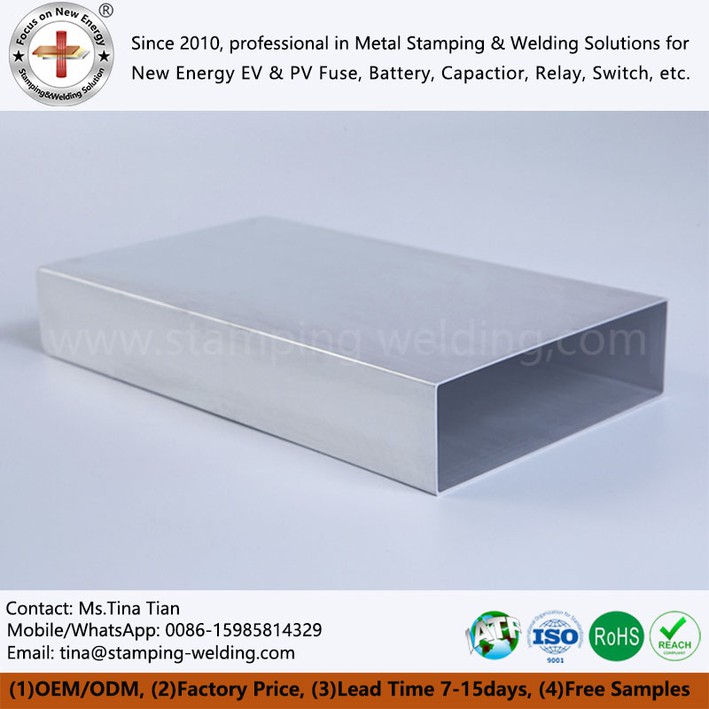
Material Advantages in Battery Enclosure Design
Lightweight Structural Advantage
Compared with traditional steel housings, the Automotive Battery Aluminum Case offers a significantly lower density while maintaining sufficient structural strength. This lightweight characteristic directly reduces the overall battery pack mass, helping manufacturers improve vehicle energy efficiency and extend driving range without compromising safety.
Corrosion Resistance and Formability
The Aluminum Case for New Energy Cars demonstrates excellent resistance to corrosion, making it suitable for long-term operation under humid, high-temperature, or chemically active environments. In addition, aluminum materials support advanced forming processes such as deep drawing and integrated molding, reducing weld joints and enhancing enclosure integrity.
Thermal Conductivity Performance
Effective heat dissipation is essential for battery safety, and the Lithium Battery Aluminum Case provides superior thermal conductivity compared to many alternative enclosure materials. This property enables faster heat transfer from battery cells to cooling systems, contributing to improved thermal stability during charging and discharging cycles.

Performance Impact on Battery Systems
Mechanical Protection Capability
In real-world operating conditions, battery packs must withstand vibration, impact, and potential collision forces. The Battery Aluminum Case delivers high rigidity and impact resistance, helping absorb and disperse external forces to protect internal cells from mechanical damage.
Thermal Management Support Role
By serving as an efficient heat transfer medium, the New Energy Aluminum Battery Case enhances the performance of integrated cooling structures. This allows the battery system to maintain a stable operating temperature, reducing thermal stress and extending overall battery lifespan.
Lightweight Contribution to Vehicle Design
Vehicle lightweighting remains a core development objective for electric mobility, and the Aluminum Battery Casing plays a decisive role in achieving this goal. Compared with steel enclosures, aluminum solutions can reduce enclosure weight by more than 30%, supporting higher energy efficiency at the system level.
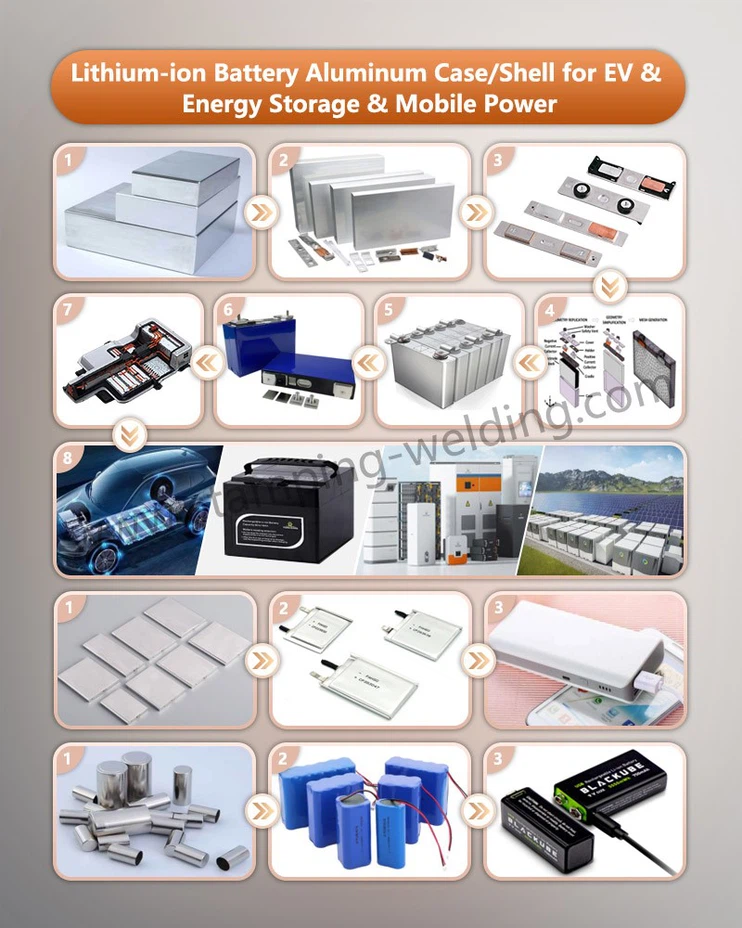
Manufacturing Challenges and Industry Trends
High-Precision Manufacturing Requirements
The production of an Battery Shell demands advanced manufacturing capabilities, including high-precision tooling, laser welding, and tight dimensional control. These technical requirements raise entry barriers and require continuous investment in equipment and process optimization.
Cost and Performance Balance
Although aluminum offers clear performance advantages, managing material and processing costs remains a challenge. Optimizing material utilization and structural design is essential to ensure that the Rechargeable Aluminum Shell delivers both economic and technical value for large-scale applications.
Sustainability and Recycling Potential
Environmental considerations are increasingly influencing enclosure design, and the EV Car Battery Shell aligns well with sustainability goals due to its high recyclability. The adoption of recycled aluminum materials is becoming a key trend to reduce carbon footprint while maintaining performance standards.

Conclusion
As one of the most widely adopted enclosure solutions in the new energy industry, the Aluminum Battery Case stands out for its lightweight properties, corrosion resistance, and thermal management advantages. Despite ongoing challenges in manufacturing complexity and cost control, continuous technological advancements and sustainability-driven innovation will ensure its long-term importance in future battery system design and development.
contact us