Analysis of brass stamping process and its application in industrial manufacturing
Apr 14, 2026
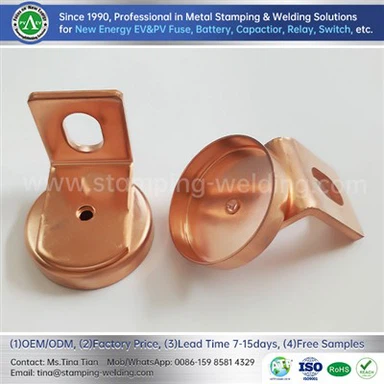
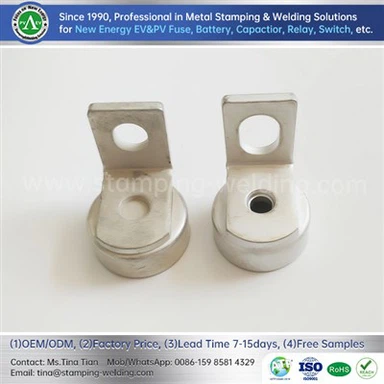
Brass, an alloy composed of copper and zinc, occupies an important position in industrial manufacturing due to its excellent machinability, strength and corrosion resistance. Its unique golden luster not only gives the product aesthetic value, but also becomes the preferred material for precision manufacturing due to its high temperature resistance and anti-oxidation properties. Brass Sheet Metal Stamping Parts are highly adaptable in a wide range of applications, from electronic components to architectural hardware. Through advanced stamping technology, brass sheets can be processed into Silver Plated Brass Terminal to meet the stringent requirements of durability and precision in modern industry.

Brass properties
Brass is a highly durable and versatile material whose unique combination of properties makes Brass Stamping Small Parts highly prized. The following are the main properties of brass:
Corrosion Resistance: Brass is resistant to rust and corrosion, especially in marine and industrial environments, making it ideal for outdoor or high-humidity applications. This feature allows Brass Sheet Metal Stamping Parts to maintain stable performance in harsh environments. Strength: Brass has excellent tensile strength, ensuring it can withstand stress and pressure without deforming. This strength advantage enables Brass Precision Stamping Parts to meet high-precision industrial demands. Malleability: Brass is relatively easy to form, allowing complex designs and shapes to be achieved, making it a popular choice for stamping.
Good ductility provides a broad processing space for Brass Custom Stamping Parts. Electrical Conductivity: Brass has good electrical and thermal conductivity, making Brass Precision Stamping Parts widely used in electrical and electronic components. This feature is an important foundation for Electrical Connector Socket Brass Stamping products. Aesthetic value: Brass has a unique golden color that gives it a beautiful appearance and can be used for decorative and ornamental purposes. Machinability: Brass is easy to machine, meaning it can be easily turned, drilled, and cut to produce precision parts. Ductility: It can be drawn into wires or sheets without breaking, enhancing its versatility in a variety of manufacturing processes. Low Friction: Brass has low-friction properties and is used in applications such as gears, bearings, and valves.

Stamping process
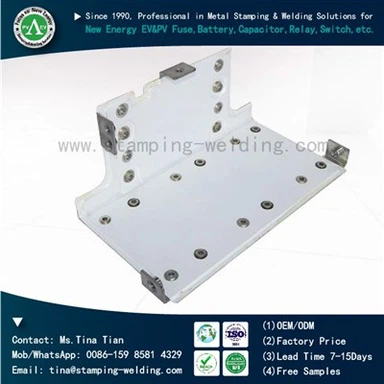
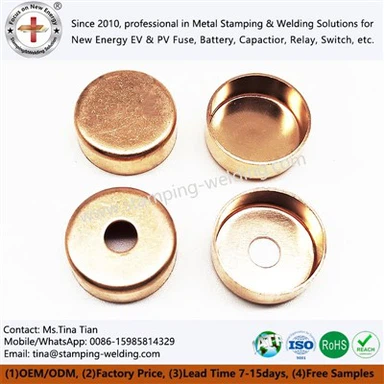
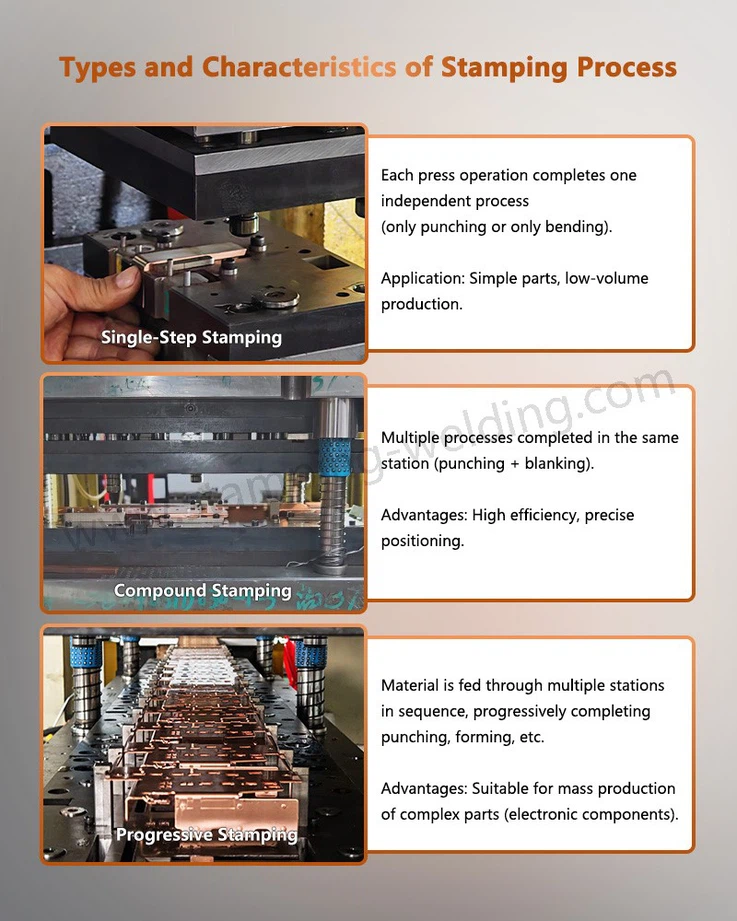
Brass Stamping Small Parts involves a variety of operations, such as: blanking - cutting a flat blank from a brass plate; bending - making the plate form angles or curves along a straight line for complex structures such as brackets and panels; forming - processing three-dimensional parts such as deep-drawn cups and trays; perforation - forming holes or grooves in the plate; stamping - using high pressure to create logos, text or fine patterns on the surface. These processes support the manufacturing of diverse products ranging from Electrical Contact Assemblies, Brass Stamped Parts to Stamping Riveting Electrical Brass Press Parts. At the application level, brass stamping parts are widely used in electrical connectors, terminals and switches, automotive fasteners and accessories, faucets, valves and pipe fittings, as well as brass instruments such as trumpets and saxophones. In addition, brass is also commonly used in the production of ornaments, jewelry, coins and medals, taking into account both beauty and durability. Related products such as Brass Sheet Metal Stamping Parts, Electrical Metal Brass Stamping Parts, etc., all reflect the wide adaptability of this process.
Precision brass stamping application areas
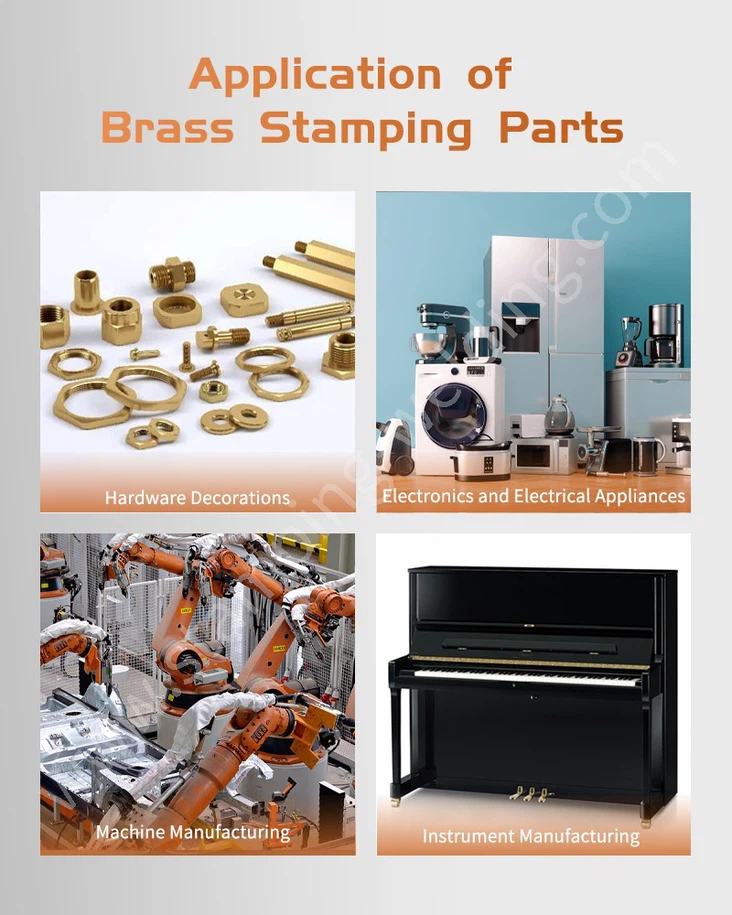
Electrical components: Brass is commonly used in connectors, terminals and switches due to its excellent conductivity and corrosion resistance. Plug Socket Brass Stamping products are widely used in various electrical connection scenarios. Automotive Parts: Brass stampings are used to manufacture various components in automotive applications such as connectors, fasteners and accessories. Plumbing Fixtures: Brass is a popular choice for faucets, valves and pipe fittings because of its resistance to corrosion, especially in water environments. Instrument Making: Brass is widely used to make instruments such as trumpets, saxophones, and trombones due to its malleability and ability to produce a rich, resonant sound. Decorative items: The golden color of brass makes Plug Socket Brass Stamping ideal for decorative items such as jewelry, hardware, and home décor. Commemorative coin medals: Brass is often used to mint coins and medals, which are both beautiful and durable.
contact us
Our company focuses on the customization and production of high-quality Silver Plated Brass Terminal, and can provide full-process solutions from design support to mass manufacturing according to your specific needs. If you have any related product needs, please feel free to contact us for detailed information.