Analysis of Lithium-ion batteries Manufacturing Process
May 17, 2026
With the rapid rise of the new energy industry, Lithium-ion batteries, as core energy storage components, are widely used in new energy vehicles, photovoltaic energy storage, consumer electronics, and other fields. The complexity and precision of their manufacturing process directly determine product performance, safety, and lifespan. Currently, the industry's quality requirements for lithium batteries are continuously increasing, driving the formation of a standardized system for lithium-ion battery production that covers the three core stages of electrode manufacturing, cell fabrication, and formation packaging. More than 50 core processes are rigorously controlled at each stage, contributing to the industry's high-quality upgrade.
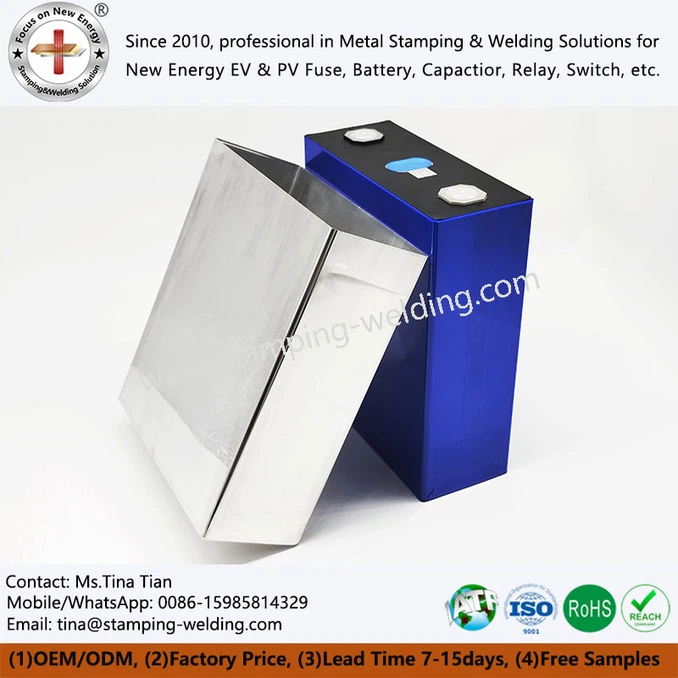
front-end process
Electrode manufacturing, as a fundamental front-end process in lithium-ion battery production, aims to transform raw materials into qualified electrode sheets coated with active materials. This is a crucial prerequisite for ensuring the performance of power battery cells. The core steps of this process are material preparation and coating. First, the positive and negative electrode active materials, binders, conductive agents, and solvents are mixed and stirred into a uniform slurry using a vacuum mixer. Then, the slurry is evenly coated onto metal current collectors-aluminum foil for the positive electrode and copper foil for the negative electrode. After coating, the electrode sheets are rolled and compacted to improve battery energy density and ensure a tight bond between the coating and the current collector. Finally, a slitting process cuts the long strips of electrode sheets into narrower sheets suitable for different battery models, preparing them for subsequent cell manufacturing.
intermediate process
Cell assembly is a core process in the middle of the production flow, mainly involving assembling electrode sheets into unactivated bare cells. This stage has extremely high requirements for the humidity and cleanliness of the production environment, directly affecting the stability and safety of the cells. At the beginning of the process, the electrode sheets need to be fabricated and baked. After punching the tabs or slitting, residual moisture in the electrode sheets is thoroughly removed in a high-temperature vacuum environment to prevent moisture from affecting battery performance. Then comes the critical winding or stacking stage, where the positive electrode sheet, separator, and negative electrode sheet are assembled in a specific order. Cylindrical and prismatic batteries mostly use a winding process, while pouch batteries primarily use a stacking process. After assembly, the bare cells are placed in an aluminum, steel, or aluminum-plastic film casing, and the tabs are connected to the cover plate and top/side seal using laser welding to ensure the cell's airtightness.

Subsequent processes
Formation and packaging, as key downstream processes, primarily involve activating, testing, and packaging the battery cells to ultimately produce qualified finished batteries. This stage directly determines the battery's yield rate and reliability. First, the battery cells undergo a second high-temperature baking process to remove any remaining internal moisture, followed by a precise injection of electrolyte. After injection, the injection port is welded and sealed, and any residual electrolyte on the battery surface is cleaned to prevent corrosion. The subsequent formation and aging stages are particularly crucial. An initial constant-current, constant-voltage charge activates the cells, promoting the formation of a dense solid electrolyte interphase (SEI) film on the electrode surface. Cells undergoing aging at room temperature or high temperature are then screened to identify those with unstable performance. Following this, capacity testing and inspection involve multiple charge-discharge cycles to test and calculate the actual capacity. Simultaneously, key parameters such as voltage and internal resistance are fully inspected. After passing these tests, labels are affixed, protection boards are installed, or modular assembly (PACK) is performed. Finally, qualified products are warehoused and shipped.
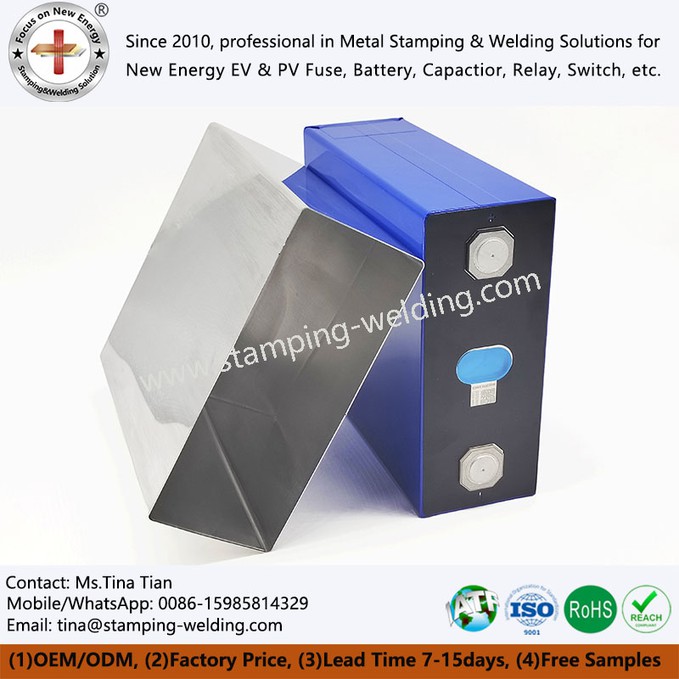
Industry Trends
Currently, the lithium-ion battery industry is developing towards higher energy density, longer cycle life, and higher safety, with an increasingly diverse product range covering various types such as Lifep4 Power Cells and Lithium-ion Battery Packs. It also caters to specific application scenarios such as Lithium-ion batteries for Solar Products and Solar Energy Storage Systems Lithium Batteries Packs. With the rise of the photovoltaic energy storage industry, market demand for Lithium Solar Batteries and Lithium Ion Batteries for Solar Energy Systems continues to climb, driving continuous optimization of production processes. In the future, with continuous technological innovation, lithium-ion battery production will achieve further refined and intelligent management, balancing capacity and quality, providing core support for the sustainable development of the new energy industry.
Contact Us
If you have any needs for Lithium-ion batteries and related battery products, or would like to inquire about manufacturing process details, please feel free to contact us for a customized solution.