Battery Bus Bar vs. Traditional Cables: Selection Analysis in Battery Pack Design
Apr 30, 2026
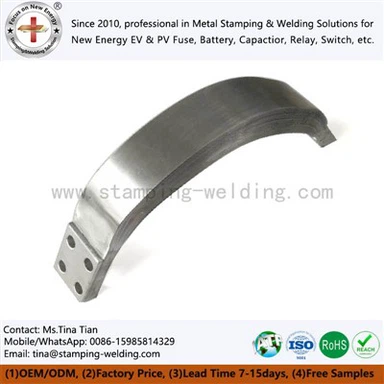
In the world of battery pack design and electrical engineering, how battery cells are connected to each other is a key decision, and the core comparison often centers on BusBar for Siemens versus traditional cables. This choice directly affects the performance of the battery pack in terms of power output, thermal stability and economy. With the increase in high-power application scenarios, Distribution BusBars are gradually replacing traditional cables due to their excellent current-carrying capacity and long-term reliability. However, both options have their own applicable boundaries and need to be weighed based on specific project needs.
System composition and technical principles
A standard energy storage cabinet system is a highly integrated complex whose core components include battery modules, battery management systems (BMS), bidirectional converters (PCS) and energy management systems (EMS). Among them, the battery module is the carrier of energy and determines the capacity and life of the system; the BMS is responsible for monitoring the status of the battery cells, preventing overcharge and overdischarge, and ensuring safe operation; the converter is responsible for the important task of AC to DC conversion, achieving seamless switching between DC and AC. In addition, in order to ensure the stable operation of the equipment in complex environments, the system is usually equipped with a sophisticated temperature control system (such as air cooling or liquid cooling) and a high-strength protective shell, which together form a complete energy storage system cabinet structure.
Why choose battery pack busbar?
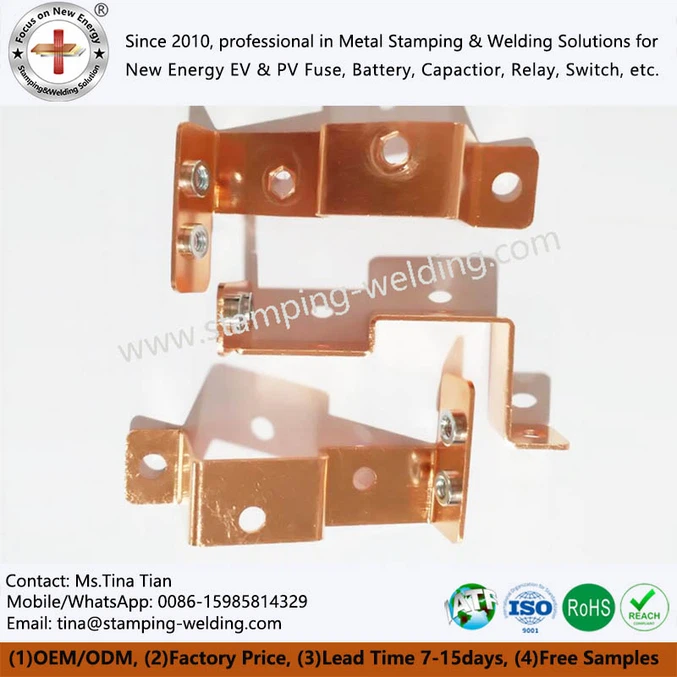
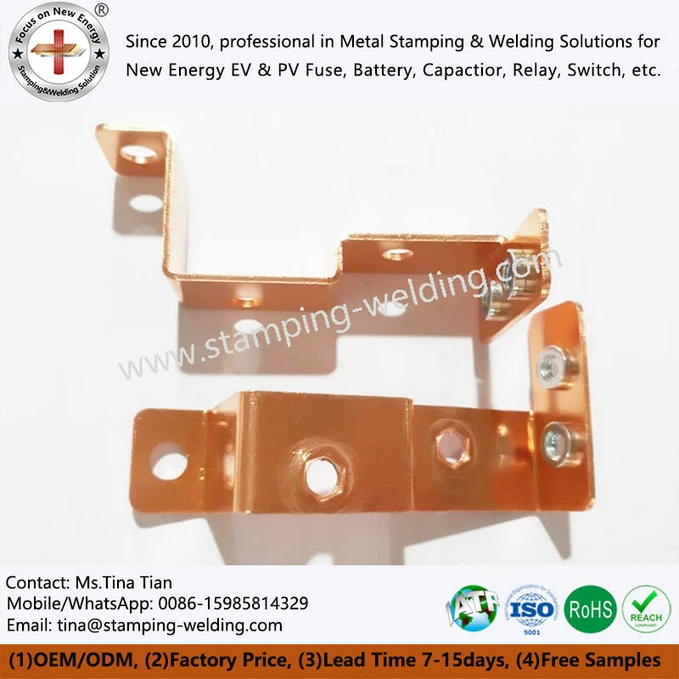
Handle higher currents: Due to the busbars' larger surface area and optimized shape, they can carry higher currents without overheating. This is critical for high-discharge scenarios such as fast charging of electric vehicles or electric trucks. Reduced power loss: Lower resistance means less power is wasted in the form of heat, improving battery efficiency and extending range. Enhanced thermal management: The busbars naturally act as heat sinks, helping to manage temperature distribution within the battery pack. This reduces the risk of thermal runaway, a major problem with lithium-ion batteries.
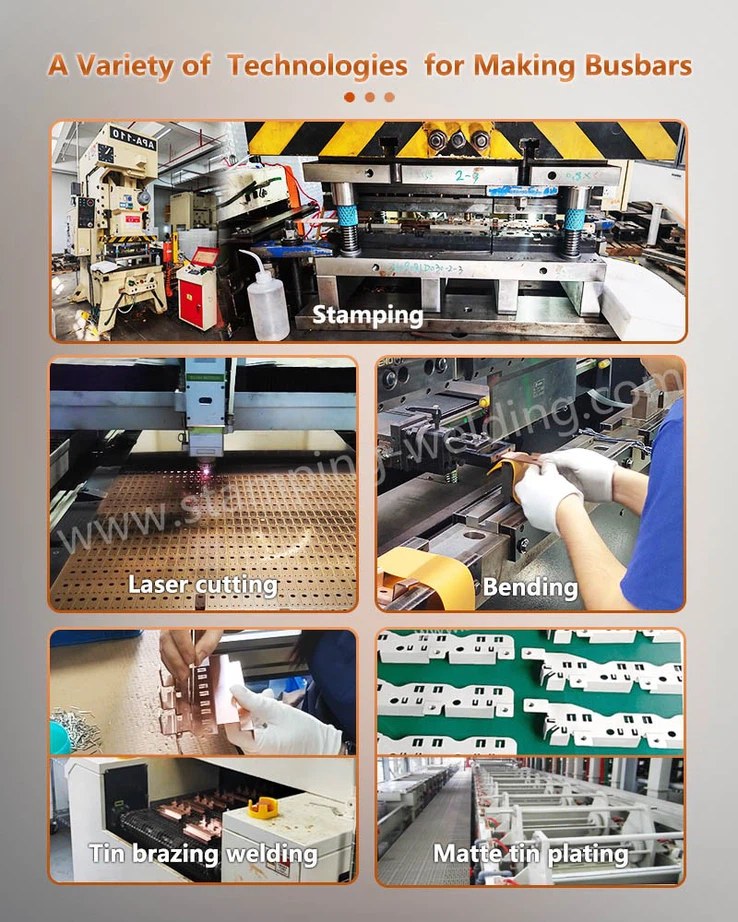
Supports automated manufacturing: The busbars are compatible with laser welding and other automated processes, reducing manual labor and improving production consistency, which is especially important for mass production of electric vehicle batteries. Cleaner, safer design: Bus bars are designed to be cleaner and safer due to fewer wires and connectors. Compared to multiple cable splices, busbars reduce the chance of worn insulation, tangled wires, or failed connections, thereby reducing the risk of short circuits.
Key performance comparisons
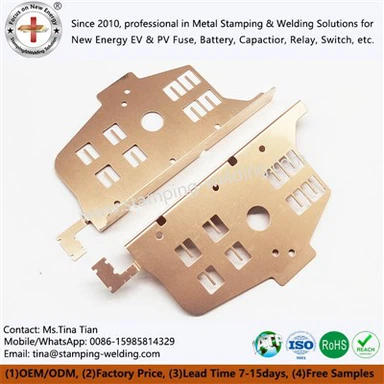
From an engineering perspective, the differences between the two solutions are reflected in multiple dimensions: in terms of current-carrying capacity, the bus bars have an advantage due to their larger cross-sections; in terms of space utilization, the bus bar layout is more regular and compact, while the cable bundle appears bloated in large-capacity systems; in terms of thermal management, the surface of the bus bars can double as a heat dissipation path, and the cables require additional care. Note the temperature rise; in terms of assembly efficiency, bus bars are more suitable for automated processes such as laser welding, while cables mostly rely on manual operation and are less consistent. In the initial investment, the cost of bus bar materials and molds is higher, and the cable threshold is lower; but in terms of long-term reliability, bus bars are often better because of fewer connection points and low risk of insulation wear. The use of copper busbars has classic advantages in electrical conductivity and mechanical strength, but the selection requires a comprehensive balance between weight and cost.
contact us
Our company has long been focused on the R&D and manufacturing of high-reliability battery bus bar components. We can provide customized copper busbars, aluminum busbars and composite busbar solutions, supporting one-stop services from sample trial production to automated mass production.