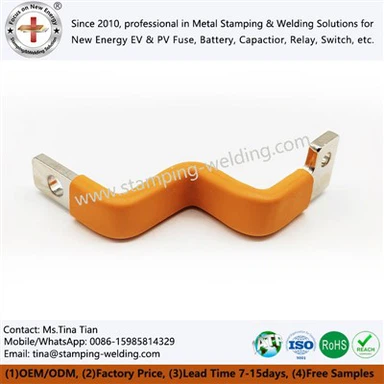
Analysis of the necessity of using Busbar heat shrink insulated tubes in power distribution systems
Apr 30, 2026
Industry background of insulation protection for distribution busbars
In the entire distribution system architecture, the Busbar heat shrink insulated tube is the core conductive carrier that undertakes high current transmission between distribution cabinets, transformers, and high and low voltage electrical cabinets. It plays a role in connecting the main switch and various branch circuits, and its operating status directly determines the overall stability of the distribution system. For a long time, in traditional power distribution scenarios, busbars have often been exposed and unprotected, which not only makes them susceptible to external environmental interference and safety accidents, but also leads to problems such as inadequate insulation spacing and prominent operational hazards.
The widespread application of Heat shrink tube polyolefin busbars fundamentally fills the gap in bare busbar protection, providing systematic insulation protection for core power points such as switchgear, substations, and electrical cabinets, and becoming an important supporting solution for improving the safety level of distribution systems.
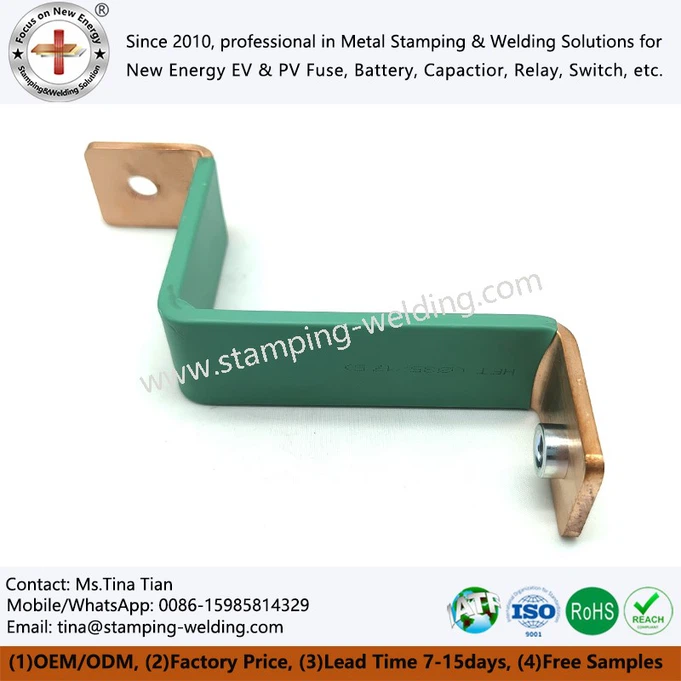
Core Performance Characteristics
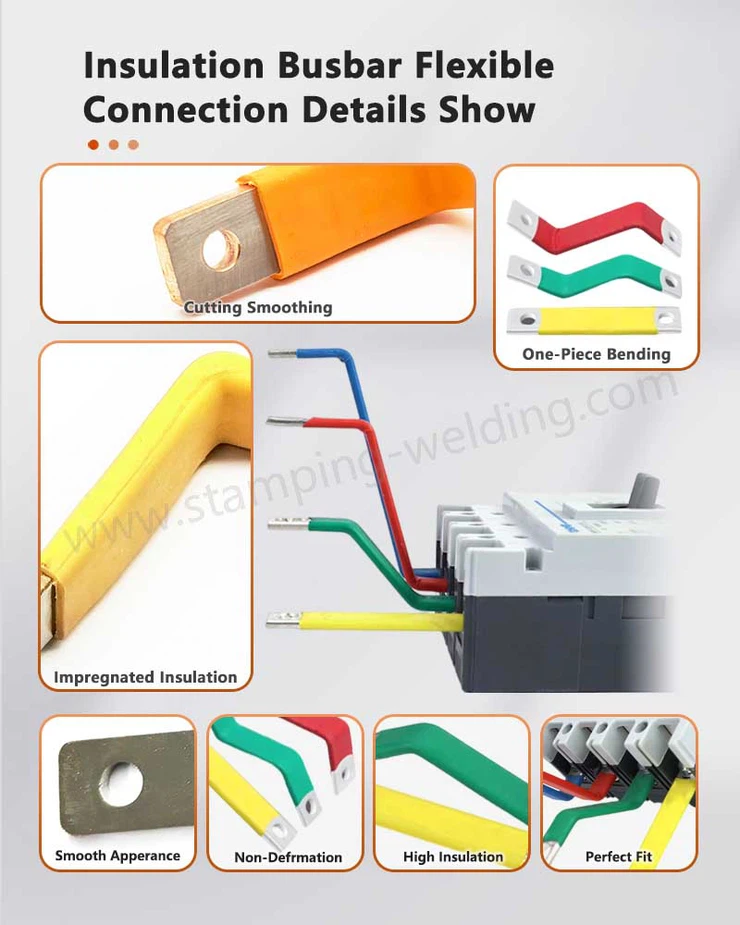
Busbar heat shrink insulated tube, with its excellent material formula and mature production process, is suitable for complex working conditions in power distribution scenarios and has outstanding comprehensive protection performance. The product combines flexibility and structural strength, and can be bent and shaped according to the layout of the busbar. During the bending process, the insulation layer is not easily cracked or peeled off. After shrinkage, it can tightly adhere to the surface of the busbar without gaps, and can resist slight external impacts for a long time.
The material has good resistance to electric carbon marks, and even under harsh working conditions such as humidity and high dust, it can suppress the formation of carbonization marks on the insulation surface, avoiding risks such as leakage, arc breakdown, short circuit and fire from the source. Relying on advanced extrusion and cross-linking processes, the thickness of the pipe wall is uniform and regular, eliminating the problem of local insulation failure caused by thin defects; At the same time, the construction and installation of the Heat shrink tubing busbar are convenient, and the wrapping shrinkage can be completed with the help of conventional heating equipment. Compared with traditional insulation methods, the power outage time is shorter, the construction cost is lower, and the long-term operation performance is stable and reliable.
Practical application value in power distribution
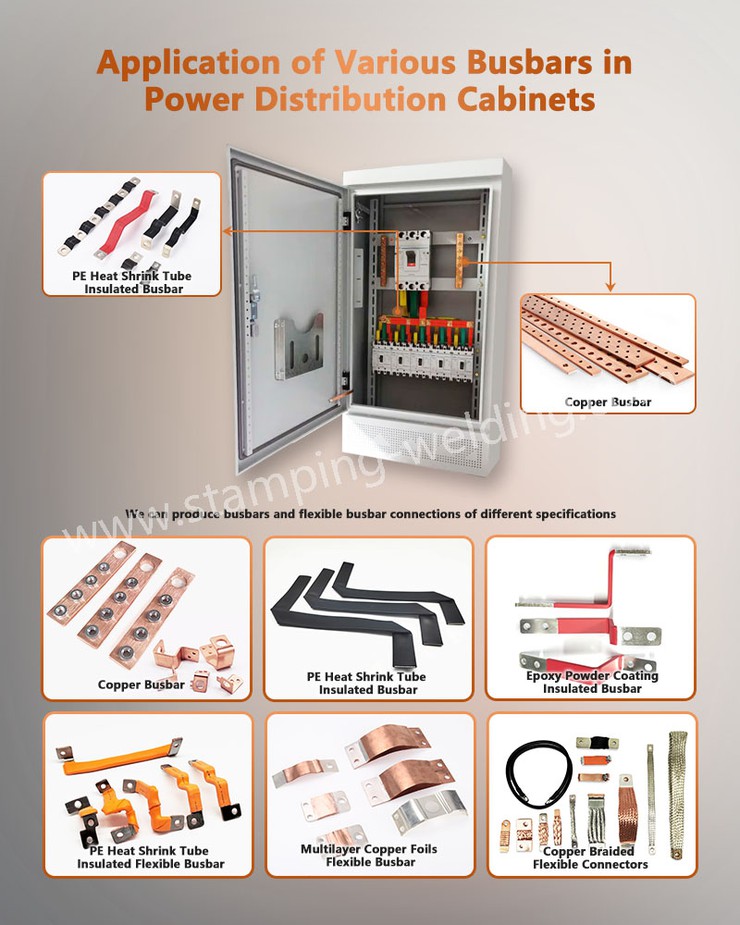
PVC insulation busbars can comprehensively solve various safety and technical problems in distribution scenarios in practical operation and engineering applications. Firstly, it can effectively block phase to phase short circuits caused by the overlapping of mice, insects, and metal conductive foreign objects, avoiding sudden power outages and equipment damage;
Secondly, it can isolate corrosive media such as acid, alkali, and salt spray, adapt to high humidity salt spray environments in chemical parks and coastal areas, and prevent Busbar sleeves insulation from being corroded and oxidized, thereby reducing its conductivity and structural strength; Thirdly, achieve full insulation coating of live conductors to avoid the risk of electric shock caused by operation and maintenance personnel accidentally touching bare busbars, greatly improving the safety of on-site operations.
At the same time, insulating sleeves can reduce the adhesion of dust and haze pollutants, significantly improving the anti pollution flashover ability of Busbar insulating tubing; In low-temperature rain and snow environments, it can block the accumulation of ice and snow to form conductive pathways and prevent cross phase discharge accidents. Paired with a heat shrink creepage extension structure, it can also compensate for the shortcomings of traditional insulator creepage distance and reduce line tripping caused by pollution flashover and condensation flashover; It can also solve the pain points of compact internal space and insufficient insulation spacing between phases in the bus duct, ensuring the long-term stable operation of the bus duct.
Summary of Industry Development Trends and Applications
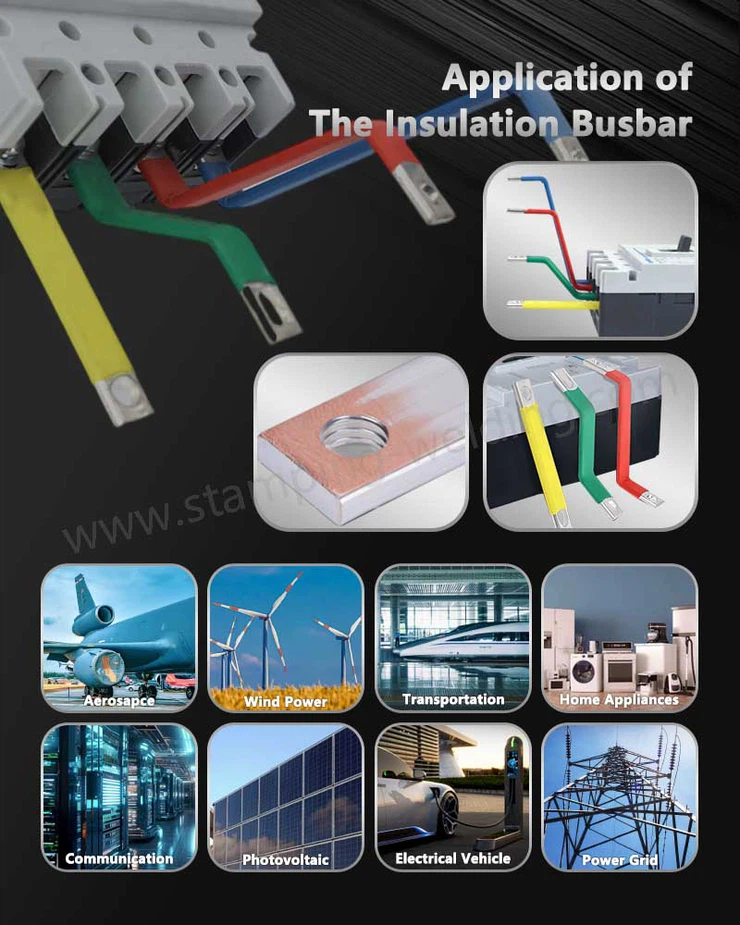
Busbar insulation sheet takes insulation protection as its core, balancing adaptability, weather resistance, and construction convenience. It systematically solves multiple industry pain points such as traditional bare busbar short circuit, corrosion, electric shock, pollution flashover, and insufficient creepage. It is suitable for various engineering scenarios such as conventional power distribution, chemical industry, coastal areas, and rail transit, and has high practical value and promotion significance.
As the power industry continues to upgrade towards high voltage, intelligence, and integration, EV battery connector insulation technology will also continue to iterate and optimize, continuously breaking through in environmental protection formulas, temperature and voltage resistance accuracy, and full field adaptability, providing stable and reliable insulation solutions for the safe operation and cost reduction of distribution systems.
contact us
If you need to know the specification selection and working condition adaptation plan of the Busbar heat shrink insulated tube, please feel free to consult and communicate at any time. We can provide professional technical selection guidance and customized supporting services to assist in the safe implementation of various power distribution projects.