Braided Wire Copper BusBar long-term operation fracture triggers and optimization solutions
Jun 14, 2026
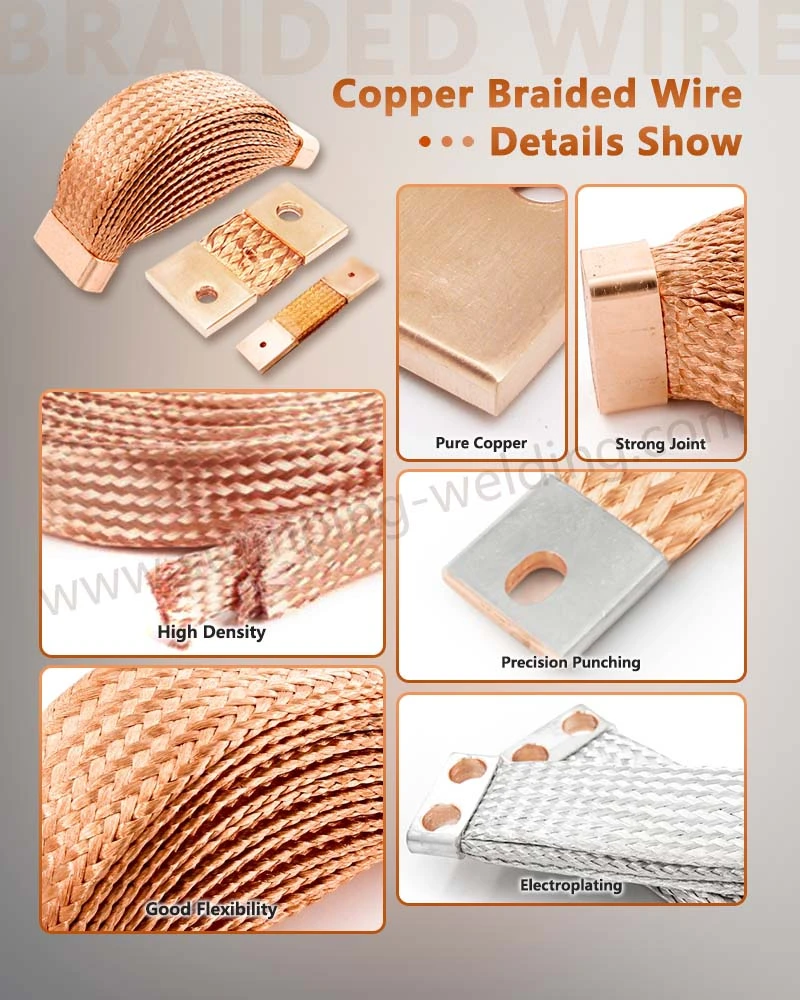
In various power applications such as low- and medium-voltage electrical systems, lithium battery connections, and equipment grounding, various copper flexible conductive connectors are widely used due to their excellent deformation adaptability and conductivity. Among them, Braided Wire Copper Bus Bar, Copper Braided Flexible, and Flexible Braided Copper Busbar are core components that ensure stable conduction of electrical equipment and buffer equipment displacement vibration. Under long-term operating conditions, fracture failure of Braided Wire Copper BusBar has become a common quality problem in the operation and maintenance of electrical equipment. Industry technical analysis indicates that this type of failure is not caused by a single factor, but rather by the combined effects of mechanical fatigue, stress concentration, electrothermal aging, and manufacturing defects, directly impacting the stability of power supply and operational safety of the equipment.

Mechanical fatigue causes
From the perspective of core failure causes, mechanical vibration and metal fatigue are the primary reasons for fracture. The high-frequency vibrations generated by the continuous operation of industrial equipment and the frequent displacements during equipment start-up and shutdown cause the flexible conductive structure composed of Flat Copper Braided Wire and Braided Copper Wire to repeatedly bend and deform. The copper wires are under constant reciprocating stress, gradually leading to metal fatigue and ultimately wire breakage and overall damage. Secondly, stress concentration caused by improper installation and construction is particularly prominent. In some projects, when assembling the flex bus bar composed of Soft Copper Wires and Soft Copper Tinned Wires, insufficient deformation space was not provided, resulting in excessive stretching and forced twisting. Simultaneously, the assembly tolerances were not properly absorbed, causing localized areas of the busbar to bear abnormal mechanical stress for extended periods, accelerating structural damage.
Electrothermal process defects
Electrothermal aging and material embrittlement are key contributing factors to accelerated fracture. Prolonged operation under high-current loads causes Flexible Insulated Copper Busbars to continuously heat up. This high-temperature environment not only accelerates oxidation of the copper wire surface but also alters the internal crystal structure of the copper, causing the conductor to gradually lose its toughness and become embrittled. Especially under harsh conditions of high temperature, dust, and humidity, the use of Copper Stranded Flexible Busbars with Braided Copper Bus Bar Heat Shink PVC Sleeves further accelerates the aging of insulation and the conductor itself, significantly shortening the equipment's lifespan. In addition, defects in end crimping and welding processes cannot be ignored. Overly tight end crimping during assembly can damage the internal copper wires. Furthermore, abrupt changes in stiffness in the transition zone between flexible and rigid connections can create permanent stress concentrations at the interface, becoming a high-risk point for failure.
Installation optimization solution
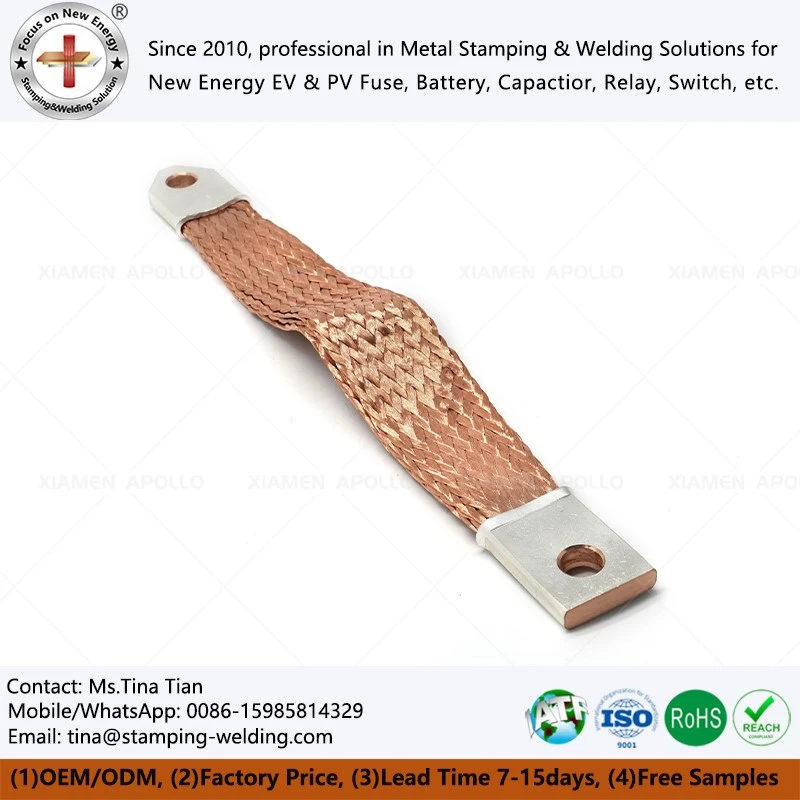
To address the aforementioned common industry issues, the electrical operation and maintenance and production sectors have developed a mature set of prevention and optimization solutions to comprehensively improve the operational stability of various flexible conductive components such as Low-to-medium Voltage Flexible Connectors and Lithium-ion Batteries Connectors. At the installation optimization level, the construction process requires scientifically planning the installation path, reserving sufficient length margin for the flexible busbars formed by Copper Stranded Wire and Twisted Copper Wire braids, ensuring that the equipment naturally transitions in an arc or Ω shape, completely avoiding improper operations such as forced pulling or twisting during installation, and eliminating installation stress from the source.
Long-term operation and maintenance guarantee
Long-term operation and maintenance is an important guarantee to avoid breakage failures. Industry operation and maintenance personnel need to establish a routine inspection mechanism, regularly check the operating temperature of Braided Wire Copper BusBar using infrared temperature measurement equipment, and promptly identify potential problems such as local overheating, oxidation and blackening, and broken wires. Aged or severely damaged Flexible Connectors should be replaced in a timely manner. Through multiple measures such as process optimization, standardized installation, and regular operation and maintenance, the problem of long-term operation and breakage of braided flexible busbars can be completely solved, ensuring the safe, stable, and long-term operation of electrical systems.
Contact Us
If you encounter maintenance problems such as broken, aging, or overheating of Braided Wire Copper Busbars, or need customized flexible copper busbar products with high stability and fatigue resistance, please feel free to contact us. We will use our mature process experience and professional technical solutions to accurately solve potential equipment operation problems for you.