Comprehensive Analysis of Conductivity Optimization Solutions for Brass Sheet Metal Stamping Parts
Jun 14, 2026
Industry Pain Points Overview
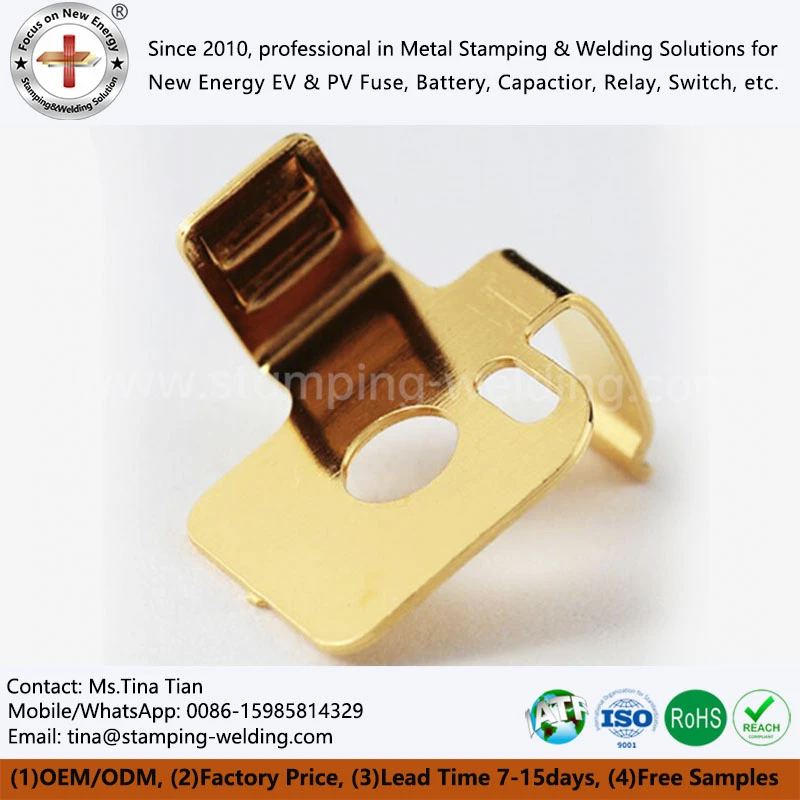
In the fields of electrical components, switches, sockets, relays, and other end-user applications, Brass Sheet Metal Stamping Parts are widely used due to their excellent formability and mechanical strength. However, poor conductivity has always been a core issue restricting their application in high-end scenarios. Through long-term process iteration and testing, industry technical teams have summarized a systematic optimization solution. From four dimensions-surface treatment, structural process, material selection, and environmental protection-this solution effectively improves the conductivity shortcomings of Electrical Brass Metal Stamped for Socket Switch products, enhancing the stability and compatibility of various electrical brass stamping parts.
Surface process optimization
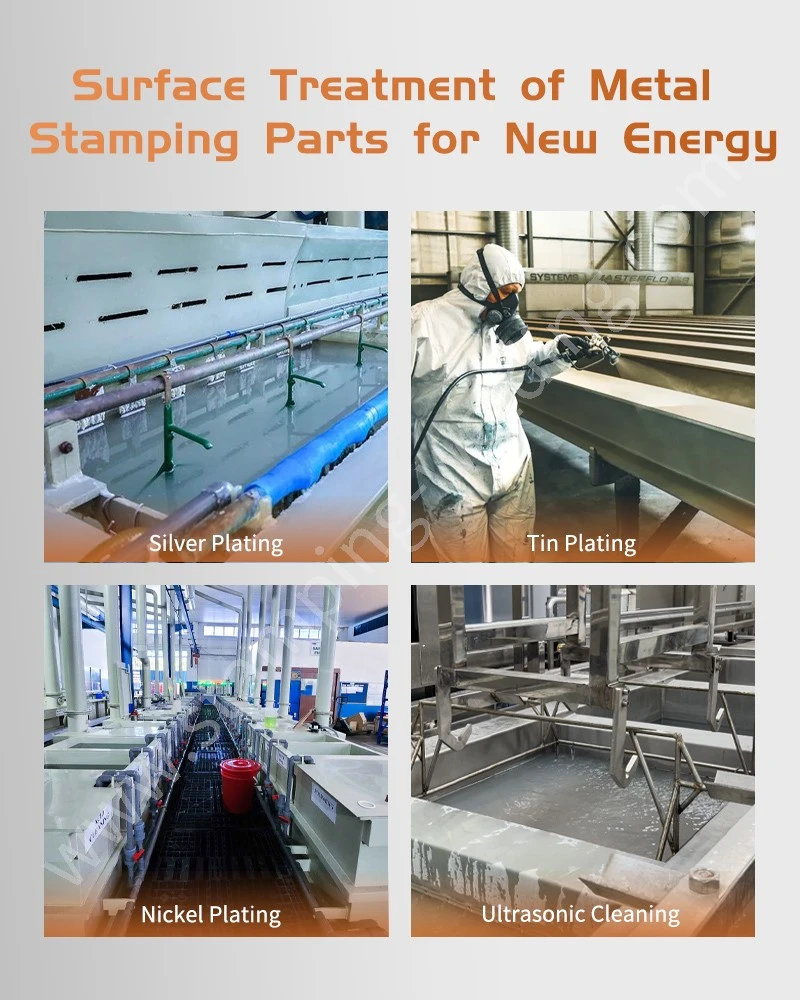
Surface treatment is the preferred core method for optimizing the conductivity of brass stamping parts and a key process for improving the performance of precision connectors such as Silver Plated Brass Terminals and Relay Pin Brass Terminals. Among mainstream processes, silver plating, due to the excellent conductivity of the metal itself, can significantly reduce the contact resistance of the product, making it the mainstream optimization method for electrical connectors under high-frequency and high-current conditions. Gold plating is suitable for ultra-high precision terminal products, relying on its extreme anti-oxidation performance to ensure long-term stable contact resistance. Silver plating, in addition to silver and gold plating, has the advantage of high cost-effectiveness and can effectively prevent substrate oxidation at room temperature. It is widely used in the mass production of conventional Electrical Brass Switch Socket Parts, balancing the conductivity of the product with production costs.
Structural and technological improvements
Optimization of structural contact design and stamping processes can solve problems such as poor contact and unstable conductivity at the production end. For conductive components such as Brass Sheet Metal Parts Terminals, the technology can optimize the mold structure to increase the contact positive pressure, effectively break through the oxide film on the product surface, and reduce contact resistance. At the same time, innovative multi-point contact structural designs can transform traditional planar contact surfaces into raised dots, mesh, or multi-pin shapes, significantly expanding the effective conductive area. In addition, burrs and internal stress generated during stamped can easily cause problems such as current concentration and contact failure. By removing burrs and eliminating stress through processes such as precision mold adjustment and vibratory grinding, the conductivity consistency and reliability of Electrical Contact Stamping Brass Parts Custom products can be significantly improved.

Material upgrade and optimization
Material upgrades and modifications are key measures to fundamentally improve the conductivity of brass stamping parts. Conventional brass, as a copper-zinc alloy, has a conductivity of only 20% to 50% of pure copper, making it insufficient for high-conductivity applications. For products where conductivity is a core performance indicator, the industry often replaces them with high-purity copper materials such as T2 and C11000 to accommodate high-end custom parts like the Customized Brass Stamped Contact Parts for Wall Socket Plug. If a product requires both high strength and high conductivity, composite copper alloys such as chromium copper, beryllium copper, and tellurium copper become preferred materials, balancing mechanical properties with conductivity advantages. Simultaneously, stress-relief annealing is performed on the formed Electrical Brass Press Parts for Switch Socket to repair the lattice structure deformed during stamping, slightly improving conductivity and optimizing subsequent assembly compatibility.

Environmental protection and control
Environmental protection and post-construction maintenance are crucial for ensuring the long-term stability of the conductivity of brass stamping parts. Brass is highly susceptible to oxidation, corrosion, and passivation in humid environments containing sulfides, leading to a significant decrease in conductivity and directly impacting the performance of critical electrical components such as Brass Contact Plug Pins for Electric Switch Socket Parts and Brass Contacts Crimp Terminal Block Assemblies for Socket Switches. In the industry's production, processing, warehousing, and logistics processes, moisture-proof packaging and vapor phase corrosion inhibitors are commonly used to isolate corrosive media, prevent surface passivation failure, and ensure the long-term stability of the conductivity of all categories of Brass Metal Parts Electrical Accessories Components and Sheet Metal Brass Stamping electrical components.
Industry Development Outlook
At present, the optimization of the conductivity of Brass Sheet Metal Stamping Parts has formed a standardized and systematic technical system. Through multi-dimensional upgrades in processes, materials, and protection, the conductivity shortcomings of traditional brass stamped products have been effectively made up for, further expanding the application scenarios of electrical brass stamped parts in the fields of switches, sockets, relays, and power connections, and providing solid technical support for the high-quality development of the electrical parts industry.
Contact Us
To address the challenge of poor conductivity in various Brass Sheet Metal Stamping Parts, we offer customized process optimization and precision stamping solutions. For product upgrades and customization needs, please feel free to contact us.